Some destinations impress you.
Others entertain you.
A few completely change the way you see the world.
Naoshima belongs to the last category.
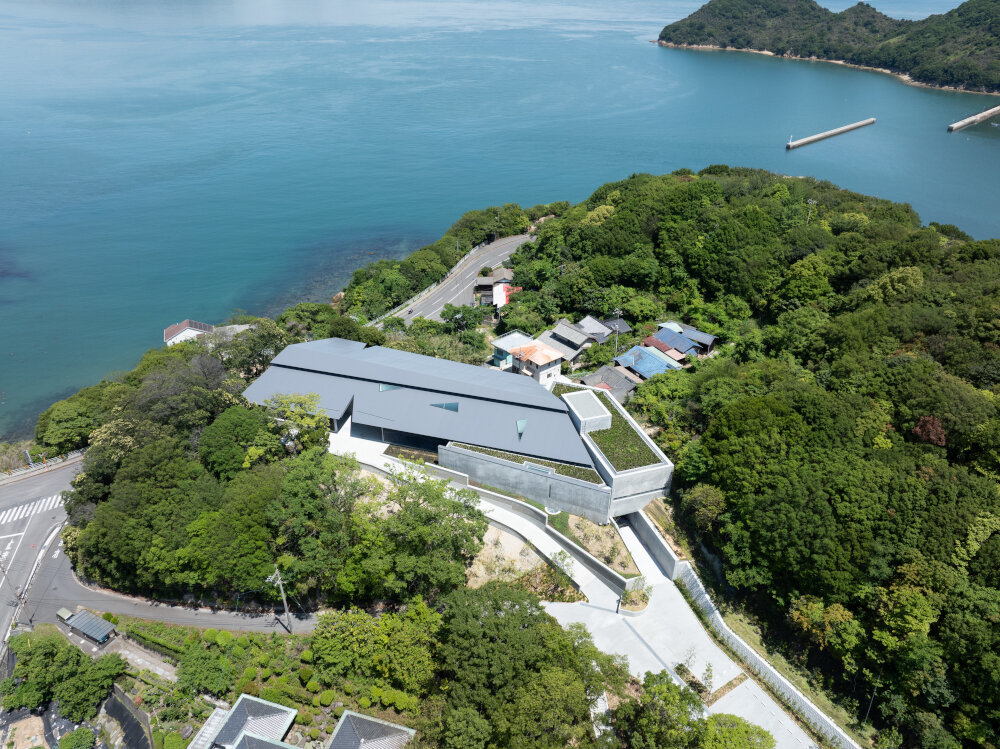
Hidden within Japan’s Seto Inland Sea, far from Tokyo’s neon intensity and Kyoto’s crowded temples, lies an island where giant pumpkins sit beside the ocean, concrete museums disappear into hillsides, and silence feels as valuable as gold.
At first glance, Naoshima seems almost too small to matter.
The island has fewer than 4,000 residents.
There are no towering skyscrapers.
No famous shopping districts.
No theme parks.
Yet travelers from America, Europe, Australia, and across Asia are increasingly adding this tiny island to their bucket lists.
Why?
Because Naoshima offers something many modern destinations have lost:
The ability to slow down and truly feel a place.
Arriving on an Island Unlike Anywhere Else
The journey itself feels like an introduction to another world.
As the ferry glides across the calm waters of the Seto Inland Sea, Japan begins to look different.
The frantic pace softens.
Mountains rise from distant islands.
Fishing boats drift across the horizon.
The air smells cleaner.
The light feels gentler.
Then Naoshima appears.
There is no dramatic skyline.
No grand entrance.
Just a peaceful island surrounded by shimmering blue water.
The simplicity is intentional.
Naoshima doesn't try to impress visitors immediately.
It reveals itself slowly.
And that's precisely what makes it unforgettable.
The Giant Pumpkin Everyone Travels Across the World to See
Few works of art are as recognizable as Yayoi Kusama's famous yellow pumpkin.
Perched on a pier overlooking the sea, covered in black polka dots, it has become one of Japan's most iconic cultural symbols.
Yet photographs don't prepare you for the experience.
Standing beside it, with endless ocean stretching behind, feels strangely emotional.
The sculpture seems playful and profound at the same time.
Children smile.
Photographers wait patiently.
Artists sit quietly sketching.
And for a moment, everyone becomes part of the artwork itself.
Sunrise and sunset are particularly magical.
As the sky changes color, the pumpkin transforms from a sculpture into something almost mythical.
Museums That Feel Like Sacred Spaces
Most museums ask visitors to look at art.
Naoshima's museums ask visitors to experience it.
The island's architecture is as important as the collections inside.
Concrete walls emerge from hillsides.
Sunlight filters through carefully designed openings.
Water, stone, wind, and silence become part of the exhibition.
Instead of rushing through galleries, visitors slow down.
They listen.
They observe.
They reflect.
In some rooms, conversations naturally fade into whispers.
The atmosphere feels closer to meditation than tourism.
Many travelers arrive expecting art.
They leave remembering how the island made them feel.
The Hidden Villages Most Visitors Overlook
While the museums attract international attention, Naoshima's villages reveal the island's soul.
Narrow lanes wind between traditional Japanese homes.
Cats nap beneath flower pots.
Bicycles lean against wooden walls.
Laundry flutters gently in the sea breeze.
Life moves at a human pace.
One of the most rewarding experiences is simply walking without a destination.
Turn down an unfamiliar alley.
Follow a stone path.
Pause beside a tiny harbor.
The island rewards curiosity.
Some of its most memorable moments are completely unplanned.
An Open-Air Gallery Under the Sky
On Naoshima, art is not confined to buildings.
It appears everywhere.
A mysterious sculpture overlooking the sea.
A transformed house hiding an unexpected installation.
A quiet corner where architecture and nature become inseparable.
Even travelers who normally have little interest in art often find themselves captivated.
The island removes the barriers that sometimes make contemporary art feel intimidating.
Here, creativity feels approachable.
Natural.
Alive.
You don't need an art degree to appreciate Naoshima.
You only need an open mind.
A Food Scene Built Around Simplicity
Naoshima is not a culinary capital.
And that's exactly why the food feels so authentic.
Meals focus on freshness, seasonality, and local ingredients.
Seafood arrives directly from nearby waters.
Vegetables come from surrounding farms.
Recipes often highlight ingredients rather than overwhelm them.
A simple lunch overlooking the sea can become one of the most memorable meals of a trip.
Fresh sashimi.
Grilled fish.
Handmade noodles.
Local citrus fruits.
Everything feels connected to the landscape.
The food reflects the island itself:
Elegant without trying too hard.
The Character of the People
One of Naoshima's greatest strengths is its residents.
Despite growing international recognition, the island remains deeply local.
Visitors often describe encounters that feel refreshingly genuine.
A shop owner offering directions.
A fisherman sharing stories about the sea.
An elderly resident explaining the history of a neighborhood.
The people here are not performing for tourists.
They are simply living their lives.
That authenticity creates a sense of connection many travelers crave but rarely find.
Hidden Gems Beyond the Famous Attractions
Most visitors focus on the island's celebrated museums.
But some of Naoshima's most rewarding experiences happen elsewhere.
Rent a bicycle and explore the coastal roads.
Watch the sunset from a quiet beach with almost nobody around.
Visit tiny fishing harbors where daily life unfolds unchanged.
Sit beside the sea and do absolutely nothing.
In many destinations, doing nothing feels like wasted time.
On Naoshima, it feels like the entire point.
When to Visit
Spring and autumn are widely considered the most beautiful seasons.
Cherry blossoms add softness to the landscape in spring.
Autumn brings comfortable temperatures and golden colors.
Summer offers vibrant blue skies and sparkling seas, though temperatures can be quite warm.
Winter is quieter and more contemplative, ideal for travelers seeking solitude.
Each season reveals a different personality.
There is no wrong time to visit.
What Travelers Usually Want to Know
How many days should you stay?
Two to three days is ideal for most travelers, though many wish they had stayed longer.
Is Naoshima expensive?
It can be surprisingly accessible. While some luxury options exist, there are also guesthouses and smaller accommodations that fit moderate budgets.
Do you need to love art?
Not at all.
Many visitors discover that they are responding less to the artwork itself and more to the atmosphere, landscape, and sense of calm.
Is it crowded?
Compared with Japan's major tourism hotspots, Naoshima remains remarkably peaceful.
The Luxury You Can't Buy
Luxury means different things to different people.
For some, it means five-star hotels.
For others, private beaches.
On Naoshima, luxury takes a different form.
It is the luxury of silence.
The luxury of space.
The luxury of uninterrupted thought.
It is watching sunlight dance across the sea while sitting beside a world-famous sculpture.
It is wandering without a schedule.
It is feeling completely present.
Long after you've returned home, you may struggle to remember every museum you visited.
But you'll remember the atmosphere.
You'll remember the sea.
You'll remember the quiet.
And you'll remember the rare feeling that modern travelers spend years searching for:
The feeling of finding a place that changes your pace, your perspective, and perhaps even a small part of yourself.
Naoshima is not simply a destination.
It is an experience.
And once you've experienced it, you'll understand why so many travelers leave already planning their return.


0 nhận xét:
Post a Comment