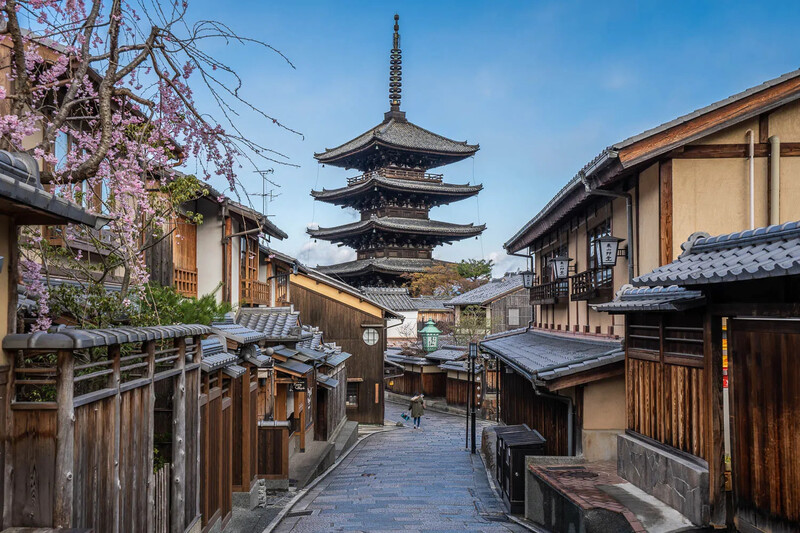
Kyoto, Japan is currently trending as one of the most searched destinations worldwide in June 2026, thanks to its timeless cultural appeal, the reopening of several historic temples after restoration, and a surge of interest in authentic Japanese experiences beyond Tokyo. Travelers are captivated by Kyoto’s ability to blend centuries-old traditions with modern sophistication.
A City Where Time Stands Still
Walking through Kyoto feels like stepping into a living scroll of Japanese history. Wooden machiya townhouses line narrow lanes, geisha glide silently through Gion, and temple bells echo across misty hills. Yet, just beyond the ancient shrines, sleek cafés and contemporary art galleries remind you that Kyoto is not frozen in time—it’s evolving with grace.
The allure lies in contrasts: sipping matcha in a 400-year-old tea house, then browsing avant-garde boutiques; meditating in Zen gardens, then joining locals at bustling izakayas. Kyoto is not simply a destination—it’s an immersion into Japan’s soul.
Experiences That Define Kyoto
Hidden Gems: Beyond the famous Fushimi Inari Shrine, discover Shugakuin Imperial Villa, a serene retreat rarely visited by tourists, or hike to Kurama-dera, a mountain temple steeped in mystical legends.
Local Culture: Kyoto is the cradle of tea ceremony, ikebana (flower arranging), and kaiseki dining. Seasonal festivals like Aoi Matsuri and Gion Matsuri showcase centuries-old rituals with vibrant parades.
People: Kyotoites are known for their quiet politeness and deep respect for tradition. Conversations often carry a subtle elegance, reflecting the city’s refined spirit.
Cuisine: Kaiseki meals are edible art—multi-course feasts that follow the rhythm of the seasons. Don’t miss yudofu (tofu hot pot) near Nanzen-ji Temple or fresh matcha sweets in Uji.
Best Time to Visit: June brings lush greenery and fewer crowds than cherry blossom season. The rainy season adds a mystical sheen to moss gardens and temple roofs.
Getting There: Kyoto is easily reached via Shinkansen bullet train from Tokyo (2 hours) or Osaka (30 minutes).
Costs: Expect $100–$200 per day for mid-range travel, with luxury ryokan stays and kaiseki dining elevating the experience.
Unique Experiences: Only in Kyoto can you witness geisha performances in Gion, meditate in Ryoan-ji’s rock garden, and stroll through Arashiyama’s bamboo grove—all in one day.
Why Kyoto Stands Apart
Unlike Tokyo’s neon buzz or Osaka’s culinary chaos, Kyoto offers a deep dive into Japan’s cultural DNA. It’s a city where every detail—from the way tea is poured to the placement of stones in a garden—carries meaning.
Travelers often ask: Is Kyoto too traditional, too quiet? The truth is, Kyoto’s quietness is its power. It invites you to slow down, to notice, to feel. And in that stillness, you discover a richness that no other city can replicate.
By the time you leave, you’ll carry the scent of tatami mats, the taste of matcha, and the memory of lantern-lit streets where history and modern life coexist in harmony.


0 nhận xét:
Post a Comment