Pages

Monday, November 22, 2010

The Vietnamese Highlands That Feel Like Europe, Yet Could Exist Nowhere Else: Why Da Lat Is Captivating a New Generation of Travelers

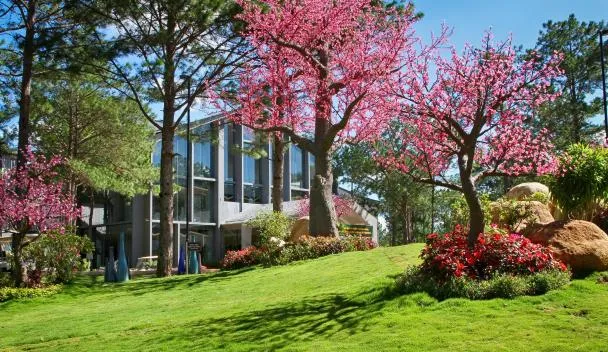
The road twisted through pine-covered hills as the temperature slowly dropped.

For hours, Vietnam had looked exactly as many travelers imagine it: tropical landscapes, warm air, bustling streets, and endless motorbikes.

Then suddenly, everything changed.

The air became cool.

The scent of pine trees drifted through the open window.

Mist rolled across distant hills.

Flower farms appeared beside winding roads.

For a moment, it felt as though Southeast Asia had quietly transformed into somewhere entirely different.

Welcome to Da Lat.

A city unlike anywhere else in Vietnam.

And increasingly, one of the destinations attracting curious travelers from the United States and Europe who are searching for experiences beyond the country's famous beaches and big cities.

The City Built Above the Clouds

Perched more than 1,500 meters above sea level, Da Lat offers something increasingly rare in tropical Asia.

Cool weather.

Year-round.

While much of Vietnam basks in tropical heat, Da Lat enjoys spring-like temperatures that make long walks, outdoor cafes, mountain adventures, and countryside exploration enjoyable throughout much of the year.

But climate alone does not explain the city's growing popularity.

Da Lat has personality.

The kind that reveals itself slowly.

And rewards travelers who stay longer than planned.

Why Travelers Keep Extending Their Stay

Many visitors arrive expecting a quick mountain getaway.

Then they discover something unexpected.

Da Lat is not defined by a single attraction.

It is defined by atmosphere.

Mornings begin with clouds drifting between hillsides.

Coffee shops open their doors to breathtaking valley views.

Local markets awaken with the aroma of freshly baked bread, strawberries, and hot soy milk.

By afternoon, sunlight illuminates flower gardens and pine forests.

At night, cool air settles over the city as locals gather around food stalls serving steaming dishes perfect for mountain weather.

The city encourages a slower rhythm.

And many travelers realize how much they needed exactly that.

Chasing Sunrises Above a Sea of Clouds

One of Da Lat's most unforgettable experiences happens before dawn.

While most tourists are still asleep, adventurers head toward the surrounding hills.

As darkness fades, a remarkable scene unfolds.

Clouds fill entire valleys below.

Mountain peaks emerge like islands floating above a white ocean.

Golden sunlight gradually transforms the landscape.

The silence feels almost sacred.

Photographs capture part of the beauty.

Standing there captures the rest.

This phenomenon has become one of the most sought-after experiences among photographers and nature lovers visiting Vietnam.

Yet somehow, it still feels wonderfully undiscovered.

The Hidden Villages Beyond the City

The true soul of Da Lat often lies outside the urban center.

Rent a scooter.

Choose a small country road.

Start exploring.

Soon you'll find yourself passing greenhouses stretching across hillsides, vegetable farms cascading down valleys, and quiet villages where life moves at a gentle pace.

Farmers carefully tend flowers destined for markets throughout Vietnam.

Children cycle home from school beneath towering pine trees.

Elderly residents sit outside wooden homes sharing stories and afternoon tea.

These are not staged tourism experiences.

This is simply everyday life.

And it offers a glimpse into a side of Vietnam many international visitors never see.

Coffee Culture Elevated to an Art Form

Vietnam is already famous for coffee.

Da Lat takes that reputation to another level.

The surrounding highlands produce some of the country's finest coffee beans.

As a result, the city has developed one of Southeast Asia's most exciting coffee cultures.

But forget rushed takeaway drinks.

Coffee here is an experience.

Many cafes are perched on hillsides overlooking valleys, forests, lakes, or endless rows of greenhouses.

Some seem hidden among pine trees.

Others appear suspended above the clouds.

Hours disappear easily in these spaces.

A cup of coffee becomes an entire afternoon.

And nobody seems to mind.

The Taste of the Highlands

Da Lat's cooler climate has shaped a unique culinary identity.

Fresh vegetables flourish here.

Strawberries grow throughout the region.

Artichokes are transformed into teas and local specialties.

Street food takes on a comforting character perfectly suited to chilly evenings.

Visitors often find themselves wandering night markets filled with sizzling grills, warm soups, and local delicacies impossible to resist.

The food feels deeply connected to the land.

Fresh.

Seasonal.

Authentic.

Exactly what travelers increasingly seek.

The Remarkable Warmth of the Locals

Ask frequent visitors what keeps drawing them back to Da Lat and many will mention the people.

There is a kindness here that feels effortless.

Cafe owners recommend hidden viewpoints.

Market vendors enthusiastically share food suggestions.

Farmers often welcome curious travelers interested in learning about local agriculture.

Interactions feel genuine rather than transactional.

Perhaps because Da Lat has managed to retain much of its local character despite growing popularity.

That authenticity remains one of its greatest strengths.

Places You Shouldn't Miss

While the city itself is the attraction, several locations consistently leave lasting impressions.

Xuan Huong Lake provides a peaceful heart to the city.

The pine forests surrounding Tuyen Lam Lake offer tranquility and natural beauty.

The colorful flower gardens showcase why Da Lat is often called Vietnam's City of Flowers.

Nearby waterfalls thunder through mountain landscapes.

Historic French colonial villas reveal another chapter of the city's fascinating past.

Yet many travelers discover that their favorite memories often emerge unexpectedly rather than from famous landmarks.

A hidden viewpoint.

A roadside cafe.

A conversation with a local.

A sunrise that wasn't part of the itinerary.

When Is the Best Time to Visit?

Da Lat is enjoyable throughout the year.

However, many travelers favor the period between November and March when skies are often clearer and temperatures remain particularly pleasant.

Flower seasons change throughout the year, ensuring that each visit offers a slightly different experience.

The city rarely feels repetitive.

Is Da Lat Expensive?

One of Da Lat's greatest advantages is affordability.

Budget travelers can comfortably enjoy local food, accommodations, and transportation without significant expense.

Meanwhile, luxury travelers can choose elegant resorts, private villas, and premium experiences at prices that often surprise international visitors.

The value for money remains exceptional.

Questions Travelers Often Ask

How many days should I stay in Da Lat?

Three to five days provides enough time to explore both the city and surrounding countryside without rushing.

Is Da Lat suitable for nature lovers?

Absolutely.

Few destinations in Vietnam combine mountains, forests, lakes, waterfalls, and agricultural landscapes so effectively.

Can I explore independently?

Yes.

Scooters, bicycles, and guided tours all offer excellent ways to experience the region.

Independent exploration is particularly rewarding.

The Feeling You'll Take Home

Years after your trip, you may forget the names of specific cafes.

You may struggle to remember every waterfall or viewpoint.

But you'll remember the feeling.

The cool mountain air.

The scent of pine trees after rain.

The sight of clouds flowing through valleys at sunrise.

The warmth of a cup of coffee while watching mist drift across distant hills.

The realization that Vietnam is far more diverse than most travelers imagine.

Da Lat has a way of surprising people.

Not through grand spectacle.

But through countless small moments that quietly become unforgettable.

And somewhere between the forests, flower farms, mountain roads, and cloud-covered valleys, many travelers discover something they were not expecting to find:

A place they immediately want to return to before they have even left.

Tuesday, November 9, 2010

Where Time Dissolves into Clay: The Living Masterpiece of Central Vietnam’s Pottery Coast

There is a rhythm to the midday heat in Thanh Ha that you feel before you see it. It is the steady, subterranean hum-slap of wet, alluvial clay being thrown onto a wooden kick-wheel, followed by the dry, woody crackle of rice husks burning inside brick kilns that look like sleeping dragons along the Thu Bon River. The air smells intensely of terracotta, river silt, and the sharp, caramelized sweetness of woodsmoke. When a master potter gently guides your hands onto a spinning mound of earth, the clay is surprisingly cool, thick, and alive—carrying a geological memory that has sustained this small riverside enclave for over five centuries.

While international travelers have spent years packed into the historic streets of neighboring Hoi An, current Western search data shows a profound shift. Discerning wanderers from Europe and the Americas are no longer content with just viewing heritage; they want to touch it. They are seeking spaces where traditional craftsmanship isn’t a performance for tourism, but an unbroken line of ancestral survival. This sudden wave of mindful curiosity is pulling travelers off the well-trodden paths and directly into Thanh Ha Pottery Village, an artisan sanctuary where the very earth beneath your feet tells the story of human resilience.

The Terracotta Kingdom: A Sacred Pact with the River

To enter Thanh Ha is to step inside a physical manifestation of element and form. According to local lore, in the 16th century, migrant craftsmen from northern Vietnam followed the riverbanks southward, seeking a soil that could withstand both the brutal summer droughts and the fierce autumn monsoons of the central coast. They found it in the specific, smooth yellow clay deposited by the Thu Bon River.

The architecture of the village reflects this intimate relationship with the earth. Ancient brick houses, shaded by towering star-fruit trees and vibrant bougainvillea, feature roof tiles that have weathered to a deep, dark amber over centuries.

What truly sets Thanh Ha apart from any other artisan community in Southeast Asia is the remarkable, matriarchal energy of its craft. The preservation of this knowledge rests almost entirely on the shoulders of the village grandmothers (Các Cụ). These women, many in their eighties and nineties, possess a physical grace that defies age. Their hands are beautifully lined and stained a permanent earthy brown, their eyes sharp with a quiet, observant humor. They do not use modern electric wheels. Instead, the creation of a single vessel requires a synchronized dance: one woman kicks the heavy wooden wheel with her bare foot while the master artisan uses her fingers, palms, and wet cloth to shape the clay in seconds.

The locals are disarmingly humble. Their hospitality is not polished or rehearsed; it is raw and incredibly warm. They will look at your hands, laugh gently at your lack of calluses, and invite you to sit on a low stool beside their wheel, sharing stories of how their ancestors crafted the bricks that built the imperial palaces of Hue and the merchant houses of Hoi An.

Fire, Smoke, and the Gastronomy of the Kiln Workers

The culinary world of Thanh Ha is deeply tied to the physical demands of working with fire and clay. This is a cuisine engineered to restore energy, heavily reliant on the daily catches of the river and the wild herbs that thrive in the rich volcanic soil.

The Smoky Symphony of Banh Dap

The ultimate post-pottery fuel is Bánh Đập (Smashed Crackers). A delicate, steaming-hot sheet of wet, steamed rice noodle is sandwiched between two crispy, baked rice crackers. You use your bare palm to firmly smash the layers together, causing the crispy outer shell to adhere to the soft interior. It is eaten dipped into a pungent, deeply savory sauce made from fermented river fish (Mắm Nêm), minced chilies, and flash-fried scallion oil. The sensory contrast between the shatter-crisp cracker and the velvety noodle is addictive.

Fire-Baked River Clams

Equally mesmerizing is Hến Trộn (Sautéed River Clams). Tiny, intensely flavorful sweetwater clams are harvested from the river silt at dawn, boiled, and sautéed with lemongrass, wild coriander, and chili. Served with a massive, sesame-studded rice cracker that you use as a spoon, it offers a distinct flavor of the river—briny, smoky, and bright.

Footsteps in the Mud: Hidden Corridors of the Potters

While the grand Terracotta Park museum at the entrance provides an architectural overview, the real soul of the village requires you to abandon the main stone paths and explore the dirt alleys where the smoke rises.

The Forgotten Kilns of the North Bank

Slip past the primary workshops and head toward the narrow western fringe of the village along the riverbank. Here lie the communal, dome-shaped updraft kilns that have been used since the Nguyen Dynasty. These structures are completely unmonetized. If you visit around dusk, you can witness the highly dramatic ritual of sealing the kiln. Local families gather to stack thousands of unbaked pots inside, sealing the brick doors with wet mud and lighting wood fires that must be monitored every hour for three days straight. Standing near the glowing cracks of the kiln as the night falls, listening to the crackle of the wood and the quiet murmurs of the elders, is an atmospheric immersion that feels completely frozen in time.

The Secret Altar of the Clay Ancestors

Deep within the village labyrinth sits the Miếu Tổ Nghề Gốm (The Ancestral Pottery Temple). Most tourists walk right past its weathered wooden gates. Built beneath the canopy of a massive, sacred banyan tree, this small temple is where the potters gather every year to pray to the spirits who first discovered the local clay. The air inside is permanently thick with sandalwood incense, and the stone walls are darkened by centuries of smoke from candles lit by families seeking blessings for a successful bake. It is a place of profound, echoing silence that demands absolute reverence.

The Artisan’s Blueprint: Essential Field Intelligence

The Season of the Kilns

Thanh Ha is an outdoor, elemental experience, making your timing vital. The absolute ideal window for Western travelers is from January to April. During this period, the central coast enjoys a beautiful transition season—the humidity is low, skies are clear, and temperatures hover around a pleasant 70°F to 80°F (21°C to 27°C). This allows the potters to dry their creations under the natural sun before baking them. Avoid visiting between October and December, as the heavy winter rains can flood the riverbanks and halt pottery production entirely.

The Approach

Reaching Thanh Ha is incredibly straightforward, making it an easy escape from the crowds. Located just two miles (3 km) upstream from Hoi An's Old Town, you can completely skip motorized transport. The most rewarding way to arrive is to rent a vintage bicycle and follow the small concrete pathways that run parallel to the Thu Bon River. Alternatively, you can hire a traditional wooden longtail boat from the Hoi An pier to drop you directly at the village docks, allowing you to watch the changing landscape from the water.

The Financials of the Craft

Because the village operates as a living community rather than a commercial resort, your dollars directly fund the preservation of the ancient craft:

  • An interactive, one-on-one pottery workshop with a master artisan: $3.00 to $5.00 (and you get to keep your creation!).

  • A traditional lunch of smashed crackers and river clams for two: $6.00 to $8.00.

  • A handmade terracotta tea set or vase straight from the kiln: $10.00 to $30.00.

  • An overnight stay at a luxury riverside eco-lodge on the outskirts: $65 to $110 per night.

Cultural Customs & Practicality

Expect to get your hands dirty. Wear lightweight, breathable clothing that you don't mind getting a splash of clay on, and leave delicate footwear behind. When entering a family’s private courtyard workshop, always ask for permission with a bow and a polite smile before taking photographs of the artisans. It is a sign of deep respect to purchase at least one small token—even a tiny clay whistle shaped like a water buffalo—directly from the family who showed you their wheel.

The Ultimate Insider Secret: Do not leave the village when the afternoon heat peaks. Wait until 5:30 PM, when the day-trippers have returned to the coastal resorts. Walk down to the old wooden pier where the raw clay is unloaded from the river barges. At this hour, the setting sun turns the Thu Bon River into a sheet of liquid copper, casting long, dramatic shadows through the rows of drying pots lining the paths. The village grandmothers will sit on their porches, washing the clay from their arms, laughing and calling out to each other across the lanes. In that golden, smoky twilight, you will realize you are witnessing the survival of a human art form that has outlasted empires. You aren't just visiting history; you are watching it breathe.

Sunday, November 7, 2010

The Island That Makes You Forget Time Exists: Phu Quoc’s Quiet Allure

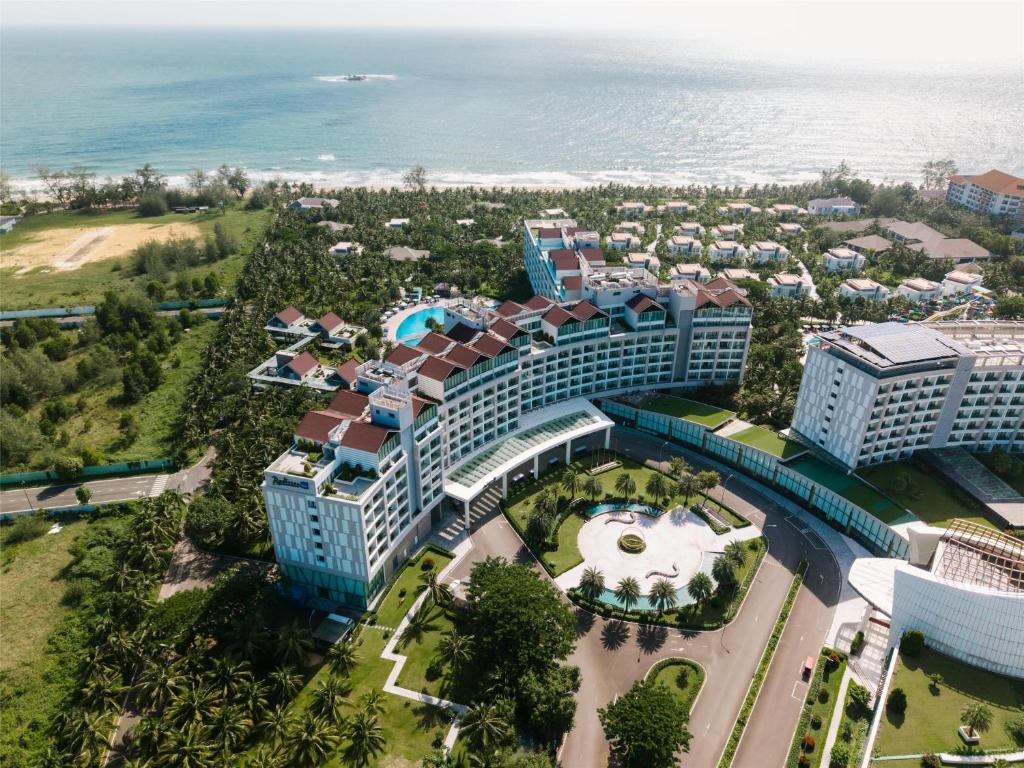
The moment your ferry or plane touches Phu Quoc, something shifts. The humidity wraps around you like a warm embrace, carrying notes of salt, ripe mango, and distant woodsmoke. Turquoise water laps at shores lined with casuarina trees, and the pace of life slows to the rhythm of the tide. This isn’t just another tropical island — it’s a place that gently pulls you away from the noise of everyday life and invites you to remember what it feels like to truly unwind.

Long known to Vietnamese families as their favorite beach escape, Phu Quoc has been steadily rising on the radars of American and European travelers seeking something more soulful than the party-heavy islands elsewhere in Southeast Asia. With its mix of pristine nature, emerging luxury, and authentic island culture, it’s delivering that rare combination: beauty without the chaos.

Arriving Into a Different World

Picture this: you wake up to the soft crash of waves just beyond your villa, step onto warm sand still holding the cool of the night, and watch local fishermen paddle out in their round basket boats as the sky turns pink. Phu Quoc’s southwest coast offers some of Vietnam’s most postcard-perfect beaches, but it’s the atmosphere that stays with you — relaxed, welcoming, and refreshingly real.

Unlike more developed destinations, much of the island still feels intimate. You can spend mornings snorkeling among vibrant coral reefs where the fish seem unafraid, or simply float in water so clear it feels like you’re suspended in glass. The consistent warm temperatures and gentle sea make it ideal for those who want to reconnect with the ocean on their own terms.

Layers of Island Life

Beyond the beaches, Phu Quoc reveals a rich cultural tapestry. The island has a long history tied to fishing communities and pepper plantations — some of the finest black pepper in the world grows in its red soil. Drive through the countryside and you’ll pass rows of neatly tended vines, with farmers happy to let you taste the difference when it’s fresh from the vine.

The people here carry a gentle, independent spirit shaped by island living. They’re proud of their home and quick to share it. A simple smile or attempt at a few Vietnamese phrases can open doors to invitations for fresh coconut or stories about life during the changing seasons. There’s a quiet dignity in how they balance tradition with the gentle growth of tourism.

Flavors Straight from the Sea and Soil

Food on Phu Quoc is a celebration of freshness. The seafood here is legendary — caught hours earlier and prepared with minimal fuss to let the natural sweetness shine. Imagine sitting at a beachside shack as golden hour paints everything in warm light, feasting on:

  • Sweet, plump tiger prawns grilled with a touch of chili and lime
  • Whole fish steamed with lemongrass and herbs
  • Gỏi cá trích — a vibrant salad of local herring, pineapple, and roasted peanuts
  • Fresh spring rolls bursting with island herbs

Don’t skip the famous Phu Quoc fish sauce (nước mắm), considered Vietnam’s best. A few drops transform any dish into something unforgettable. Evening markets buzz with the sound of laughter and sizzling pans, where you can eat like a local for very little while feeling like royalty.

Secret Spots That Feel Like Yours

While Long Beach and Sao Beach draw visitors, the island rewards those who venture further:

  • Khem Beach: Often quieter, backed by lush hills, with powdery sand and calm waters perfect for swimming.
  • Ham Ninh Fishing Village: A working village where you can join locals on a boat trip through mangrove channels, learning about oyster farming and enjoying an incredibly fresh seafood lunch prepared on the spot.
  • The wild northeast coast, where rugged landscapes meet hidden coves accessible only by motorbike or boat — places where you might have an entire stretch of sand to yourself.

These corners deliver that coveted feeling of discovery, the kind that makes you whisper to yourself, “How is this still so untouched?”

The Best Time and Practical Details

Phu Quoc shines brightest from November to April, when the northeast monsoon brings dry, sunny days and calm seas. This is when the island feels most alive yet never overwhelming. The rainy season (May to October) has its own charm with dramatic skies and fewer visitors, but the dry months are ideal for beach lovers.

Getting here is easy — direct flights from major Vietnamese cities and an increasing number of international connections land at the modern airport. Once on the island, renting a scooter is the most liberating way to explore (roads are generally good), though taxis and private drivers are readily available and affordable.

Accommodations cater to every taste: barefoot luxury resorts with infinity pools overlooking the sea, boutique eco-lodges nestled in nature, and simple beach bungalows where the biggest decision is whether to watch the sunset from your hammock. Prices remain remarkably good value — a memorable meal often costs under $15-20 per person, while luxury stays offer exceptional quality without the premium price tags of more famous islands.

A few thoughtful notes: The sun is intense, so protect yourself. Support local businesses and small family-run spots to help preserve the island’s authentic character. And while English is spoken in tourist areas, a translation app and open curiosity will enrich every interaction.

Why Phu Quoc Lingers in Your Heart

In an era where many islands feel over-discovered, Phu Quoc still offers genuine breathing room. It’s the satisfaction of biting into fruit picked that morning, the sound of waves lulling you to sleep, the warmth of a local woman’s laugh as she teaches you how to properly dip your spring roll.

This island doesn’t demand your attention — it earns it quietly, day by day, until you realize you’ve slowed down without even trying. You leave with salt-kissed skin, a deeper appreciation for simple pleasures, and stories that feel entirely your own.

Phu Quoc isn’t shouting to be the next big thing. It’s simply being itself — beautiful, generous, and waiting.

If you’re craving a tropical escape that feeds both your sense of adventure and your need for peace, this might just be the one you’ve been searching for. The question isn’t whether you should go. It’s how soon you can make it happen.