Pages

Sunday, April 29, 2012

Ban Gioc Waterfall: Vietnam’s Thunderous Border Masterpiece Where Nature Steals the Spotlight

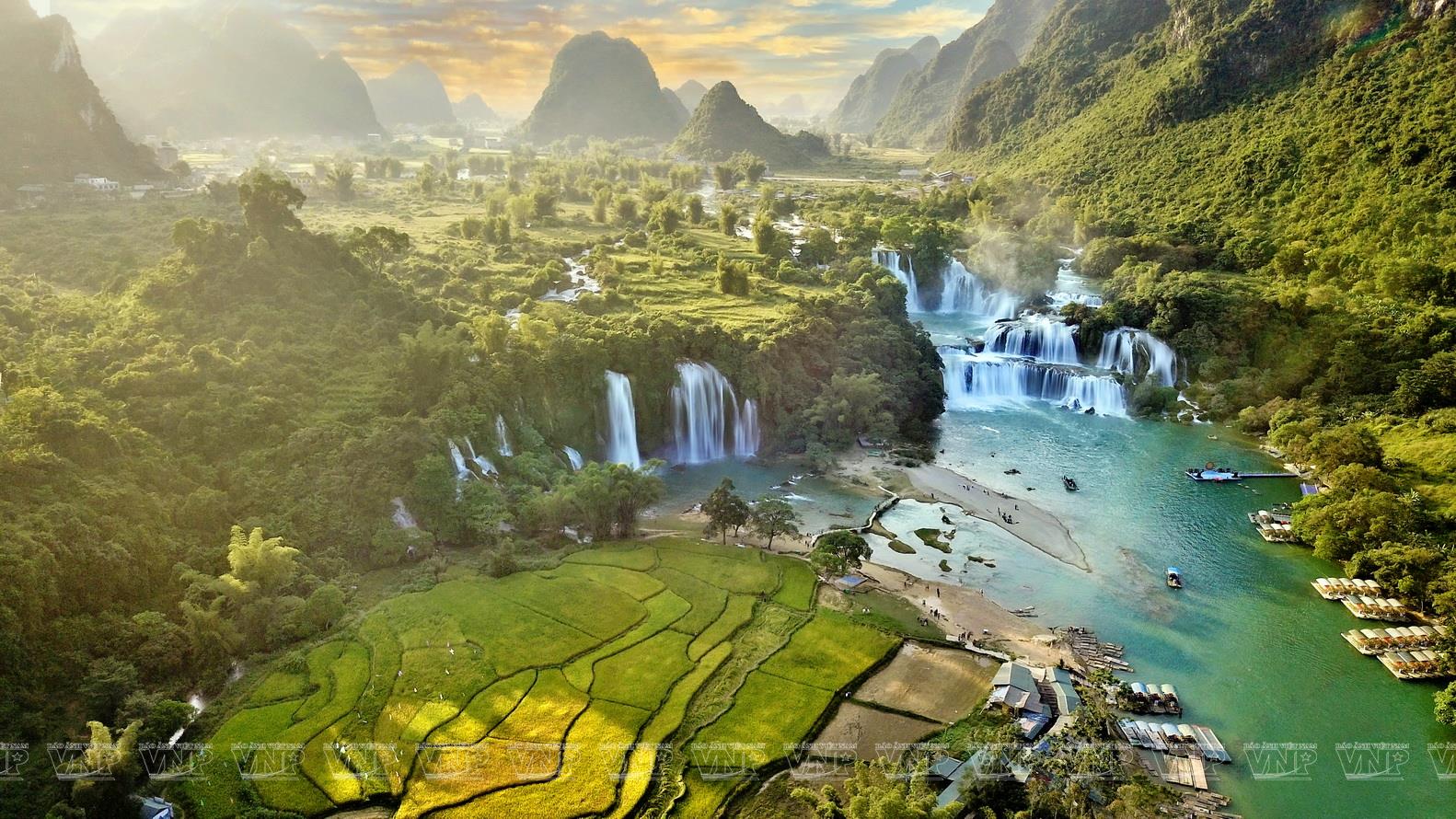
The roar reaches you before you even see it — a deep, powerful rumble that vibrates through your chest as you wind along the narrow road. Then the trees part, and there it is: Ban Gioc Waterfall, cascading dramatically in multiple tiers across the border between Vietnam and China, its white water crashing into turquoise pools below. The mist rises like smoke, catching the sunlight in rainbows, while the surrounding karst mountains stand watch in perfect silence. In that instant, you feel something shift inside — this is no ordinary waterfall. This is a place that commands reverence.

While Vietnam’s coastal gems draw many visitors, Ban Gioc and the Cao Bang region are quietly emerging as a favorite among American and European travelers in 2026 who crave dramatic nature, authentic ethnic encounters, and destinations that still feel undiscovered. Its rising appeal lies in delivering one of Southeast Asia’s most spectacular waterfalls alongside a rich cultural tapestry that few other places can match.

Where the Land Itself Speaks

Ban Gioc isn’t just beautiful — it’s theatrical. The waterfall stretches nearly 300 meters wide, divided into several powerful cascades that create a mesmerizing wall of water and light. Stand on the viewing platforms as the spray cools your skin and the thunder fills your ears. Early morning offers the softest light and fewest visitors, while afternoon brings vivid rainbows dancing in the mist.

Nearby, the journey to reach it is half the reward. The road from Cao Bang town winds through stunning limestone landscapes, rice terraces, and traditional villages, turning the drive itself into a scenic adventure that slows you down and opens your eyes.

Cultures That Still Sing Their Own Songs

The region is home to vibrant Tay, Nung, and Hmong communities whose traditions remain beautifully intact. You’ll meet families living in stilt houses, where the ground floor is often used for weaving or storing rice. Their warmth is immediate and genuine — many are happy to show you how they dye fabric with natural indigo or invite you to join a simple meal in their home.

Local customs revolve around respect for nature and community. You might witness a Tay water puppet performance on a small pond or hear folk songs sung during evening gatherings. There’s a gentle pride here, mixed with curiosity about the outside world, making every interaction feel meaningful rather than transactional.

Flavors Born from Mountain and River

Food in Cao Bang is hearty, aromatic, and full of character. After a day exploring the falls or hiking nearby trails, nothing restores you better than sitting on a wooden floor mat as dishes appear one by one:

  • Fresh river fish steamed with herbs and ginger
  • Smoky grilled chicken with wild mountain leaves
  • Thang Co — a rich, spicy soup traditionally made with horse meat (or alternatives) and fragrant spices
  • Sticky rice wrapped in banana leaves, still warm from the fire

The meals are generous, often paired with locally made corn wine that sparks laughter and stories long into the evening. Every bite tastes of the land — earthy, bold, and deeply satisfying.

Secret Spots That Reward the Curious

While Ban Gioc is the star, the wider Cao Bang region offers hidden treasures:

  • Nguom Ngao Cave, a massive limestone cavern system where you can walk through chambers filled with stunning formations and the sound of underground streams.
  • Peaceful villages around Phia Thap or Trung Khanh, where rice paddies glow golden during harvest and life moves at the pace of water buffalo.
  • Quiet sections of the Quay Son River where you can kayak or simply sit and absorb the peaceful karst scenery with almost no one else around.

These places deliver that rare thrill of feeling like you’ve found something truly personal.

When to Visit and How to Get There

The best time is from September to November, when the rice terraces turn brilliant gold and the weather is pleasant for hiking. March to May also offers comfortable temperatures and blooming flowers. Summers are lush but wetter, while winters bring cool, crisp air.

Cao Bang is reachable by a scenic 5–6 hour drive or bus from Hanoi. Once there, hiring a private driver or joining a small guided tour allows you to explore comfortably and safely. Accommodations range from simple, welcoming homestays in ethnic villages to comfortable eco-lodges near the main sights. Prices remain very accessible — hearty local meals often cost under $10, and guided experiences offer excellent value.

A few practical tips: Bring comfortable walking shoes for cave and waterfall exploration, respect local customs when visiting villages (ask before photographing people), and support community-based tourism to help preserve these traditions.

The Waterfall That Stays in Your Memory

Ban Gioc doesn’t just show you a waterfall. It surrounds you with power and beauty — the cool mist on your face, the thunder that echoes in your bones, the taste of river-fresh food after a day of exploration, and the warmth of sharing rice wine with a local family as the stars come out over the karst mountains.

In a country filled with natural wonders, Ban Gioc stands out as something special: raw, majestic, and deeply human. It’s the kind of place that reminds you why we chase far horizons — to stand in awe, connect with kind strangers, and return home changed in small but meaningful ways.

You’ll leave with the sound of falling water still ringing in your ears, a heart fuller from genuine encounters, and an irresistible urge to tell everyone about this hidden corner of Vietnam.

The thunder is calling. The rice terraces are glowing. And that unforgettable moment standing before one of Asia’s most spectacular waterfalls is waiting just for you.

This might be the most powerful natural experience Vietnam has to offer. Are you ready to answer?

The Vietnamese Island Everyone Will Be Talking About Next Year: Why Phú Quý Feels Like Southeast Asia Before the Crowds Arrived

There are still places in the world where mornings begin with nothing but the sound of fishing boats returning to shore.

No beach clubs blasting music.

No endless rows of resorts.

No crowds lining up for the perfect Instagram photo.

Just the scent of salt in the air, volcanic cliffs glowing under the first light of dawn, and an island that somehow feels untouched by the modern tourism machine.

That place is Phú Quý Island, a small island off Vietnam’s south-central coast that is quietly becoming one of the country's fastest-rising travel destinations among international travelers. At a time when many travelers are searching for authenticity rather than overcrowded hotspots, Phú Quý is arriving at exactly the right moment.

And if you visit now, you may experience something that becomes increasingly rare every year:

The feeling of discovering a place before the rest of the world does.

An Island That Feels Like a Secret

The first thing you'll notice is the color.

The water surrounding Phú Quý doesn't merely look blue—it shifts between shades of turquoise, emerald, sapphire, and crystal-clear jade depending on the time of day.

As your ferry approaches the island, black volcanic rock formations rise dramatically from the sea. Tiny fishing boats painted in bright reds and blues drift across the horizon. White clouds hang motionless above the ocean.

Unlike many famous islands in Southeast Asia, Phú Quý has never relied on large-scale tourism.

For generations, life here revolved around fishing, sea worship traditions, and a deep connection with the ocean.

That authenticity remains visible everywhere.

Children still ride bicycles through quiet villages.

Fishermen repair their nets beneath coconut trees.

Grandmothers sell freshly grilled seafood beside small harbors.

The pace of life feels slower, gentler, and remarkably human.

Why International Travelers Are Suddenly Paying Attention

Modern travelers are changing.

Many Americans and Europeans no longer want destinations that feel manufactured. They want places with genuine culture, real communities, and landscapes that haven't been overwhelmed by tourism infrastructure.

Phú Quý delivers exactly that.

The appeal is simple:

You can still find empty beaches.

You can still meet local fishermen who know every corner of the coastline.

You can still watch sunsets without hundreds of people surrounding you.

In today's travel landscape, that has become a luxury.

The Sunrise That Changes Everything

Ask anyone who has spent time on the island about their most memorable moment.

Many will tell you about sunrise.

Specifically, sunrise from Núi Cấm.

Before dawn, travelers climb the volcanic hill in near darkness.

The ocean below remains invisible.

The island sleeps.

Then suddenly, the horizon begins to glow.

Orange turns to gold.

Gold turns to fire.

The first sunlight touches fishing boats returning from the night sea.

Clouds become rivers of pink and crimson.

For a few minutes, the entire island seems suspended between dream and reality.

It's one of those travel moments that photographs never fully capture.

You simply have to be there.

Hidden Beaches Most Tourists Never Find

One of Phú Quý's greatest treasures is how much remains undiscovered.

Many visitors spend their time on the island's better-known coastal areas and completely miss its hidden corners.

Rent a motorbike and follow the coastal roads.

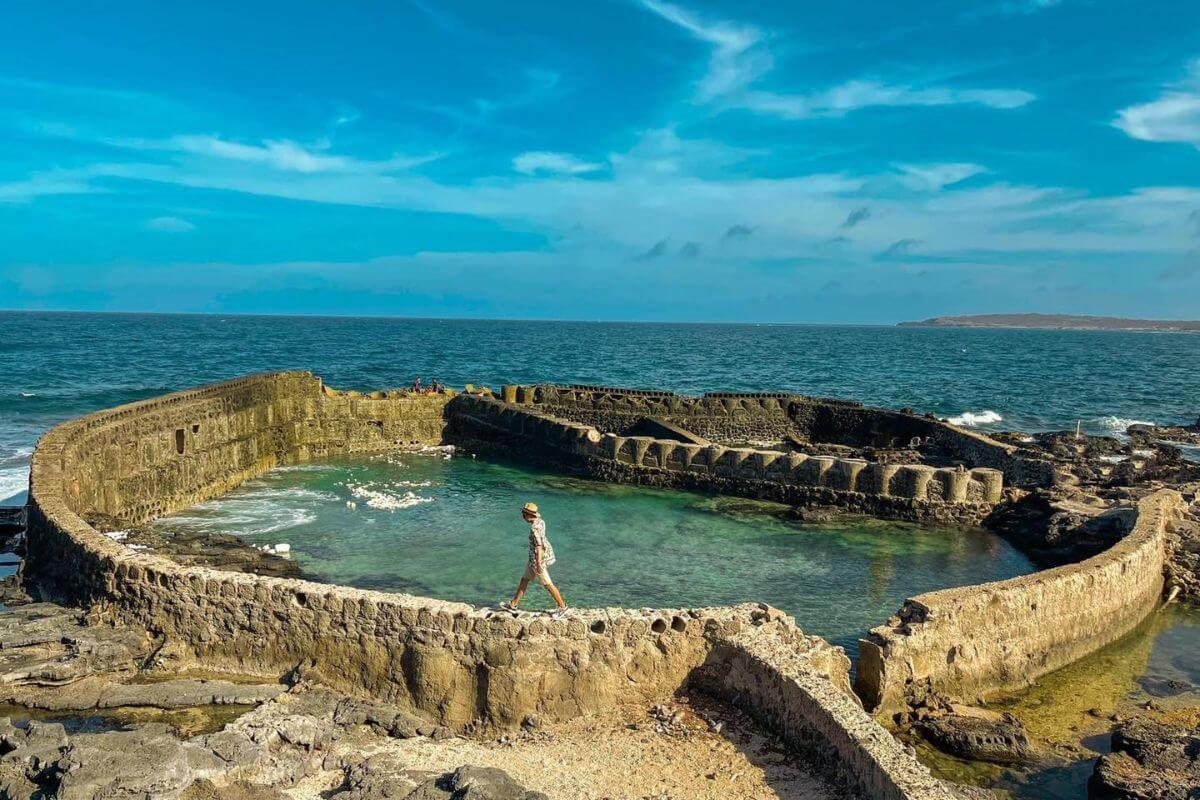
Soon you'll discover tiny coves protected by volcanic cliffs.

You'll find stretches of sand where your footprints may be the only ones visible.

You'll encounter natural rock pools filled with crystal-clear seawater.

Some beaches have no facilities whatsoever.

No vendors.

No umbrellas.

No crowds.

Just the ocean.

For many travelers, that simplicity becomes the most unforgettable part of the journey.

The Island's Deep Connection to the Sea

Phú Quý is more than beautiful scenery.

It is a living maritime culture.

The island's identity has been shaped by generations of fishermen who depended on the sea for survival.

One of the most fascinating traditions involves whale worship.

Throughout Vietnam's coastal communities, whales are viewed as sacred protectors of fishermen.

Local legends tell stories of whales guiding boats through storms and rescuing sailors from dangerous waters.

Temples dedicated to these sea guardians remain important spiritual centers today.

Visitors who take time to understand these traditions gain access to a side of Vietnam that many international tourists never encounter.

Seafood That Never Sees a Freezer

If you're passionate about food, Phú Quý can be astonishing.

Every morning, fishing boats return loaded with fresh catches from surrounding waters.

Sea urchins.

Lobster.

Squid.

Kingfish.

Grouper.

Crab.

Many restaurants buy directly from fishermen the same day.

As a result, seafood here tastes remarkably different from what most visitors experience elsewhere.

One local specialty is grilled sea urchin topped with scallion oil.

The flavor is rich, sweet, and intensely oceanic.

Another favorite is freshly steamed lobster enjoyed with nothing more than salt, pepper, and lime.

The freshness does all the work.

A generous seafood dinner often costs significantly less than comparable meals in major international beach destinations.

Meeting the People of Phú Quý

The island's greatest attraction may not be its beaches.

It may be its people.

Visitors frequently describe locals as warm, curious, and refreshingly genuine.

Because mass tourism has not yet transformed daily life, interactions feel natural rather than transactional.

Don't be surprised if locals strike up conversations simply because they're interested in where you've come from.

Many families continue traditional lifestyles centered around fishing and community relationships.

Hospitality here often feels personal.

The island still operates according to human rhythms rather than tourist schedules.

Practical Information for Travelers

The most pleasant time to visit is generally between December and June when seas are calmer and weather conditions are ideal for outdoor exploration.

Most travelers reach the island via ferry from the mainland city of Phan Thiết.

Accommodation remains relatively affordable, ranging from simple guesthouses to comfortable boutique stays.

Budget travelers can enjoy the island comfortably for around $30–50 per day, while travelers seeking more comfort typically spend between $60–120 daily, including accommodation, meals, transportation, and activities.

A motorbike rental is highly recommended because it allows complete freedom to explore hidden beaches, fishing villages, and scenic viewpoints.

Questions Travelers Often Ask

Is Phú Quý crowded?

Not compared to Vietnam's major tourist destinations. That's one of its biggest advantages.

Can international travelers visit independently?

Absolutely. Independent travel is often the best way to experience the island.

How many days should I stay?

Three to five days allows enough time to experience both the natural beauty and local culture without rushing.

Is English widely spoken?

Less than in major tourism centers, but friendliness and hospitality usually bridge the gap.

The Experience You'll Remember Years Later

Long after you've forgotten hotel names and flight numbers, you'll remember moments.

You'll remember riding a motorbike along an empty coastal road while waves exploded against black volcanic rocks.

You'll remember fishermen laughing on the harbor at sunrise.

You'll remember eating seafood so fresh it seemed to carry the taste of the ocean itself.

You'll remember standing alone on a cliff while endless blue stretched to the horizon.

Most importantly, you'll remember discovering a place that still feels real.

In an era when many destinations are becoming increasingly crowded, curated, and commercialized, Phú Quý offers something unexpectedly rare:

The chance to experience a beautiful island before everyone else discovers it.

And that's exactly why so many travelers who visit leave with the same thought:

"I can't believe more people don't know about this place yet."

Friday, April 27, 2012

Shrouded in Jade: Unveiling the Floating Labyrinths and Subterranean Kingdoms of Phong Nha

There is an eerie, magnificent silence that hits you the exact moment your wooden longtail boat cuts its engine and glides beneath the colossal limestone archway of the Son River. Suddenly, the tropical humidity of Central Vietnam vanishes, replaced by a cool, subterranean breath that smells intensely of damp moss, wet river stones, and ancient earth. Inside this cavernous mouth, the world is illuminated only by narrow shafts of emerald light piercing through the dense jungle canopy above, reflecting off a mirror-like river.

While mainstream international tourism has long channeled crowds to the crowded citadel of Huế or the post-card lantern streets of Hội An, a highly sophisticated wave of Western travelers is intentionally heading elsewhere. Search inquiries from North America and Western Europe reveal a dramatic surge in high-intent interest for places that offer raw, deep-earth exploration and untamed biodiversity. Travelers are seeking something primordial. This collective longing has thrust Phong Nha-Kẻ Bàng—a UNESCO World Heritage karst kingdom in Quảng Bình Province—into the global spotlight.

Phong Nha is not a destination for the casual sightseer. It is a vertical world where the oldest karst mountains in Asia—dating back over 400 million years—are honeycombed with the largest, most spectacular cave networks on the planet. This is a place that demands you step off the paved grid, strap on a headlamp, and immerse yourself in a living, breathing wilderness where entirely unique ecosystems thrive in absolute darkness.

The Guardians of the Underground: Resiliency, Warmth, and the Jungle Path

To comprehend the real identity of this jungle frontier, you must spend an evening in the small, riverfront community of Phong Nha town or the rural farming hamlets of Bồng Lai Valley. The people who inhabit this rugged karst terrain carry a fascinating history of sheer survival and deep harmony with nature.

Historically cut off from the rest of the country by the formidable Annamite Range, the local population—including the resilient, welcoming native communities—spent generations foraging, hunting, and navigating the treacherous jungle terrain. Today, these exact skills have transformed them into the world’s finest cave conservationists and jungle expedition leaders.

The people of Phong Nha possess a wonderfully warm, unpretentious, and fiercely protective character. Their hospitality is natural, hearty, and full of laughter. Sit down with a local porter or guide at a wooden tavern after a long jungle trek, and you will see the physical evidence of their environment: calloused hands that can scale slippery mud walls with ease, and sharp, observant eyes that can spot a camouflaged insect from yards away. They don’t just show you the caves; they share them with a profound sense of stewardship, ensuring that every footstep respects the delicate stalactites that took millions of years to grow.

The Smoke of the Karst Fields: Wild Peppers, Leaf-Wrapped Pork, and Cold Rice Wines

The culinary landscape of Quảng Bình is shaped by its wild topography—an intense combination of untamed jungle mountains and brackish river systems. The flavors here are unpretentious, sharp, and deeply aromatic, designed to refuel tired bodies after hours of subterranean trekking.

The Jungle Flame of Grilled Gà Đồi

The defining culinary ritual of the region is a feast of Gà Đồi (Hill Chicken). These are free-range chickens raised on the steep limestone slopes, resulting in exceptionally lean, flavorful meat. The chicken is flattened, marinated in an intense paste of crushed wild jungle pepper berries (Tiêu Rừng), salt, and lemongrass, and slow-roasted over a smoking woodfire until the skin turns a crispy, dark amber. It is served on giant green banana leaves alongside a dipping sauce made from salt, lime juice, and freshly torn lime leaves. The flavor is spectacularly rustic—deeply smoky, spicy, and perfectly paired with a cold local craft beer as the jungle cicadas begin their evening chorus.

The Texture of Bánh Lọc Quảng Bình

For a delicate taste of the local rivers, seek out a plate of Bánh Lọc. These small, translucent tapioca dumplings are stuffed with fresh river shrimp and seasoned pork belly, wrapped tightly in banana leaves, and steamed over boiling cauldrons. When you unwrap the leaf, the dumpling is beautifully chewy and clear, revealing the pink shrimp inside. Dipped into a fiery, sweet-and-sour fish sauce packed with sliced red chilies, it offers an incredible balance of chewy texture and explosive coastal heat.

The Unmapped Matrix: Sunken Forests and Hidden Spires

While the colossal chambers of Paradise Cave and Phong Nha Cave attract day-trippers, the true emotional core of this wilderness belongs to those who venture deep into the pristine, unlit river valleys.

The Subterranean Oasis of Nuớc Moọc Eco-Trail

Hidden deep within the primary forest of the national park lies the secret oasis of Nuớc Moọc Stream. Here, an underground river system mysteriously erupts directly from the base of a limestone mountain, creating a series of crystal-clear, intensely turquoise pools that remain a refreshing 68°F year-round. Wooden boardwalks trace the edge of the rushing water, shaded by giant wild orchids and ancient ferns. Kayaking through these cool, jade-colored currents surrounded by sheer limestone cliffs feels like navigating a forgotten, prehistoric water world.

The Haunted Splendor of the Tra Ang Cave

For those seeking absolute sensory isolation, a trek into the valley to explore Trạ Ang Cave is unmatched. Reached via a demanding hike through dense jungle terrain, this pristine cave requires you to swim in complete darkness. Armed with only a headlamp and a life jacket, you plunge into the cool, deep river that runs through the pitch-black limestone tunnel. Turning your headlamp off for just two minutes in the center of the cave reveals a silence and a darkness so absolute that you can hear the rhythmic beat of your own heart and the distant, echoing drop of water somewhere miles ahead in the limestone labyrinth.

The Expedition Protocol: Intelligence for the Wilderness Journey

The Monsoon and the Dry Split

Phong Nha’s climate is intense and directly dictates cave accessibility. The absolute premier window for international travelers seeking clear trekking conditions, warm weather, and safe cave swimming is from March to August. During these spring and summer months, the water levels are low and crystal-clear, and the jungle paths are dry. Conversely, from September to November, the region experiences heavy monsoon rains that can cause the underground rivers to rise rapidly, completely flooding cave entrances and temporarily halting all expedition routes.

The Overland Route

Navigating to this pristine frontier requires a deliberate travel plan. The most efficient approach for international travelers is to fly into Đồng Hới Airport (VDH) via a short connection from Hanoi or Ho Chi Minh City. From the airport, bypass the local transport and arrange a private vehicle transfer for the scenic 45-minute drive northwest into the park. Alternatively, for a highly nostalgic and atmospheric journey, book a premium sleeper cabin on the historic Reunification Express train from Hanoi, which arrives in Đồng Hới just as the morning mist is rising over the coastal rice fields.

The Economics of the Frontier

Because Phong Nha-Kẻ Bàng heavily prioritizes eco-tourism limits and local employment over mass commercial resorts, your travel expenses directly fund park conservation and indigenous families:

  • A traditional woodfired hill chicken feast for two with local drinks: $14.00 to $18.00.

  • An all-inclusive, full-day guided jungle trek and cave-swimming expedition: $45.00 to $75.00.

  • A hand-woven bamboo basket crafted by local valley artisans: $10.00 to $25.00.

  • A beautiful, sustainable riverside bungalow overlooking the karst peaks: $55 to $110 per night.

Subterranean Ethics and Safety Boundaries

The cave systems of Phong Nha are incredibly fragile geological environments. Never, under any circumstances, touch the stalactites or stalagmites inside the caves; the natural oils on human skin can permanently stunt their growth and stain the pristine calcite. Always follow your licensed guide's instructions implicitly, and never enter an unlit cave system without a backup headlamp and an approved life jacket—underground currents can be deceptively powerful. Bring heavy-duty, quick-drying trekking shoes, long-sleeved lightweight clothing to protect against sharp limestone rocks, and high-quality insect repellent for the jungle trails.

The Ultimate Insider Secret: If you explore the national park, make your way to the Chày River suspension bridge at precisely 5:15 PM. Stand on the narrow wooden planks alone as the sun dips behind the jagged limestone spires. At this hour, the day tour groups have departed, and the jungle falls into an atmospheric twilight. Watch the thousands of local river bats burst from the hidden limestone crevices above the water, swirling in unison against a purple sky, while the sweet scent of wet jungle earth rises from the riverbanks. In that immense, echoing space, you will realize you are standing on the edge of a world unchanged for millennia—a wild, beautiful kingdom that demands to be felt rather than just seen.

Monday, April 23, 2012

Halong Bay: Vietnam’s Legendary Seascape Where Legends Feel Real

The junk boat glides through the emerald waters as limestone karsts rise dramatically from the sea like ancient guardians frozen in time. A light mist hangs between the towers, softening the morning light into something almost magical. You stand on the deck with a warm cup of coffee in hand, the gentle lapping of waves against the hull the only sound breaking the silence. In that quiet moment, surrounded by one of the world’s most extraordinary natural wonders, you understand why Halong Bay doesn’t just impress visitors — it completely captivates them.

Long recognized as a UNESCO World Heritage Site, Halong Bay continues to draw American and European travelers in growing numbers throughout 2026. People come seeking more than postcard scenery; they’re drawn to its mythical atmosphere, pristine marine life, and the rare feeling of stepping into a living legend.

A Seascape That Awakens Wonder

Halong Bay’s magic lies in its sheer scale and surreal beauty. Over 1,600 limestone islands and islets create a constantly shifting panorama as your boat weaves through narrow passages and hidden lagoons. Sunrise and sunset are particularly spellbinding, when the golden light sets the karsts ablaze and the water mirrors the sky in perfect stillness.

A highlight for many is kayaking through hidden caves and tunnels into enclosed lagoons where the only company is the echo of your paddle and the occasional call of seabirds. Swimming in the warm, clear waters near Titop Island or Sung Sot Cave (Surprise Cave) delivers pure joy — the kind where you float on your back, staring up at towering cliffs, feeling wonderfully small in nature’s grand theater.

Life Shaped by the Bay

The people who call Halong home — mostly fishing communities living on floating villages — carry a resilient, seafaring spirit. Their lives move with the tides, and they welcome visitors with an unpretentious warmth. You might share a simple meal with a local fisherman who’s spent his whole life navigating these waters, listening as he points out which islands have hidden legends or the best spots for spotting monkeys on the rocks.

Traditional customs remain strong here, from offerings made to the sea spirits for safe voyages to the rhythmic songs sung while repairing fishing nets. There’s a deep respect for nature that feels refreshing and grounding.

Flavors Fresh from the Sea

After a day exploring, the seafood in Halong Bay tastes exceptional because it comes straight from the waters around you. Imagine sitting on the upper deck of your junk boat as the sun dips low, feasting on:

  • Fresh clams and oysters steamed with lemongrass and chili
  • Whole grilled fish with a tangy tamarind sauce
  • Sweet, plump tiger prawns stir-fried with local herbs
  • Crunchy squid served with a fiery dipping sauce

Even simpler pleasures like fresh spring rolls with herbs picked that morning or a cold Vietnamese beer paired with the salty breeze become memorable experiences in this setting.

Hidden Corners That Feel Like Discoveries

While the classic bay cruise is unforgettable, those willing to venture slightly further find even more special moments:

  • Lan Ha Bay (just south of Halong), which offers a quieter, less crowded alternative with beautiful beaches and excellent kayaking.
  • Remote floating villages where you can spend time learning about daily life and even try your hand at traditional fishing methods.
  • Lesser-visited caves and secluded coves accessible only by smaller boats, where the silence feels profound and the scenery untouched.

These experiences deliver that coveted sense of having the bay almost entirely to yourself.

When to Visit and How to Experience It Best

The ideal time to visit is from October to April for the clearest skies and calmest seas, though the bay remains beautiful year-round. Summers bring warmer water perfect for swimming but occasional afternoon showers.

Most visitors fly into Hanoi and take a comfortable 3–4 hour transfer to the bay. Choosing a reputable overnight or multi-day cruise is the best way to fully experience it. Options range from luxurious junks with private cabins and excellent dining to more intimate, eco-friendly boats that focus on smaller groups and sustainable practices. Costs offer strong value — a well-reviewed overnight cruise with meals and activities often provides an experience worth far more than the price.

A few important notes: Choose responsible operators committed to protecting the marine environment, avoid single-use plastics, and respect the local fishing communities. The weather can change quickly, so pack layers and stay flexible.

The Bay That Lingers in Your Soul

Halong Bay doesn’t just offer beautiful views. It creates lasting feelings — the thrill of kayaking into a hidden lagoon, the taste of seafood caught hours earlier, the peaceful silence broken only by gentle waves, and the quiet satisfaction of witnessing one of nature’s greatest masterpieces up close.

In a world where many natural wonders feel overcrowded, Halong still manages to deliver moments of genuine awe and serenity. It’s a place where legends of dragons shaping the landscape don’t seem so far-fetched after all.

You’ll leave with the scent of the sea still on your skin, eyes full of impossible landscapes, and a heart expanded by the kind of raw beauty that only certain places on Earth can offer.

The karsts are waiting, the emerald waters are calling, and that unforgettable sunrise over the bay might just become one of your most treasured travel memories.

If you’re looking for a destination that feels truly extraordinary, Halong Bay is ready to welcome you. This isn’t just a trip — it’s an experience you’ll carry forever.

Saturday, April 21, 2012

Beyond the Clouds: Why Ha Giang Is Becoming Vietnam’s Most Desired Adventure for Western Travelers

There are destinations you visit.

And then there are destinations that change the way you see the world.

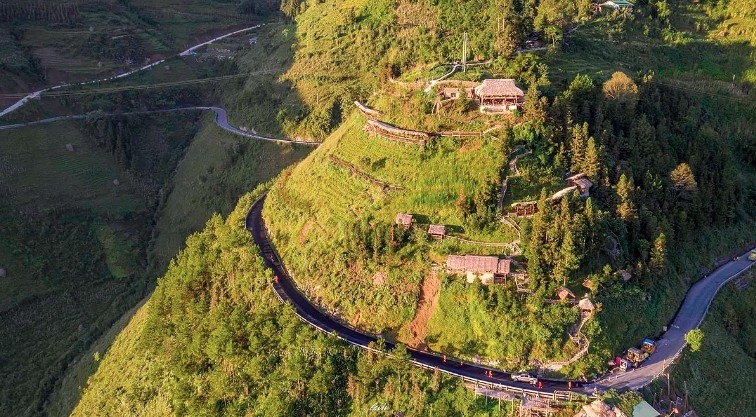
In the far north of Vietnam, where limestone mountains rise like stone waves frozen in time and roads cling dramatically to cliffs above emerald valleys, lies a place that many travelers describe not as a trip, but as a life experience.

Welcome to Ha Giang.

Over the past few years, international interest in northern Vietnam has surged as travelers from the United States and Europe increasingly search for authentic, less-commercialized destinations. Vietnam itself continues to experience strong growth in international tourism demand, driven by travelers seeking culture, adventure, value, and genuine local experiences.

And among all of Vietnam's emerging destinations, few create the same emotional impact as Ha Giang.


The Road That Everyone Talks About

Most travelers arrive in Ha Giang with a plan.

Very few leave unchanged.

The reason is simple.

The famous Ha Giang Loop is not merely a road.

It is a journey through one of the most spectacular mountain landscapes in Asia.

Picture yourself standing on a mountain pass before sunrise.

The air is cool and crisp.

Clouds drift through valleys thousands of feet below.

Terraced fields curve around mountainsides like giant green staircases leading into the sky.

A distant rooster calls from a hidden village.

For a moment, the entire world feels silent.

Then the sun appears.

And suddenly the mountains ignite in gold.

No photograph prepares you for that moment.


Why International Travelers Are Falling in Love with Ha Giang

Travel habits have changed.

Many travelers no longer want crowded beaches, long queues, or destinations built entirely around tourism.

They want stories.

They want authenticity.

They want experiences that feel earned.

Ha Giang delivers all three.

Unlike many famous destinations in Southeast Asia, large portions of Ha Giang still feel untouched. Traditional communities continue daily life much as they have for generations. Farmers work steep mountain fields. Local markets remain genuine community gatherings rather than tourist performances.

The result is rare.

You feel like a visitor rather than a customer.


A Landscape That Feels Almost Impossible

The first thing that surprises visitors is the scale.

Mountains stretch endlessly toward the Chinese border.

Deep canyons slice through ancient limestone plateaus.

Roads twist through landscapes so dramatic that they often look computer-generated.

One of the most unforgettable places is Ma Pi Leng Pass.

The road snakes along cliffs high above the Nho Que River, whose jade-green waters wind through one of Southeast Asia's deepest canyons.

Standing there, you understand why so many travelers rank Ha Giang among the most beautiful places they have ever seen.

Not in Vietnam.

In the world.


The Villages Hidden Among the Peaks

The true soul of Ha Giang lives beyond the viewpoints.

Scattered throughout the mountains are villages belonging to ethnic communities including the Hmong, Dao, Tay, Lo Lo, and many others.

Life here moves differently.

Children walk mountain paths to school.

Women wearing brilliantly embroidered traditional clothing gather at local markets.

Farmers guide water buffalo through terraced fields.

Visitors often discover that the strongest memories are not the landscapes but the people.

A smile from an elderly villager.

An invitation to share tea.

A conversation that somehow works despite neither person speaking the other's language.

Those moments stay with you.


The Sunday Market Experience

If your timing is right, visit one of Ha Giang's traditional markets.

These are not tourist attractions.

They are social events.

People travel from remote mountain villages for hours to buy goods, sell livestock, meet friends, and exchange news.

The atmosphere is extraordinary.

Bright textiles.

The scent of grilled food.

The sound of laughter echoing across mountain towns.

Families dressed in traditional clothing.

Markets here are not merely places of commerce.

They are living expressions of culture.


Hidden Gems Most Visitors Miss

Many travelers complete the Loop and leave.

That means they miss some of Ha Giang's most magical places.

Lung Cu, near Vietnam's northernmost point, offers stunning landscapes and a powerful sense of geographic significance.

The lesser-visited valleys surrounding Du Gia reveal a quieter side of Ha Giang, where waterfalls, rice terraces, and traditional homestays create a slower and more intimate experience.

Then there are countless unnamed viewpoints.

Places with no signs.

No ticket booths.

No crowds.

Just mountains stretching to the horizon.

Sometimes the best moments in Ha Giang happen completely by accident.


Food That Tells a Story

Mountain cuisine reflects the region itself.

Simple.

Honest.

Memorable.

Visitors often discover smoky grilled meats cooked over open fires, handmade corn dishes, mountain herbs gathered from nearby forests, and warming stews perfect for cool evenings.

One local specialty, thắng cố, carries deep cultural significance among Hmong communities.

Meanwhile, bowls of hot noodle soup become unforgettable after a cold morning ride through mountain passes.

Food in Ha Giang is less about luxury and more about connection.

Every meal feels rooted in place.


The Character of the People

Ask travelers what makes Ha Giang special and many mention the same thing.

The warmth.

Despite often living in remote mountain regions, local residents are known for their hospitality, resilience, and strong community bonds.

Life here can be challenging.

The terrain is rugged.

The climate can be harsh.

Yet visitors frequently encounter kindness that feels effortless and genuine.

There is an honesty to mountain life that many travelers find refreshing.


The Best Time to Visit

September and October bring golden rice terraces that transform valleys into shimmering works of art.

October and November offer comfortable temperatures and exceptional visibility.

Spring arrives with blooming flowers that add color to already spectacular landscapes.

Even winter has its charm, with mist drifting through valleys and occasional frost creating dreamlike scenes.

Every season tells a different story.


What Does a Trip Cost?

Compared with many adventure destinations around the world, Ha Giang remains remarkably affordable.

Budget travelers can comfortably explore the region using guesthouses and local eateries.

Mid-range travelers often choose guided Loop tours or comfortable homestays.

Even premium experiences typically cost far less than similar mountain adventures in Europe or North America.

The greatest luxury here is not accommodation.

It is access to a landscape that feels genuinely wild.


Questions Travelers Commonly Ask

Is Ha Giang safe?

Yes, provided travelers choose reputable operators, follow safety guidelines, and respect mountain road conditions. The region's dramatic terrain demands caution and responsible travel.

How many days do you need?

Three to five days is ideal for experiencing the Loop and exploring beyond the main route.

Do you need motorbike experience?

Not necessarily. Many visitors choose experienced local drivers, allowing them to enjoy the scenery safely.

Is Ha Giang crowded?

Compared with Vietnam's major tourist destinations, it remains relatively uncrowded, especially outside peak periods.


The Memory That Follows You Home

Years from now, you may forget the name of a particular guesthouse.

You may struggle to remember exactly which mountain pass was which.

But you will remember the feeling.

The sensation of standing above a sea of clouds.

The sound of wind moving through remote valleys.

The sight of endless mountains fading into blue horizons.

The realization that places like this still exist.

In an age when so much of the world feels mapped, reviewed, photographed, and explained, Ha Giang remains something increasingly rare:

A genuine adventure.

And once you've experienced it, every other road trip feels a little less extraordinary.

Because somewhere in the mountains of northern Vietnam, there is a road that reminds travelers what discovery feels like.