Pages

Sunday, March 18, 2012

The Salt of the Earth: Chasing Shadows and Spiritual Silence in Ninh Thuận

There is a precise moment in the late afternoon when the dry, relentless wind of the southern coast changes its tone. If you are standing among the skeletal, sun-bleached cactus patches of the Phan Rang coast, the air no longer simply burns; it begins to carry a dense, mineral richness. It is a sensory collision unique to this pocket of the country—the sharp sting of pure ocean salt crusting on your skin, the hot, dry radiation of red desert earth, and the sweet, resinous smoke of neem wood fires burning slowly in hidden clay hearths.

While global travelers habitually flock to the neon-lit beach clubs of Nha Trang or the commercialized sand dunes of Mũi Né, an entirely different rhythm is drawing the attention of seasoned Western voyagers. High-intent travel queries from Europe and North America reveal a distinct shift toward destinations that preserve a sense of raw geological isolation and unbroken antiquity. They are looking for Ninh Thuận Province—Vietnam’s hidden, sun-baked cradle of Cham culture and dramatic maritime wilderness.

Ninh Thuận is a magnificent elemental paradox. It is the driest province in Vietnam, a landscape of jagged granite massifs, secret oceanic trenches, and ancient vineyards that looks more like a Mediterranean coastline dropped into Southeast Asia. It is a place that does not wait for tourists with rehearsed smiles. It is a raw, fiercely independent frontier that challenges you to slow down, look beneath the heat, and discover a living civilization that has survived on this coast for over a thousand years.

The Clay Keepers of Bàu Trúc: Earth, Water, and the Circular Dance

To touch the living pulse of this land, you must abandon the coastal highway and seek out the quiet, dust-kissed village of Bàu Trúc. Here, the indigenous Cham people maintain what is recognized as one of the oldest active pottery traditions in Southeast Asia.

Cham pottery completely rejects the modern potter’s wheel. Instead, the women of Bàu Trúc use a technique that feels almost like a slow, meditative ritual. They place a lump of dark, iron-rich river clay on a fixed wooden pedestal. Then, instead of spinning the clay, the artisan spins herself. Moving backward in a continuous, hypnotic circle around the pedestal, she shapes the vessel using only her bare hands and a wet piece of cloth.

The Cham people possess a serene, deeply grounded dignity. Their faces carry the striking, oceanic features of an ancient seafaring empire. Their hospitality is quiet, observational, and profoundly genuine.

If you sit beneath the shade of a village neem tree, a master potter might invite you to watch her prepare the clay. Her movements are fluid, her skin weathered to a deep copper by the intense sun. When the pots are ready, they are not hidden away in modern kilns. They are piled in the open air, covered with straw and woodcuts from the dry brush, and set ablaze. The fire leaves unpredictable, smoky patterns on the red clay—stains of black and dark brown that ensure no two pieces are ever identical. To hold a warm, freshly fired jar from Bàu Trúc is to hold the literal soil of Ninh Thuận, shaped by a lineage that refuses to fade.

The Fire of the Sunken Coast: Sour Vineyards, Cracked Shells, and Stone-Pounded Chilies

The food of Ninh Thuận is defined by extreme adaptation. In a land of little rain, the local palate leans heavily on the sharp acidity of wild fruits, the intense mineral fats of the ocean, and the fiery heat of desert peppers.

The Purple Silk of Single-Origin Red Wine

It is a surreal sight: endless rows of green vines heavy with deep purple grapes growing directly out of the dry, sandy soil of Phan Rang. Brought here decades ago, the local Red Cardinal grape has adapted to the intense heat. Drinking a glass of local, un-aged estate wine at a family-run vineyard like Ba Mọi is an experience of pure terroir. It is not the velvety, oak-heavy wine of the West; it is light, unapologetically tart, crisp, and carries a distinct mineral finish that tastes exactly like the sun-baked soil that nourished it.

The Crushed Fire of Bánh Căn Phan Rang

As twilight settles over the capital, look for the small street vendors operating massive, multi-holed terracotta braziers. This is the stage for Bánh Căn. Small ladles of fermented rice batter are poured into tiny clay saucers over blazing charcoal. Each cake is topped with a whole, translucent sea squid or a fresh local shrimp caught just hours earlier. The magic is in the dipping sauce—a deep bowl of sweet, warm fish broth pounded together with crushed peanuts, sour green mango slivers, and wild, fiery bird's eye chilies. You drop the hot, crispy-edged cake entirely into the sauce, allowing it to absorb the moisture before eating it in one bite. It is an explosion of textures—crunchy, unctuous, intensely spicy, and brilliantly clean.

The Hidden Canvas: Fractured Cliffs and the Empty Dunes of Mũi Dinh

While the dramatic, crescent-shaped bay of Vĩnh Hy draws luxury eco-resort enthusiasts to the north, the true, untamed spirit of Ninh Thuận belongs to the rugged, southern coastal desert.

The Ghostly Sanctuary of Po Klong Garai

Rising out of a lonely, cactus-lined hill outside Phan Rang stand the red-brick towers of Po Klong Garai, built at the turn of the 14th century. Unlike historical sites that function purely as museums, these Cham towers remain active spiritual hearts. The bricks are fitted together using a mysterious, organic resin that leaves virtually no visible mortar lines. Walking up the stone steps as the hot dry wind whistles through the narrow brick arches, you will often find small offerings of fresh flowers and burning incense placed at the feet of the stone Shiva lingam inside the central sanctuary. The silence here is heavy, ancient, and deeply spiritual.

The Lonely Majesty of Mũi Dinh

For an experience of absolute, frontier isolation, travel south along the coastal road to Mũi Dinh. Here, giant granite boulders shaped like sleeping prehistoric beasts tumble directly into a turquoise, wave-battered sea. To reach the isolated lighthouse built by the French in 1904, you must trek across a vast, empty expanse of moving sand dunes known as the Tiểu Sa Mạc (The Mini Desert). There are no paved paths here, only the tracks of wild goats and the occasional wooden cart pulled by local cattle. Standing at the base of the stone lighthouse as the sun drops behind the mountains, with the endless blue of the East Sea crashing against the rocks below, you feel as though you have reached the absolute edge of the continent.

The Desert Manifesto: Strategic Intelligence for the Discerning Explorer

The Sun and the Monsoon

Ninh Thuận operates on a unique weather cycle that sets it apart from the rest of Vietnam. The absolute premier window for international travelers seeking optimal trekking conditions and vibrant landscapes is from January to April. During these months, the intense summer heat has not yet peaked, the skies are an brilliant, uninterrupted blue, and the coastal breezes are remarkably refreshing. If you wish to witness the spectacular cultural energy of the Cham people, plan your journey around October, when the grand Kate Festival takes place at the ancient towers, filling the hills with traditional music, colorful silk robes, and sacred dances.

The Logistics of the High Coast

Reaching this isolated province requires a deliberate approach. The most seamless method for international travelers is to fly into Cam Ranh International Airport (CXR), located just north of the provincial border. From the airport, bypass the standard regional buses and book a private, air-conditioned vehicle transfer to take you south along the spectacular, cliff-hugging coastal road. The 1.5-hour drive offers breathtaking panoramic views of the sea, dropping you directly into your coastal eco-lodge or city base without transit fatigue.

The Real Cost of the Frontier

Because Ninh Thuận remains deeply anchored in its traditional fishing and agricultural roots rather than mass international tourism, it offers an exceptional balance of genuine, immersive value:

  • A traditional seafood Bánh Căn feast for two with local drinks: $6.00 to $9.00.

  • An authentic, hand-shaped clay vase purchased directly from a Bàu Trúc artisan: $15.00 to $35.00.

  • A private, full-day guided 4x4 expedition through the sand dunes of Mũi Dinh: $40.00 to $60.00.

  • A private villa overlooking the water at a premium coastal eco-resort: $90 to $180 per night.

Cultural Integrity and Environmental Boundaries

This is a land defined by deep spiritual practices and fragile ecosystems. When exploring the ancient towers of Po Klong Garai, always dress respectfully, ensuring your shoulders and knees are covered, and never step directly over the stone thresholds of the inner sanctuaries. When visiting traditional Cham villages, always request permission before taking portraits of the elders or weavers. The coastal wilderness of the Núi Chúa National Park is a highly protected biosphere, home to rare sea turtle nesting grounds; practice strict plastic mindfulness and leave no trace behind. Bring high-factor sunscreen, a wide-brimmed hat, and plenty of water for any outdoor trek—the desert sun here is powerful and demands absolute respect.

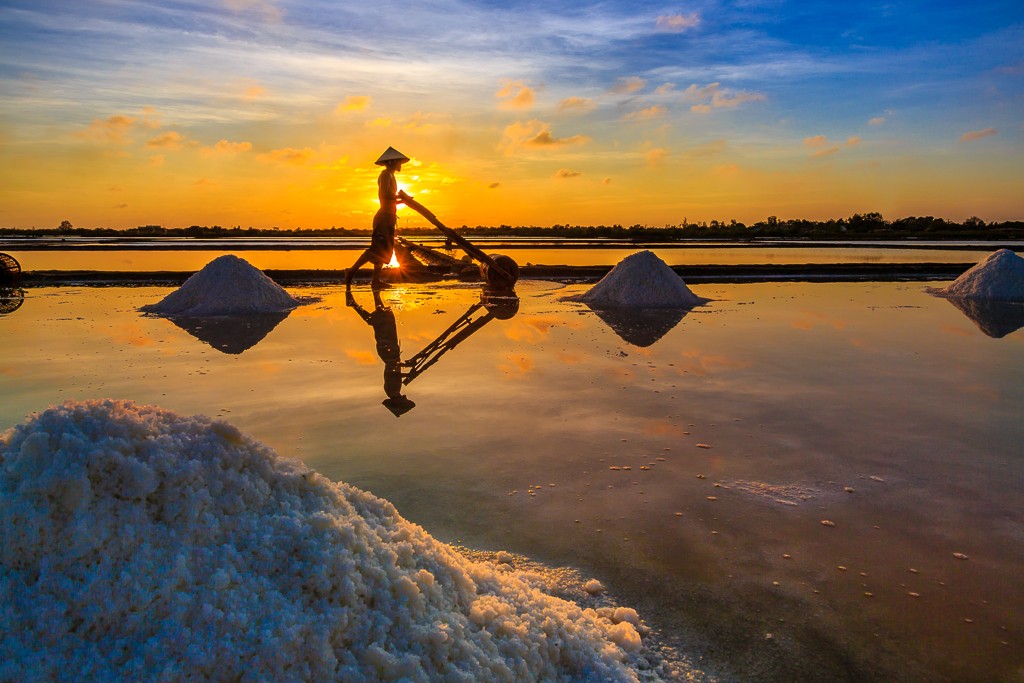
The Ultimate Insider Secret: If you explore the coast near the cliffs of Hang Rái, make your way to the ancient, fossilized coral reef platform at precisely 5:15 AM. Stand on the dark, jagged stone alone as the first light of dawn breaks over the horizon. Below you, the massive waves of the ocean pool into the natural depressions of the ancient reef, creating a series of glowing, miniature salt mirrors that reflect the pink morning sky. Watch the local salt farmers silently enter the distant white salt fields behind you, their wooden rakes catching the first rays of gold light. In that immense, salt-crusted morning air, you will realize you aren't just looking at a beautiful view; you are witnessing a timeless landscape that has remained unchanged through empires, storms, and centuries.

Wednesday, March 14, 2012

Phong Nha: Vietnam’s Spectacular Cave Kingdom Where the Earth Reveals Its Hidden Wonders

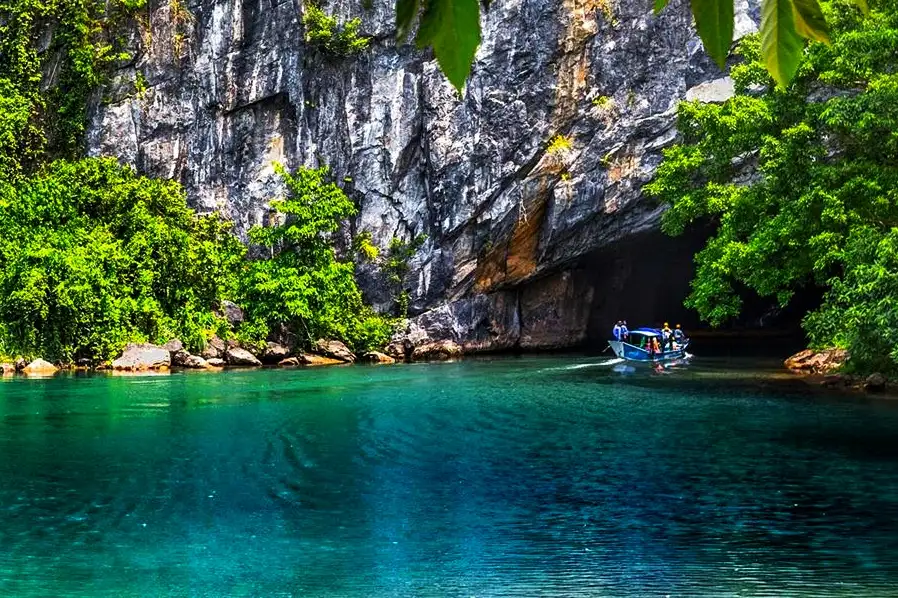
The boat drifts silently into the darkness as your headlamp cuts through the cool, mineral-scented air. Towering stalactites hang like ancient chandeliers above you, while the gentle splash of oars echoes through chambers so vast they seem impossible. In that moment, floating deep inside one of the world’s largest cave systems, you feel wonderfully small — and utterly alive. This is Phong Nha, where the ground beneath your feet holds secrets millions of years in the making.

Tucked in central Vietnam’s Quang Binh province, Phong Nha-Ke Bang National Park has quietly become a must-visit for American and European travelers seeking more than beaches and cities. Its growing popularity stems from having the world’s largest caves, pristine jungle landscapes, and a raw, adventurous spirit that delivers genuine discovery in an era when many destinations feel overly polished.

A World Beneath Your Feet

Phong Nha’s heart beats underground. Son Doong Cave, the largest cave on Earth, is the ultimate bucket-list experience — though only a limited number of explorers are permitted each year. Even its “little sister,” Phong Nha Cave, delivers jaw-dropping beauty with its underground river, massive chambers, and otherworldly rock formations. Paddling through these illuminated caverns while listening to the drip of water from above creates a sense of quiet awe that’s hard to find anywhere else.

Above ground, the Thien Duong Cave (Paradise Cave) offers a more accessible wonder, with boardwalks leading you through a shimmering fantasy of limestone draperies and colossal columns. Hiking through the surrounding jungle to reach these sites adds another layer of magic — the sound of cicadas, the rich scent of wet earth, and the thrill of knowing you’re walking through one of Southeast Asia’s most important biodiversity hotspots.

People Who Live in Harmony With the Land

The local communities around Phong Nha carry a resilient, welcoming spirit shaped by their deep connection to the karst mountains and rivers. Many families have lived here for generations, working as farmers, boatmen, or cave guides. Their warmth feels genuine and unhurried. You might share a simple lunch with a local family after a morning trek, watching them prepare fresh herbs from their garden while children play nearby and elders tell stories of the land.

Traditional customs remain strong, from respectful offerings at small roadside shrines to the rhythmic songs sung during harvest season. There’s a quiet pride in how they protect and share their natural heritage with visitors.

Flavors Straight From the Forest and River

After a day spent exploring caves and trails, the food hits with comforting intensity. Phong Nha’s cuisine is hearty, fresh, and deeply tied to the surrounding nature.

Gather around a wooden table at a family-run homestay and enjoy:

  • Spicy forest chicken stewed with local herbs and chili
  • Fresh river fish wrapped in banana leaves and grilled over charcoal
  • Banh xeo made with wild greens foraged from the mountains
  • Strong, sweet Vietnamese coffee paired with tropical fruits still warm from the tree

Meals here feel personal and abundant, often turning into long evenings of storytelling as the jungle sounds rise around you.

Hidden Treasures Beyond the Famous Caves

While Son Doong and Phong Nha draw attention, the region holds quieter rewards:

  • The serene Nuoc Mooc Eco-Trail, where you can swim in crystal-clear natural pools surrounded by lush forest.
  • Remote villages accessible by short motorbike rides, where life moves at the pace of water buffalo and rice paddies.
  • Lesser-known cave systems perfect for beginner caving experiences with expert local guides.

These spots give you the precious feeling of having the landscape almost entirely to yourself.

The Best Time and Practical Details

The ideal visiting window is from February to August, when the weather is drier and the caves are at their most accessible. The lush green season brings its own dramatic beauty, with waterfalls flowing strongly after rains.

Phong Nha is easily reached by train or a comfortable bus ride from Hue or Da Nang (about 3–4 hours). Once there, hiring a local guide or joining small group tours is the best way to explore responsibly. Accommodations range from charming riverside homestays and eco-lodges nestled in the jungle to comfortable mid-range hotels near the park entrance. Costs remain very reasonable — delicious local meals often cost under $10, while guided cave and hiking experiences offer outstanding value for the adventure they deliver.

A few thoughtful notes: Wear sturdy shoes and quick-dry clothing for cave explorations, respect the fragile cave environment by following your guide’s instructions, and support community-based tourism to help local families benefit directly.

Why Phong Nha Stays With You Long After You Leave

Phong Nha doesn’t just show you impressive caves. It surrounds you with a profound sense of wonder — the cool touch of ancient limestone, the echo of water in vast chambers, the satisfaction of reaching a hidden jungle pool after a challenging hike, and the warmth of sharing rice wine with new friends as fireflies dance in the evening air.

In a country blessed with incredible destinations, Phong Nha stands apart as Vietnam’s ultimate adventure playground — where the Earth itself becomes the main attraction and every day feels like a genuine exploration.

You’ll depart with mud on your boots, stories worth telling for years, and a quiet longing to return to those mysterious underground worlds. This is more than a national park. It’s a place that reminds you how thrilling it feels to be truly amazed.

The caves are waiting in their ancient silence. The jungle is calling. And that life-changing moment deep underground might just be the reason you came to Vietnam in the first place.

Ready to go deeper? Phong Nha is ready for you.

The Vietnamese Island Everyone Will Be Talking About Next Year: Why Phu Quoc Is Having a Global Moment

There are places you visit because they are famous.

And then there are places you visit just before the rest of the world discovers them.

Right now, Phu Quoc belongs to the second category.

While travelers across Europe and North America continue searching for authentic alternatives to overcrowded destinations, this tropical Vietnamese island has quietly become one of the fastest-rising travel stars in the world. Recent travel industry reports have shown dramatic growth in international searches for Phu Quoc, with major global travel platforms identifying the island as one of the most rapidly trending destinations worldwide.

The surprising part?

Many travelers still have no idea what awaits them here.

Imagine an island where jungle-covered hills roll toward turquoise water, fishing villages still wake before dawn, sunsets paint the sky in impossible shades of gold, and some beaches remain almost empty even during peak season.

This is not Bali.

It is not Phuket.

And it is certainly not what most people expect from Vietnam.


The First Thing You Notice Is the Light

Every destination has a signature.

Paris has its cafés.

Kyoto has its temples.

Phu Quoc has light.

The island seems designed to amplify it.

In the early morning, sunlight reflects off fishing boats returning from the sea. By afternoon, the ocean turns shades of emerald and sapphire that look digitally enhanced. Then comes sunset.

Locals often stop what they're doing to watch it.

Visitors find themselves doing the same.

On the island's western coast, the sun slowly sinks into the Gulf of Thailand while fishing vessels drift across the horizon like silhouettes from another century.

No photograph truly captures it.

You have to stand there yourself.


Why International Travelers Are Suddenly Paying Attention

For years, Phu Quoc remained overshadowed by Vietnam's better-known destinations.

That has changed.

Travelers increasingly want three things:

Authenticity.

Natural beauty.

Value.

Phu Quoc delivers all three.

Unlike many tropical islands that have become victims of their own popularity, Phu Quoc still offers moments of genuine discovery. It combines luxury resorts, traditional fishing communities, dense tropical forests, coral reefs, seafood culture, and a surprisingly relaxed pace of life.

For many European and American travelers, it feels like finding Thailand twenty years ago.

Only with fewer crowds.


The Experience That Defines Phu Quoc

Forget the resorts for a moment.

The real magic begins when you board a small wooden boat before sunrise.

The sea is calm.

The air smells faintly of salt and diesel from fishing vessels.

A fisherman points toward the horizon where the sky slowly turns pink.

No music.

No crowds.

Just ocean.

Hours later, you'll return to shore and eat grilled squid so fresh it was swimming earlier that morning.

That single day often becomes the memory visitors talk about most after returning home.


Beaches That Still Feel Wild

Phu Quoc's beaches are one reason international searches have exploded.

Yet each stretch of coastline offers a completely different personality.

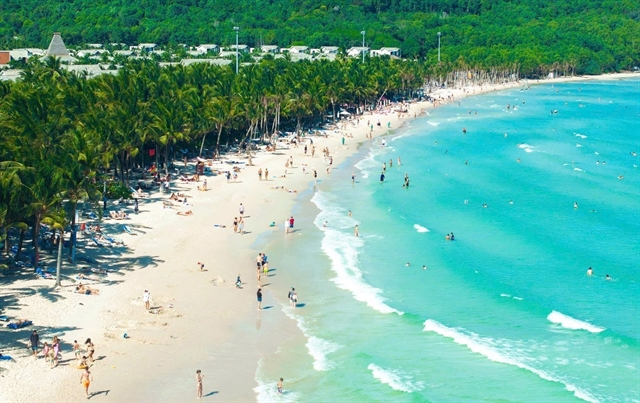
Long Beach is where many travelers begin. Golden sand stretches for miles, lined with cafés, beach clubs, and sunset viewpoints.

For something quieter, venture north.

The beaches become emptier.

Roads narrow.

Palm trees lean toward the sea.

You start to feel like you've discovered a secret.

Then there is Starfish Beach.

The water here is so clear that colorful starfish can often be seen beneath the surface. Arriving early in the morning provides the most magical experience before day visitors appear.

And for travelers seeking solitude, hidden coves around the northern coast offer exactly the kind of tropical escape that has become increasingly difficult to find elsewhere in Southeast Asia.


The Hidden Gems Most Visitors Miss

Many tourists never leave the resort areas.

That is a mistake.

One of the island's most rewarding experiences is exploring its lesser-known corners.

Drive inland and you'll discover pepper farms where generations of families have cultivated some of Vietnam's most prized pepper.

Visit local fishing villages and watch residents repair nets while children ride bicycles along quiet roads.

Explore forest trails inside the island's national park, where giant tropical trees create a canopy that blocks out much of the afternoon sun.

And if you're willing to wake up early, local fish markets offer one of the most authentic glimpses into island life.

The sounds alone are unforgettable.

Engines.

Voices.

Laughter.

The splash of fresh seafood being unloaded.

This is the heartbeat of Phu Quoc.


The Flavor of the Island

If beaches attract visitors, food convinces them to stay longer.

Phu Quoc is a paradise for seafood lovers.

Grilled sea urchin topped with scallion oil.

Sweet local crab.

Fresh oysters.

Squid cooked moments after being caught.

And then there is the island's famous fish sauce.

For centuries, Phu Quoc has produced what many consider Vietnam's finest fish sauce. The production process is both an art and a tradition, passed from generation to generation.

The result appears on dining tables across the country.

Tasting it where it originates is a completely different experience.


The People Who Make the Island Special

Ask travelers what they remember most about Phu Quoc.

Many won't mention beaches.

They'll mention people.

Island residents tend to be remarkably warm, relaxed, and welcoming.

Conversations happen easily.

A restaurant owner may recommend a hidden beach.

A fisherman may invite you to see the morning catch.

A café owner might spend twenty minutes explaining local customs despite a language barrier.

These interactions transform a vacation into something more meaningful.


The Best Time to Visit

The island shines brightest between November and April.

This period offers sunny skies, calm seas, lower humidity, and ideal conditions for swimming, snorkeling, and island-hopping excursions.

December through March is particularly popular among European travelers escaping winter.

The rainy season has its own charm, with lush green landscapes and dramatically fewer visitors, but beach conditions can be less predictable.


Getting There Is Easier Than Ever

One reason Phu Quoc has surged in popularity is accessibility.

International flights connect the island with numerous Asian hubs, while domestic flights from major Vietnamese cities are frequent and convenient. Improved infrastructure has made reaching remote beaches and attractions significantly easier than in previous years.

For many travelers, the journey is now far simpler than reaching some of Southeast Asia's more established island destinations.


What Does a Trip Cost?

One of Phu Quoc's strongest advantages remains value.

A comfortable boutique hotel can cost less than a basic room in many Mediterranean destinations.

Fresh seafood dinners are often surprisingly affordable.

Transportation around the island remains inexpensive.

Luxury travelers can enjoy world-class resorts for a fraction of what similar properties might cost elsewhere.

Budget travelers can stretch their money even further.

Few tropical islands offer this combination of quality and affordability.


Questions Travelers Often Ask

Is Phu Quoc worth visiting?

Absolutely, especially for travelers seeking beaches, nature, seafood, and a more relaxed atmosphere than many famous Southeast Asian destinations.

How many days should you stay?

Four to seven days allows enough time to experience beaches, local culture, food, island excursions, and hidden corners without rushing.

Is English widely spoken?

In tourist areas, generally yes. Learning a few Vietnamese greetings is always appreciated.

Can you swim year-round?

Mostly yes, although sea conditions are best during the dry season.


The Feeling You'll Remember

Years from now, you may not remember the exact name of the restaurant where you ate dinner.

You may forget which beach you visited on your third day.

But you'll remember the feeling.

The warm air after sunset.

The scent of charcoal-grilled seafood.

The sight of fishing boats drifting across a glowing horizon.

The realization that despite all the places you've already seen, the world can still surprise you.

Phu Quoc is not simply another tropical island.

It is one of those rare destinations that arrives in your life at exactly the right moment—before it becomes everyone else's dream trip.

And that may be the best reason to go now.