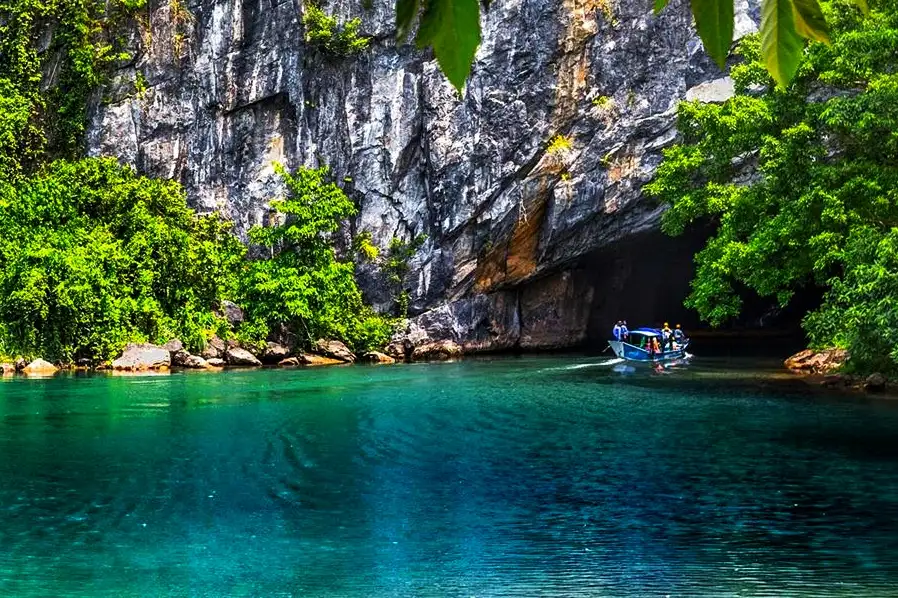
The boat drifts silently into the darkness as your headlamp cuts through the cool, mineral-scented air. Towering stalactites hang like ancient chandeliers above you, while the gentle splash of oars echoes through chambers so vast they seem impossible. In that moment, floating deep inside one of the world’s largest cave systems, you feel wonderfully small — and utterly alive. This is Phong Nha, where the ground beneath your feet holds secrets millions of years in the making.
Tucked in central Vietnam’s Quang Binh province, Phong Nha-Ke Bang National Park has quietly become a must-visit for American and European travelers seeking more than beaches and cities. Its growing popularity stems from having the world’s largest caves, pristine jungle landscapes, and a raw, adventurous spirit that delivers genuine discovery in an era when many destinations feel overly polished.
A World Beneath Your Feet
Phong Nha’s heart beats underground. Son Doong Cave, the largest cave on Earth, is the ultimate bucket-list experience — though only a limited number of explorers are permitted each year. Even its “little sister,” Phong Nha Cave, delivers jaw-dropping beauty with its underground river, massive chambers, and otherworldly rock formations. Paddling through these illuminated caverns while listening to the drip of water from above creates a sense of quiet awe that’s hard to find anywhere else.
Above ground, the Thien Duong Cave (Paradise Cave) offers a more accessible wonder, with boardwalks leading you through a shimmering fantasy of limestone draperies and colossal columns. Hiking through the surrounding jungle to reach these sites adds another layer of magic — the sound of cicadas, the rich scent of wet earth, and the thrill of knowing you’re walking through one of Southeast Asia’s most important biodiversity hotspots.
People Who Live in Harmony With the Land
The local communities around Phong Nha carry a resilient, welcoming spirit shaped by their deep connection to the karst mountains and rivers. Many families have lived here for generations, working as farmers, boatmen, or cave guides. Their warmth feels genuine and unhurried. You might share a simple lunch with a local family after a morning trek, watching them prepare fresh herbs from their garden while children play nearby and elders tell stories of the land.
Traditional customs remain strong, from respectful offerings at small roadside shrines to the rhythmic songs sung during harvest season. There’s a quiet pride in how they protect and share their natural heritage with visitors.
Flavors Straight From the Forest and River
After a day spent exploring caves and trails, the food hits with comforting intensity. Phong Nha’s cuisine is hearty, fresh, and deeply tied to the surrounding nature.
Gather around a wooden table at a family-run homestay and enjoy:
- Spicy forest chicken stewed with local herbs and chili
- Fresh river fish wrapped in banana leaves and grilled over charcoal
- Banh xeo made with wild greens foraged from the mountains
- Strong, sweet Vietnamese coffee paired with tropical fruits still warm from the tree
Meals here feel personal and abundant, often turning into long evenings of storytelling as the jungle sounds rise around you.
Hidden Treasures Beyond the Famous Caves
While Son Doong and Phong Nha draw attention, the region holds quieter rewards:
- The serene Nuoc Mooc Eco-Trail, where you can swim in crystal-clear natural pools surrounded by lush forest.
- Remote villages accessible by short motorbike rides, where life moves at the pace of water buffalo and rice paddies.
- Lesser-known cave systems perfect for beginner caving experiences with expert local guides.
These spots give you the precious feeling of having the landscape almost entirely to yourself.
The Best Time and Practical Details
The ideal visiting window is from February to August, when the weather is drier and the caves are at their most accessible. The lush green season brings its own dramatic beauty, with waterfalls flowing strongly after rains.
Phong Nha is easily reached by train or a comfortable bus ride from Hue or Da Nang (about 3–4 hours). Once there, hiring a local guide or joining small group tours is the best way to explore responsibly. Accommodations range from charming riverside homestays and eco-lodges nestled in the jungle to comfortable mid-range hotels near the park entrance. Costs remain very reasonable — delicious local meals often cost under $10, while guided cave and hiking experiences offer outstanding value for the adventure they deliver.
A few thoughtful notes: Wear sturdy shoes and quick-dry clothing for cave explorations, respect the fragile cave environment by following your guide’s instructions, and support community-based tourism to help local families benefit directly.
Why Phong Nha Stays With You Long After You Leave
Phong Nha doesn’t just show you impressive caves. It surrounds you with a profound sense of wonder — the cool touch of ancient limestone, the echo of water in vast chambers, the satisfaction of reaching a hidden jungle pool after a challenging hike, and the warmth of sharing rice wine with new friends as fireflies dance in the evening air.
In a country blessed with incredible destinations, Phong Nha stands apart as Vietnam’s ultimate adventure playground — where the Earth itself becomes the main attraction and every day feels like a genuine exploration.
You’ll depart with mud on your boots, stories worth telling for years, and a quiet longing to return to those mysterious underground worlds. This is more than a national park. It’s a place that reminds you how thrilling it feels to be truly amazed.
The caves are waiting in their ancient silence. The jungle is calling. And that life-changing moment deep underground might just be the reason you came to Vietnam in the first place.
Ready to go deeper? Phong Nha is ready for you.


0 nhận xét:
Post a Comment