Pages

Tuesday, January 29, 2013

Anyone up for a train ride?


Have you ever been on an overnight train through beautiful, exotic countryside?

Have you ever wanted to travel this way?

Well I most definitely have.
This is one of those things I've dreamed of my whole life, like many people, and in just a few short weeks it's finally going to happen. If you’ve read Nic’s recent blog post you’ll know that we will be travelling from Hanoi to Lao Cai by overnight train and then on to Sapa for the Capilano U / PATA Foundation tourism training project.

We'll be buying our tickets from Footprint Vietnam Travel, an amazing company who was started in 1999, by two entrepreneurial students from Hanoi Open University.  Footprint has become known for taking you “off the beaten path” to truly experience the culture and what Vietnam is all about. They have also been touted as a leader in responsible tourism What ever type of trip you're looking for they offer; cruise tours, trekking tours, cycling tours, community based tours, volunteer tours and so much more! 

Maybe Footprint Vietnam Travel can make your travelling dreams come true too?

Thanks Footprint for your continued support of the project and in the villages! 

Sunday, January 27, 2013

Colours of The Red Dao


Last night I was inspired to get creative so I got out my art supplies and made a new entry in my art journal. It is the first of many that will be dedicated to my Vietnam adventure. The profile picture on the CBT Facebook page(pictured below) is what inspired me to create my journal entry (pictured above). It shows beautiful hand embroidered clothing worn by traditional Hill tribe Red Dao Women of Ta Phin.


My Journal entry took me a couple hours but the hand-made embroidery takes the women five to six months! Their detailed work is all done by memory and each woman makes a new set of clothes for her family once a year and the old set becomes the clothes for farming.

Take a moment and try to imagine what it would be like to have just two sets of clothes. Imagine how different our culture would be if we too let go of material possessions and, like the Red Dao, valued family and community instead.


Friday, January 25, 2013

Bac Ha Market - Sapa

Bac Ha Market
Every Sunday, Bac Ha hosts the biggest fair near the mountainous highlands and the Chinese border. It is the largest and most colourful market in the area and attracts throngs of villagers from the surrounding hill tribes. Some walk several hours for the weekly opportunity to trade and barter food, animals, clothes and household goods. 80km from Sapa, Bac Ha Market is not only the place for buying and selling, but also a place for cultural and sentiment exchanging. On the market days, right from the early morning, all paths and mountain roads are full of people and horses pouring to the market. People usually sit in groups around a soup pan ("thang co") eating and chatting.

Many different ethnic groups such as Flower H'mong, Phu La, Black Dao, Tay and Nung minorities gather to buy and sell local products that cannot be found elsewhere. The market was very crowded, local products for sale or barter are carried on horseback. Besides the usual items like pigs, cows, chickens, and ducks, Bac Ha Market sold dogs. As dogs were available as cuts of meat, they were also available live, right next to the live pigs, chickens, and other livestock. There was a brisk trade at the market for everything from hand-embroidered skirts to all manner of 4-legged animals. The "fresh" meat section is not for the faint of heart and might steer more than a few visitors in the direction of strict vegetarianism.

Though tourists were not in short supply, they were not the focus. Most locals paid little attention to them, rather choosing to focus on their business and the short Sunday-sized window of opportunity. Rounding the corner and pungent fumes of alcohol accosted your senses of smell, from corn whiskey – the speciality in Bac Ha. The potent moonshine is decanted by vendors from large white plastic jugs to used bottled water containers. If you doubt the ability of a vendor's hooch to peel paint or light your senses on fire, you can try a shot for free.
If you are an adventurous gastronomies, you can try “Thắng Cố” (Blood poridge, a popular dish of H’Mong and others local people. Most of the Flower H’Mong minority here so the market dress of colourful custumes of H’Mong people.

From Sapa town, on the early morning Sunday you can take a bus to go Bac Ha Market before you get back to Lao Cai and get your train back to Hanoi. Or maybe you should go to Bac Ha on Saturday morning to Bac Ha town and have a chance to visit Coc Ly market as well.

Things you should buy here:
Homemade products such as brocades, febrics, crafts, or silver Jewery...


Other news:
Lung Phin Market
Coc Ly Market
Can Cau Market
Pha Long Market
Muong Hun Market

Wednesday, January 23, 2013

Unlocking Okinawa: Japan’s Subtropical Sanctuary Where Time Slows and Life Feels Eternal

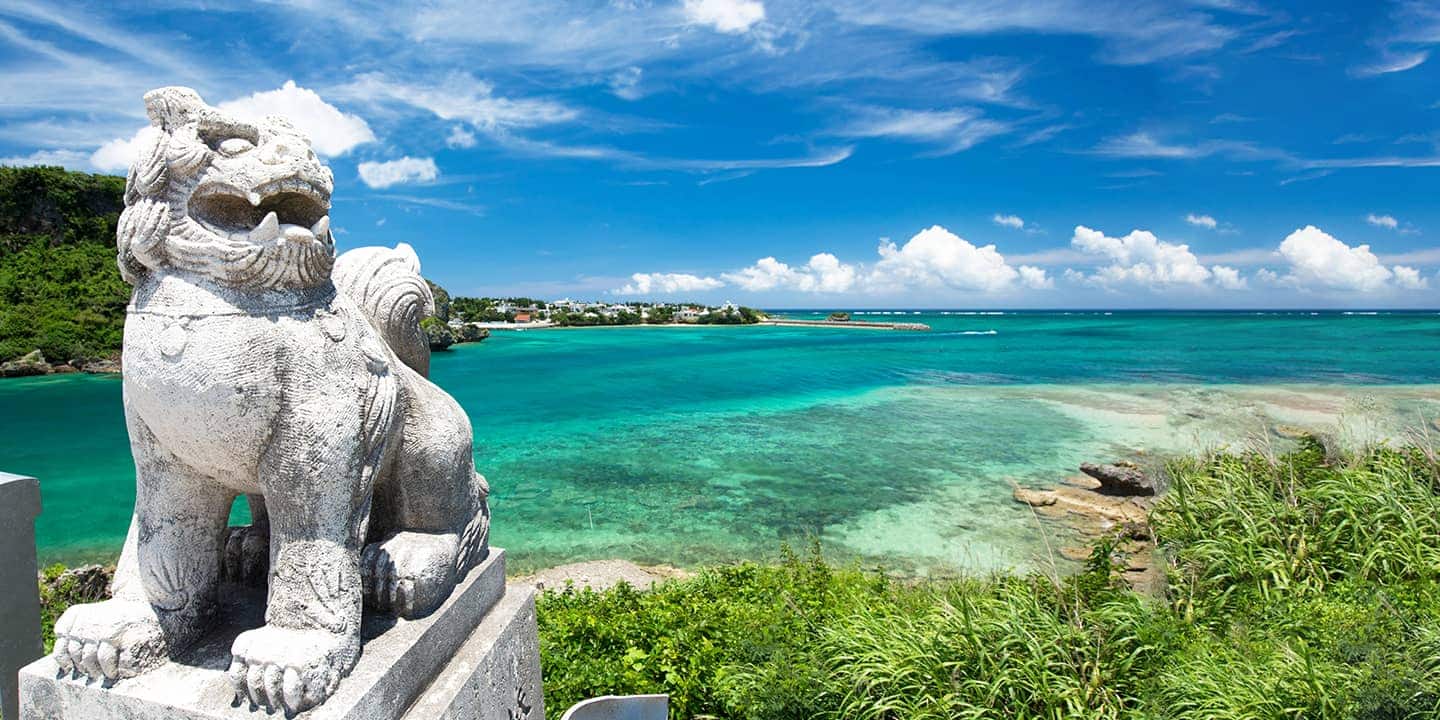
The first thing that hits you as the plane descends toward Naha is the color of the sea—a shifting palette of turquoise and sapphire that seems almost too vivid to be real. You press your forehead to the window, and for a moment, the usual airport fatigue melts away. This isn’t the Japan of bullet trains and neon megacities. Okinawa feels like a world apart, a chain of islands where the Ryukyu Kingdom’s ancient spirit still whispers through coral reefs, dense jungles, and villages where centenarians ride bicycles to the market with effortless grace.

In 2026, travelers are craving exactly this: a slower rhythm, deeper connections, and places that restore rather than exhaust. Okinawa delivers. Searches have surged as people seek its Blue Zone credentials—those rare pockets of the world where people routinely live past 100, thanks to a potent mix of diet, community, and unhurried living.

Stepping Into a Different Japan

Imagine landing and immediately shedding the layers—both literal and metaphorical. Okinawa’s subtropical climate wraps around you like a warm embrace. Locals move with a gentle confidence that stems from a history of navigating empires. As the independent Ryukyu Kingdom for centuries, the islands absorbed influences from China, Southeast Asia, and beyond through vibrant trade, forging a culture that is distinctly its own: vibrant bingata textiles dyed in brilliant natural pigments, the soulful twang of the sanshin three-stringed lute, and kumi-odori dances that tell stories of gods and ancestors.

The people here embody yuimaru—a spirit of mutual help and community that feels palpably alive. Strike up a conversation at a roadside stand, and you might find yourself invited to share homemade awamori, Okinawa’s potent distilled spirit aged in earthenware pots, or taste-test the latest batch of bitter melon. There’s a quiet resilience and warmth; conversations flow easily, laced with laughter and practical wisdom passed down through generations who have weathered typhoons, wars, and waves of change.

Sensory Overload in the Best Way

Wake up to the scent of salt air mixed with blooming hibiscus. Head north to the Yanbaru forests—lush, UNESCO-listed woodlands where ancient banyans twist like living sculptures and the air hums with birdsong. Hike trails where you might spot the elusive Okinawa rail or simply sit by a hidden waterfall, letting the mist cool your skin.

Then there are the beaches. Not the overcrowded kind, but powdery stretches like those on the Kerama Islands, where the water is so clear you can watch tropical fish dart around your ankles without a mask. Snorkel or dive the vibrant reefs teeming with coral gardens that feel like underwater cathedrals. In quieter coves, you’ll discover hidden gems: secret tide pools perfect for solo reflection or a private picnic as the sun dips low, painting the horizon in fiery oranges.

For something more introspective, visit the Valley of Gangala. Guided walks here weave through limestone caves and sacred sites tied to indigenous beliefs, where legends of forest spirits and ancient rituals still linger. It’s the kind of place that makes you pause and feel the weight—and wonder—of deep time.

Flavors That Tell a Story

Okinawan food is fuel for longevity and pure joy. Forget delicate sushi; here, meals are hearty, colorful, and deeply satisfying. Goya champuru—bitter melon stir-fried with tofu, eggs, and pork—delivers a satisfying crunch and subtle bitterness balanced by umami. Slurp Okinawa soba noodles in a rich broth, topped with tender slices of pork belly. Fresh seafood shines: grilled mutsu fish or sashimi so vibrant it practically sparkles.

Don’t miss sata andagi, dense, sweet doughnuts best enjoyed warm from a street vendor, or a glass of Orion beer as the evening breeze kicks up. Markets in Naha buzz with energy—stalls overflowing with tropical fruits, pickled vegetables, and the famous purple sweet potatoes that turn everything a vivid lavender. Eating here isn’t just sustenance; it’s participation in a living tradition of health and hospitality.

Practical Magic for the Journey

The best time to visit stretches from April to October for beach perfection, though shoulder months like May or October offer fewer crowds and comfortable warmth. Winters are mild enough for exploration without the summer humidity.

Getting around is straightforward. Fly into Naha Airport (direct international options are growing, with affordable connections from major Asian hubs and the US West Coast often under $1,000 round-trip if booked ahead). Rent a car for freedom—roads are well-maintained and driving is on the left—or use buses and taxis. Ferries connect the outer islands for those craving even more seclusion.

Accommodations range from boutique resorts perched over the sea to family-run guesthouses where breakfast might include homemade jams from local fruit. Expect mid-range comfort around $80–200 USD per night, with street food and local meals keeping daily costs refreshingly accessible—often $30–50 for excellent eating.

Key tips: Respect sacred sites (many have quiet protocols), stay hydrated in the humidity, and embrace the slower pace—rushing defeats the purpose. English is spoken in tourist areas, but a translation app helps in local spots. Typhoon season (summer) calls for flexible plans, but the rewards of clear post-storm skies are unmatched.

Why Okinawa Lingers Long After You Leave

This isn’t a checklist destination. It’s where you’ll find yourself lingering over a sunset, chatting with a fisherman who’s lived through decades of change yet still finds joy in the simple cast of his line, or waking up feeling inexplicably lighter. The blend of raw natural beauty, profound cultural depth, and that unmistakable aloha-like warmth creates moments that rewire your sense of what travel can be.

In a world that moves too fast, Okinawa invites you to breathe deeper, eat better, and connect more meaningfully. You’ll return home carrying the taste of bitter melon on your tongue, the echo of sanshin strings in your ears, and a quiet determination to bring a little more yuimaru into your own life.

Book the ticket. Clear your calendar. The islands are waiting—and something tells me they’ve been waiting just for you. What are you really waiting for?

Tuesday, January 22, 2013

Where the Granite Bleeds Sapphire: The Secret Fishing Hamlets, Arctic Light, and Maritime Rhythms of Norway’s Lofoten Archipelago

You know you have arrived at the edge of the human world when the scent of freezing saltwater is suddenly overridden by the sharp, rich tang of drying cod hanging on thousands of outdoor wooden racks. If you stand on the wet granite rocks of Reine at precisely five o'clock on a September afternoon, your internal clock is reset by the sheer geography of the European North. Behind you, towering walls of prehistoric granite shoot straight out of the Vestfjorden like jagged black teeth, their peaks scraping a low-hanging canopy of violet and slate-grey clouds. Below, the water is so shockingly transparent that you can trace the movements of individual sea anemones swaying forty feet down in the icy depths.

This is the Lofoten Archipelago, a spectacular chain of islands draped across the Norwegian Sea, well inside the Arctic Circle. For centuries, this brutal landscape was known only to the hardiest Viking fishermen who braved the world's most ferocious marine currents for the winter cod harvest. Today, a profound shift is occurring in global exploration desires. Discerning international travelers are turning their backs on the sweltering, hyper-commodified beaches of southern Europe. Instead, search trends are spiking dramatically toward this sub-arctic archipelago—a destination where nature refuses to be tamed, and where luxury is measured not by gilded hotel lobbies, but by absolute sensory isolation, ancient maritime heritages, and the raw poetry of the wild elements.

The Architecture of Salt and Cod: The Rorbu Living History

To stay in Lofoten is to live inside the very industry that built it. Unlike any other destination in Scandinavia, lodging here is a masterclass in cultural preservation. Dotting the coastlines of villages like Nusfjord and Å are rorbuer—traditional 19th-century fishermen’s cabins built on wooden stilts directly over the tidal shoreline. Historically painted a deep, brilliant crimson (a color created by mixing cheap cod-liver oil with red iron oxide), these timber cabins allowed historical fishermen direct access to their boats while keeping them clear of the freezing, rocky terrain.

Stepping across the threshold of a meticulously restored rorbu is a tactile revelation. Run your fingers over the rough-hewn pine logs, smoothed by generations of oil skin jackets and saltwater mist. The interior space smells faintly of old sea-salt, wood smoke, and aged timber, maintaining a warm, windproof stillness that instantly cocoons you from the roaring gales outside.

The social identity of Lofoten is fiercely tied to this maritime existence. The local islanders—the Lofotingen—are defined by a quiet, stoic warmth, shaped by generations of facing the mercurial arctic seas. They possess a dry, sharp wit and look at the ocean not with fear, but with an inherited, deep understanding. Here, old customs are alive. Walk past the harbor in Henningsvær, and you will see parents teaching children the precise art of cutting cod tongues—a prized local delicacy and a traditional rite of passage that connects the youth directly to their ancestors' trade.

Hidden Emerald Sands and the Ghostly Call of the Mountain Passes

While the iconic view of Reinefjorden dominates modern photography, the true seeker of raw wilderness moves off the asphalt of the E10 highway to find Kvalvika Beach, often called the "Whale Beach." Reached only by a two-hour hike over a steep, sod-covered mountain pass, the moment you crest the ridge is a dizzying assault on the senses. Before you lies a vast, crescent moon of white quartz sand bounded by two massive, vertical cliffs of black granite that frame the roaring, turquoise swells of the open Atlantic.

Walking down onto the damp sand, the scale of the landscape completely humbles the human ego. The air here tastes intensely salty, leaving a crisp film on your skin as the arctic wind sweeps off the polar ice caps. The defining moment of the trek occurs if you climb the adjacent peak of Ryten just as the sun begins its slow, late-summer descent, painting the entire ocean in shifting shades of hammered silver and pale amber.

For a completely secret sanctuary, charter a small ribs-boat into the narrow, dark mouth of Trollfjord. As the vessel slides between vertical rock walls that rise three thousand feet directly above your head—so close you can almost touch the cold, dripping stone with your palm—the engines are cut. The silence that follows is massive, punctuated only by the distant, echoing roar of melting glacial waterfalls and the piercing cry of white-tailed sea eagles nesting in the high crags above.

The Culinary Magic of the Winter Catch and Sub-Arctic Foraging

Lofoten’s gastronomy is an elegant testament to seasonal endurance, completely shunning complex imported sauces to let the pure, cold-water minerals of the Norwegian Sea take center stage. This is a kitchen defined by the extreme purity of its ocean and the sudden abundance of the short arctic summer.

The absolute pinnacle of this culinary heritage is Skrei—the migrating arctic cod that travels thousands of miles from the Barents Sea to spawn in Lofoten’s warm volcanic currents between January and April. Fresh Skrei is traditionally poached within hours of being pulled from the longlines, served simply alongside its own roe and liver in a dish known as Mølje.

However, if you visit during the summer or autumn months, the focus shifts to Tørrfisk (Stockfish). Left to dry on giant wooden pyramids for months in the cold, salt-laden sea breeze without salt or smoke, the fish undergoes a natural fermentation process that concentrates its flavors to an intense, umami-rich depth. When cooked by a local chef inside a cozy harbor bistro, the stockfish is rehydrated and grilled over birchwood coals, served with a velvety purée of local yellow peas, crispy dry-cured bacon, and boiled potatoes grown in the sandy soil of Gimsoy.

The flavor profile is incredibly complex—the fish is firm, sweet, and deeply savory, holding a distinct clean whisper of the ocean breeze that dried it. Pair this historic dish with a glass of local cloudberry cider or a rich Scandinavian aquavit infused with caraway seeds to warm your throat against the evening chill.

An Explorer's Practical Blueprint for the Arctic Isles

Navigating this jagged, island-hopping frontier requires throwing away rigid, fast-paced city schedules and surrendering to the local philosophy of Værfast—the calm acceptance of being happily "weather-bound" when the arctic elements decide to reclaim the landscape.

Optimal Timing and Seasonality

To experience the high mountain trails and the surreal phenomenon of the Midnight Sun, visit between late May and mid-July, when twenty-four hours of continuous golden daylight allow you to hike mountain ridges at 2:00 AM. For those seeking the ethereal dance of the Aurora Borealis (Northern Lights), the prime window shifts to September through March, when the dark nights turn the sub-arctic sky into a moving canvas of glowing green and violet ribbons.

Movement and Logistics

Most international voyagers fly into Oslo Airport (OSL) and take a domestic connection to Bodø Airport (BOO). From Bodø, the most dramatic approach is the three-hour car ferry across the wild Vestfjorden straight into Moskenes. Bypassing public buses is essential; exploring the hidden trailheads and isolated fishing outposts requires renting a sturdy, all-wheel-drive vehicle. The roads are engineering marvels of single-lane bridges and deep sea-tunnels, requiring calm, focused driving and a constant awareness of sheep grazing along the asphalt.

Financial Coordinates and Accommodations

  • Historic Waterfront Rorbuer: A premium overnight stay inside a luxury, historically preserved fisherman's cabin featuring modern Nordic amenities, private piers, and wood-burning stoves ranges from $220 to $380 per night.

  • Arctic Coastal Dining: A comprehensive multi-course dinner celebrating fresh stockfish, wild whale steak, or arctic venison paired with regional ciders averages $65 to $110 per person.

  • Sea Eagle RIB Safaris: A three-hour high-speed boat expedition into Trollfjord to witness sea eagles hunting wild herring costs roughly $85 to $140 per guest.

Critical Cultural Codes and Ecological Protocols

The people of Lofoten live in a delicate balance with one of the most fragile eco-systems on earth. Understanding their local protocols ensures your presence supports the preservation of this wild frontier.

Respecting the Archipelago Life

  • The Law of the Fish Racks: The massive timber fish-drying racks (hjell) that line every village are private agricultural property and the economic livelihood of the islanders. Never climb on the racks or touch the hanging fish for a photograph; it is considered a severe violation of communal trust.

  • The Footprint of Wild Camping: Due to the massive spike in summer visitors, wild camping is strictly regulated in the islands. Traditional coastal grasses take decades to recover from tents. Always utilize designated eco-campsites and leave absolutely no trace behind.

  • The Power of the Tides: The waters of Lofoten, particularly the infamous Moskenstraumen whirlpool, feature some of the strongest marine currents in the world. Never swim in unmarked ocean bays or walk onto low, wet coastal rocks where rogue swells can easily sweep a person into the freezing sea.

A One-Day Immersive Itinerary: The Passage of Light and Sea

For the voyager looking to experience the absolute distillation of Lofoten’s Viking history, dramatic peaks, and coastal fire within twenty-four hours, this plan maximizes every sensory transition.

  • 06:00 AM – The Crimson Harbor Wake-up: Wake up inside your stilted rorbu cabin in Nusfjord. Step onto the cedar deck to watch the morning light strike the red wooden facades while the tide laps gently against the supporting stilts.

  • 08:30 AM – The Nordic Hearth Breakfast: Savor a traditional breakfast of dark rye bread, soft goat's cheese (Brunost), pickled herring, and strong black coffee beside a crackling stove.

  • 10:30 AM – The Granite Ascent: Drive north along the E10, crossing the architectural sea bridges to reach the trailhead of Reinebringen. Climb the stone steps to absorb a panoramic vista of the archipelago curling into the dark ocean.

  • 01:00 PM – The Fisherman's Midday: Stop at an old timber bakery in the village of Å. Indulge in a warm, stone-oven cinnamon bun (kanelbolle) infused with crushed cardamom, baked using a century-old recipe.

  • 03:30 PM – The Hunt of the Sea Eagle: Board a high-speed RIB boat from Svolvær, cutting through the freezing spray into Trollfjord to watch giant white-tailed eagles dive for fresh fish right beside the boat.

  • 06:30 PM – The Taste of the Stockfish: Take a table at a candlelit harbor warehouse bistro. Watch the chef presentation of pan-seared stockfish served with caramelized bacon fat and local root purées.

  • 10:00 PM – The Celestial Neon Dance: Walk out onto the lonely, dark sands of Utakleiv Beach. Sit on the smooth ocean boulders and look up as the first green ribbons of the Northern Lights begin to crackle and dance across the silent mountain peaks.

The Three-Day Master Plan: Unlocking the Ultimate Sub-Arctic Rhythm

This comprehensive three-day progression allows you to cast off your urban routine completely, moving deep into the geographic heart and spiritual soul of Norway's wild islands.

Day 1: The Red Hamlets and the Fermented Umami

Arrive via the Moskenes ferry and check into your historic waterfront cabin in Reine. Spend your morning walking through the living museum village of Å, learning how the cod trade shaped the language and laws of the north. For lunch, stop at a harbor dock to sample hot fish cakes prepared directly on a fishing boat.

In the afternoon, drive the dramatic coastal switchbacks to Nusfjord, exploring one of Norway's oldest preserved fishing ports. Spend your evening gathering around a long wooden table, savoring a dinner of grilled arctic cod and cloudberry cream as the twilight turns the fjords a deep shade of sapphire.

Day 2: The Emerald Beaches and the Bird Kingdoms

Rise early to witness the low sun lighting up the massive granite walls of Flakstad. Dedicate your morning to trekking over the moss-draped passes toward Kvalvika Beach, walking the empty white sands and listening to the thunder of the Atlantic. For lunch, enjoy a rustic picnic of air-dried reindeer meat, local blue cheese, and flatbread on a high grass bluff overlooking the surf.

In the afternoon, travel to the artistic village of Henningsvær, exploring the local galleries built inside old caviar factories. Conclude your evening with a meal of slow-roasted lamb loin at a contemporary coastal kitchen, sipping local craft beers brewed from pure glacial water.

Day 3: The Troll Gorges and the High Sky Aurora

Spend your final day embracing the wild, isolated northern reaches of the archipelago. Drive your vehicle through the deep sea-tunnels toward Svolvær, embarking on a private boat journey deep into the vertical shadows of Trollfjord.

Enjoy a simple lunch of hot fish soup seasoned with wild sea-herbs on the deck of the vessel. In the afternoon, explore the ancient Viking longhouse reconstruction at the Lofotr Viking Museum in Borg, running your hands over the heavy tarred timbers. Conclude your ultimate arctic journey with an elite dining experience at your lodge, savoring a tasting menu centered around cured whale meat, foraged berries, and premium Scandinavian spirits as the night sky ignites with the emerald fire of the Aurora.

The Final Verdict

To travel into the Lofoten Islands is to realize that the most profound journeys are those that take us to the places where the earth speaks in its most basic, powerful languages: stone, salt, ice, and fire. This is not a passive holiday destination designed for generic, predictable luxury; it is a territory of immense physical character that challenges your concept of comfort, sharpens your senses, and rewards you with a clarity of spirit that is impossible to find in the crowded cities of the modern world. It is a place where you can sleep inside a room that has sheltered sea-captains for a hundred years, watch prehistoric birds hunt beneath three-thousand-foot cliffs, taste food cooked by the natural fermentation of the sub-arctic air, and share a quiet moment of connection with a landscape that has broken empires but welcomed the humble traveler.

The black ridges and emerald waves of this Norwegian frontier remind us of what travel felt like before the world became fully enclosed—an authentic, deeply emotional encounter with the raw, beautiful mystery of a planet that still knows how to preserve its most extraordinary landscapes. Do not spend another year planning trips to destinations that have traded their identity for convenience. The red cabins, deep fjords, and dancing lights of this arctic wall are waiting for you, and you need to experience this place for yourself.

The Salt of the Earth: Chasing the Terracotta Light, Ancestral Weaving, and Ancient Cloud Forests of Jujuy, Argentina

Imagine standing on a blindingly white expanse of salt so flat that it erases the horizon, watching the late afternoon sun ignite a jagged amphitheater of mountains in impossible shades of purple, saffron, and oxidized copper. Up here, on the high Altiplano of northwestern Argentina, the modern world does not just quiet down—it completely surrenders to deep, geological time. The air hits your lungs with a sharp, thin, crystalline purity, carrying the crisp scent of dry mountain minerals, wild sage (chachacoma), and the faint, sweet smoke of cedarwood fires floating from sun-baked adobe villages.

This is the province of Jujuy, an ancient, high-altitude borderland that feels worlds apart from the European avenues of Buenos Aires. Historically the southern extension of the Inca Empire and a vital link along the old Spanish trade route, Jujuy is currently undergoing a massive surge in global travel interest. Discerning international travelers are consciously pivoting away from over-commercialized Alpine resorts and predictable coastal paths. They are seeking out territories defined by raw, untouched landscapes, ancient indigenous traditions, and a sensory intensity that forces absolute presence. Jujuy is experiencing a sharp rise in search volume as a premium frontier for those craving profound slow travel and deep cultural roots.

The Palette of Prehistory: The Quebrada de Humahuaca

To experience Jujuy is to witness a landscape painted by the hand of a dramatic creator. Running through the heart of the province is the Quebrada de Humahuaca, a vast mountain rift valley carved by the Rio Grande over millions of years and designated a UNESCO World Heritage site. This is not a valley of soft greens; it is an arena of exposed earth where mineral layers have been thrust into the sky by tectonic collisions.

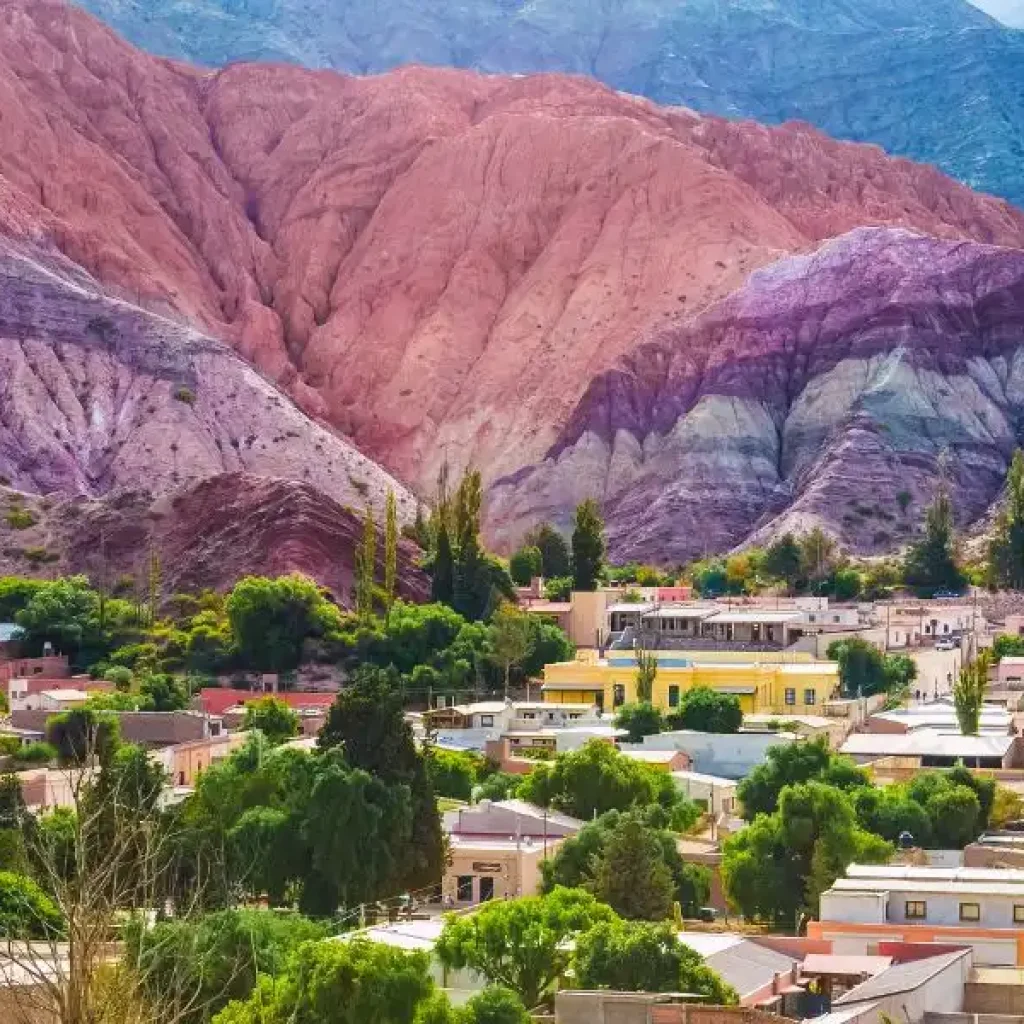
The most extraordinary manifestation of this geological drama is the Serranía de Hornocal, often called the Fourteen-Colored Mountain. Reaching an elevation of over 14,000 feet, this massive, limestone wave formation glitters in sharp zig-zag stripes of ochre, iron red, stark white, and cobalt grey. Running your hand over the dry, fragmented slate at its base, you feel the incredible friction of the earth’s crust.

The social identity of the valley is deeply intertwined with this mineral soil. The local inhabitants—predominantly of Quechua and Aymara descent—possess a quiet, weathered dignity. They move through the steep, narrow cobblestone lanes of villages like Tilcara and Purmamarca with an unhurried grace. They speak in soft, rhythmic tones and maintain a profound, protective connection to Pachamama (Mother Earth). Here, the ancient traditions are not staged for performance; they are lived daily. You will see local farmers pouring a few drops of corn beer into the soil before planting, an ancestral offering to thank the earth for its sustenance.

Sun-Blinded Horizons and the Ghostly Cloud Forests

While the kaleidoscope colors of Purmamarca’s Seven-Colored Hill command immediate attention, the true seeker of absolute sensory isolation journeys further northwest across the high mountain passes to reach the Salinas Grandes. Covering over eighty square miles of a dried prehistoric lake bed, this high-altitude salt desert is a dazzling, hyper-reflective mirror of stark white under a deep, cobalt sky.

Wading out onto the geometric salt crusts, your depth perception is completely undone. The silence is absolute, broken only by the crunch of salt crystals under your boots. The defining moment of the trek happens when you approach the turquoise mining pools (ojos de mar), where deep subterranean water bubbles up through the white crust, creating a vivid, glowing blue eye in the middle of the blinding plains.

For an experience completely removed from conventional paths, descend the eastern slopes of the Andes into the hidden paradise of Calilegua National Park. Here, the arid desert landscape abruptly dissolves into the Yungas—a dense, mist-shrouded subtropical cloud forest. Trekking through paths lined with giant ferns, ancient moss-draped laurels, and wild orchids, the air turns heavy, warm, and hyper-oxygenated. The forest floor is alive with the calls of over three hundred species of tropical birds and hidden jaguars, creating a sensory transition from desert ash to emerald jungle that feels completely surreal.

The Alchemy of the Adobe Oven and Andean Umami

Jujuy’s gastronomy is a brilliant lesson in high-altitude agricultural endurance, stripping away continental presentation to highlight the robust, earthy properties of native crops that have sustained life here for thousands of years.

The definitive culinary experience of the valley is the Empanada Jujeña, cooked inside a dome-shaped earthen adobe oven (horno de barro). Hand-chopped, pasture-raised beef or tender llama meat is seasoned with sweet onions, green scallions, boiled egg, cumin, and a subtle touch of spicy ají pepper, wrapped in a flaky, lard-infused dough. Baked over glowing hardwood embers, the pastry forms a blistered, golden crust.

When the hot empanada is handed to you inside a rustic, stone-walled peña (local folk music tavern), the aroma is immediate and intoxicating—a cloud of caramelized wood-smoke, savory meat juices, and warm cumin spice. The meat is exceptionally tender and juicy, carrying a clean, mineral flavor that perfectly carries the robust heat of the wood fire.

Pair this rustic feast with a plate of Humitas—fresh corn paste ground by hand, mixed with goat cheese and wild basil, wrapped in corn husks and steamed to a silky, pillowy texture. For a main course, indulge in slow-cooked llama steak served with a medley of native Andean potatoes (papas andinas), which grow in hundreds of shapes and colors in the rocky mountain soils, offering a nutty, buttery depth that tastes deeply of the earth itself. Conclude the meal with a glass of high-altitude Torrontés wine from the nearby valleys, delivering a crisp, floral acidity that cuts through the rich oils of the food perfectly.

An Explorer’s Tactical Blueprint for the High Frontier

Navigating this vertical, unpaved landscape requires discarding rigid urban schedules and surrendering to the local pace of the mountains, where paths are dictated by altitude and the midday sun.

Optimal Timing and Seasonality

The master window for discovering Jujuy runs from May to October, during the dry winter season. The daytime skies are cloudless and brilliant, averaging a comfortable 20°C, making it perfect for mountain trekking and photography. However, the high Altiplano altitude brings a freezing drop in temperature as soon as the sun dips below the ridges, requiring heavy wool and cashmere layers for the evenings.

Movement and Logistics

The primary international gateway involves flying into Buenos Aires (EZE/AEP) and taking a direct two-hour domestic connection to Gobernador Horacio Guzmán International Airport (JUJ) in San Salvador de Jujuy. From there, avoid public transit and standard sedans completely. Navigating the steep switchbacks of the Cuesta de Lipán and the unpaved mountain tracks requires securing a rugged, high-clearance four-wheel-drive vehicle.

Financial Coordinates and Accommodations

  • Boutique Adobe Eco-Lodges: A premium stay inside a luxury boutique hotel built of local stone and adobe in Purmamarca or Tilcara, featuring private terraces facing the colored hills, heated floors, and llamas roaming the grounds, ranges from $190 to $320 per night.

  • Altiplano Fine Dining: A multi-course dinner at a high-end regional restaurant, celebrating llama carpaccio, native potatoes, and boutique Torrontés or Malbec wine pairings, averages $40 to $70 per person.

  • Private Guided High-Altitude Treks: A full-day, private guide-led expedition up to the Hornocal viewpoints or through the hidden paths of the Yungas forest costs roughly $80 to $140 per guest.

Critical Cultural Codes and Mountain Protocol

The communities of northwestern Argentina possess a quiet, deeply rooted pride and a social framework that has protected their culture for centuries. Respecting these subtle cultural rules converts you from an intrusive traveler into an honored guest.

The Etiquette of the Mountains

  • The Sacred Offerings: When hiking through high passes, you will frequently see apachetas—conical mounds of stones built beside the trail. These are sacred altars to Pachamama. Never disturb the stones or kick them. If you wish to show respect, you can place a small clean stone onto the mound, or leave a few wild sage leaves as an offering for safe passage.

  • The Protocol of Photography: The local indigenous people, particularly the elder weavers in traditional bowler hats and colorful shawls, value their privacy deeply. Never point a camera at a resident or their children without asking politely first ("¿Puedo tomar một foto?"). A genuine conversation and a respectful request are highly appreciated.

  • The Management of Altitude: The rapid ascent from the valley floor to the high Altiplano plains (often exceeding 11,000 feet in an hour) challenges the human body. To avoid altitude sickness (soroche), avoid alcohol and heavy fats on your first day, drink plenty of water, and sip traditional mate de coca (hot tea infused with whole coca leaves), which stimulates blood circulation and eases respiration naturally.

A One-Day Immersive Itinerary: The Descent into Salt and Saffron

For the traveler looking to experience the perfect distillation of Jujuy’s geological drama, indigenous flavors, and high-altitude silence within twenty-four hours, this strategic blueprint maximizes every transition.

  • 06:30 AM – The Pastel Ridge Awakening: Wake up early inside your stone-walled lodge in Purmamarca. Step outside to watch the morning sun hit the Seven-Colored Hill, seeing the mineral layers transform from cold greys into brilliant shades of pink, yellow, and terracotta.

  • 08:30 AM – The Earth-Mother Dawn: Enjoy a rustic breakfast of warm goat cheese empanadas, native corn flatbreads, and fresh seasonal fruits, washed down with hot mate de coca.

  • 10:00 AM – The Ascent of the Giant Pass: Drive your 4x4 up the dramatic switchbacks of the Cuesta de Lipán, climbing past grazing herds of wild vicuñas to reach the high-altitude mountain pass.

  • 12:30 PM – The Blinding White Mirror: Arrive at the Salinas Grandes. Walk out onto the vast salt crust, staring down into the glowing turquoise waters of the mining pools in the middle of the desert.

  • 02:30 PM – The Valley Soba Feast: Return to the valley town of Tilcara for lunch. Enjoy a comforting bowl of slow-simmered llama stew with native purple potatoes and wild herbs at a local stone tavern.

  • 04:30 PM – The Fortress Prehistory: Walk through the prehistoric ruins of the Pucará de Tilcara, an ancient stone fortification built by the Omaguaca tribe, looking out over the massive cacti and red valley floor below.

  • 07:30 PM – The Feast of the Adobe Hearth: Settle into a candlelit peña tavern as local musicians pick up their pan flutes and charangos. Devour hot empanadas pulled straight from the glowing adobe oven, paired with a rich regional red wine.

  • 10:30 PM – The Altiplano Cosmos: Walk out onto the dark edge of the village. Look up at a southern sky completely free of light pollution, watching the dense, silver highway of the Milky Way and the Southern Cross arch directly over the silent, glowing mountain ridges.

The Three-Day Master Plan: Unlocking the Ultimate Andean Silence

This comprehensive three-day progression allows you to cast off your urban routine entirely, moving deep into the geographic heart and spiritual soul of northwestern Argentina.

Day 1: The Seven Colors and the Fire of the Earth

Arrive in the valley via the scenic route from San Salvador. Spend your morning exploring the narrow artisan squares of Purmamarca, tracking how the light shifts across the magnificent Seven-Colored Hill. For lunch, stop at a courtyard café to sample fresh corn humitas steamed in husks.

In the afternoon, drive north through the deep red gorge towards Tilcara, checking into a boutique adobe eco-lodge. Spend your evening gathering around a roaring stone fireplace, savoring a dinner of tender llama tenderloin and locally grown quinoa salad as the mountain twilight turns the valley walls a deep shade of crimson.

Day 2: The Salt Deserts and the Incan Fortresses

Rise early to witness the morning sun lighting up the giant cardon cacti along the slopes. Dedicate your morning to crossing the mountain passes to reach the Salinas Grandes, walking across the salt flats and photographing the crystal mining basins. For lunch, enjoy an outdoor picnic of air-dried mountain beef (charqui), artisan goat cheeses, and sweet grape preserves on a high bluff overlooking the salt plain.

In the afternoon, return to the valley floor to explore the ancient stone fortifications of the Pucará de Tilcara. Conclude your evening inside a lively peña, listening to the rhythmic pounding of leather drums and acoustic guitars while enjoying hot empanadas.

Day 3: The Fourteen Colors and the Forest Mist

Spend your final day embracing the wild, extreme geographical contrasts of the province. Drive your 4x4 vehicle deep into the northern reaches to the town of Humahuaca, continuing up the unpaved switchbacks to reach the breathtaking viewpoint of the Serranía de Hornocal at 14,000 feet, absorbing a vast, silent vista of fourteen distinct mineral colors waving across the mountain face.

Descend back down for a simple lunch of native potato soup at a small village kitchen. In the afternoon, head east to contrast the dry mountains with a drive into the mist-shrouded cloud forests of Calilegua National Park. Conclude your ultimate Andean journey with an elite dining experience at your lodge, savoring a contemporary menu centered around wild mountain trout, hand-foraged green herbs, and premium reserve high-altitude Malbecs as the sun sets over the timeless horizon.

The Final Verdict

To travel into the province of Jujuy is to realize that the most profound journeys are those that take us into the deep, exposed creases of the planet, returning us to a landscape where human survival and natural geology have fused into a single, beautiful truth. This is not a passive holiday destination designed for generic, predictable comfort; it is a territory of immense physical character that challenges your concept of time, sharpens your eyesight, and rewards you with a clarity of spirit that is impossible to find in the crowded cities of the modern world. It is a place where you can sleep inside a room sheltered by thick walls of hand-pressed adobe, cross deserts made entirely of white salt, taste food cooked by the pressurized steam of earthen ovens, and share a genuine moment of human connection with a community that has guarded its ancestral freedom with unyielding pride.

The colorful ridges and silent salt deserts of this northwestern Argentine frontier remind us of what travel felt like before the world became fully enclosed—an authentic, deeply emotional encounter with the raw, beautiful mystery of a planet that still knows how to preserve its most extraordinary landscapes. Do not spend another year planning trips to destinations that have traded their identity for convenience. The terracotta canyons, wild llama herds, and ancient echoes of this sacred valley are waiting for you, and you need to experience this place for yourself.

The Slow Bleed of Amethyst and Cedar: Unveiling the Forest Monasteries, Deep Silences, and Mystic Slate Pathways of Shikoku’s Iya Valley

In the deep, misty interior of Japan’s fourth largest island, there is a physical boundary where the hyper-efficient, neon-soaked pulse of modern Tokyo doesn't just fade—it is completely swallowed by the earth. If you stand on the vine-woven suspension bridge of Nishi-Iya at exactly six o'clock on a June morning, your senses are treated to a landscape untouched by the industrial clock. Below your feet, the emerald waters of the Iya River cut violently through sheer, vertical gorges of ancient limestone and green schist. The air is cold and exceptionally pure, smelling heavily of wet river stone, mountain cedarwood, and the faint, sweet smoke of charcoal hearths drifting from timber farmhouses clinging precariously to the sheer cliffs above.

This is the Iya Valley, an isolated rift zone tucked away in the mountainous heart of Tokushima Prefecture. Known historically as the hiding place of the defeated Heike samurai clan who vanished into these impenetrable forests in the 12th century, the valley has long remained a secret whisper among dedicated travelers. Today, a massive shift is occurring in global luxury travel trends. Discerning international voyagers are turning away from the crowded shrines of Kyoto and the frantic consumption of Shibuya. They are actively searching for destinations that offer raw ecological immersion, absolute psychological slowness, and a window into an ancient, pre-industrial Japan. Iya is experiencing a major surge in premium search volume from those who want to disconnect entirely and step into a living, sensory fairy tale.

The Architecture of Survival and the Shadows of the Samurai

To experience Iya is to realize that human shelter here was designed to hide from the world, not dominate it. Drive the narrow, single-lane cliff roads that snake around the deep gorges, and you will arrive at the vertical hamlet of Ochiai. This historic settlement is a living vertical village where centuries-old thatch-roofed farmhouses (minka) are built into terraces on a hillside with a fifty-degree incline.

The physical sensation of stepping into one of these beautifully restored, high-end timber residences is profoundly grounding. Run your palm over the thick, dark cedar pillars, blackened by generations of smoke from the central irori (sunken hearth). The atmosphere inside is quiet and still, carrying the heavy scent of drying mountain straw and burning oak wood.

The social identity of the valley remains deeply tied to this landscape of isolation. The locals—the Iya-jin—possess a gentle, quiet dignity that has been shaped by winters of mountain seclusion. They speak in a soft, melodic dialect and treat guests with an open, authentic hospitality that treats every traveler not as an intrusive stranger, but as a long-awaited storyteller. Here, the traditional lifestyle is preserved with fierce pride; elder women still cultivate ancient grains on vertical soil plots using hand-forged iron tools, moving along the slopes with an agility that defies their age.

Secret Vine Bridges and the Sacred Forest Gorge

While the main Kazurabashi vine bridge attracts the curious, the true seeker of deep solitude journeys further into the East Iya wilderness to find the Oku-Iya Double Vine Bridges (Oku-Iya Niju Kazurabashi). Suspended high over a rushing tributary deep within a dense forest of ancient maples and wild mountain cherries, these twin bridges—known as the Husband and Wife bridges—are still woven by hand using tons of wild mountain vines (sarunashi).

Stepping onto the open, split-log slats of the Wife bridge, your balance is instantly challenged. The structure sways gently with the mountain breeze, and looking straight down between your bare feet, you see the crystalline, frothing mountain water rushing over grey boulders forty feet below. The definitive moment of the trek happens when you pull yourself across the gorge using the Yaen (Wild Monkey Cart)—a wooden cable car suspended by hemp ropes that you operate using your own arm strength. Suspended in mid-air between two massive forest walls, with the damp river mist coating your face, you feel an intense, exhilarating connection to the survival tactics of the ancient samurai refugees.

For an experience entirely removed from common paths, trek up the stone steps of the hidden mountain sanctuary of Ryuguden. Perched near the crest of a ridge looking directly toward the sacred peak of Mount Tsurugi, this tiny wooden shrine sits surrounded by primeval forests where wild deer roam freely. The morning air here is alive with the whispering of wind through bamboo groves, a natural sanctuary that feels completely cut off from the noise of the 21st century.

The Alchemy of the Ash Hearth and the Mountain Harvest

Iya gastronomy is a brilliant lesson in high-altitude agricultural resourcefulness, stripping away the refined, delicate seafood of coastal Japan to focus entirely on the robust, earthy properties of mountain soils and wood fire.

The definitive culinary experience of the gorge is Iya Kadomise, or Deko-mawashi—a traditional mountain skewer cooked around the open coals of the irori. Thick blocks of local, dense Iya tofu (which is pressed so firmly with stones that it can be tied with straw ropes without breaking), whole mountain potatoes, and triangles of konjac are skewered on long bamboo splints and slathered with a thick paste of dark, sweet miso infused with wild yuzu zest and crushed walnuts. The skewers are planted vertically into the soft ash surrounding the glowing charcoal fire, rotated slowly until the miso caramelizes and forms a blistered crust.

When the hot skewer is handed to you as you sit on the woven tatami mats of a mountain home, the aroma is immediate and comforting—a cloud of sweet, roasted miso, sharp citrus oil, and smoky oak wood. The tofu is incredibly rich and dense, carrying a clean, mineral flavor that perfectly carries the savory, sweet depth of the charred paste.

Pair this rustic feast with a bowl of handmade Iya Soba. Because the steep slopes of the valley prevent the cultivation of rice, the locals have grown buckwheat since the Edo period. The noodles are cut thick and short, containing no wheat flour binder, and are served in a piping-hot, clear dashi broth seasoned with mountain mountain herbs and wild mushrooms. It is a dish that tastes of the damp earth and forest floor itself.

An Explorer's Tactical Blueprint for the Hidden Valley

Navigating this vertical, forested wilderness requires abandoning rigid urban itineraries and embracing the local pace of the mountains, where paths are dictated by the fog and the terrain.

Optimal Timing and Seasonality

The master window for discovering the secrets of the Iya Valley spans from late May to early July, when the fresh green foliage (shinryoku) turns the canyons into a brilliant emerald paradise, or during October and November, when the maple forests turn a breathtaking shade of fiery crimson and deep amber. The summer days are pleasantly cool compared to the humid lowlands of Japan, averaging a fresh 22°C, though the nights require heavy wool knits as the mountain fog rolls into the valleys.

Movement and Logistics

The most seamless international entry involves flying into Takamatsu Airport (TAK) or Tokushima Airport (TKS), followed by a scenic ninety-minute rail journey to Awa-Ikeda Station. From the station, bypass standard tour packages completely. Navigating the deep loop tracks and hidden trailheads of East Iya requires securing a high-quality rental car equipped with navigation. The roads are famously steep and narrow, with blind curves cutting directly into the rock face, requiring calm, slow, and hyper-focused driving.

Financial Coordinates and Accommodations

  • Historic Thatch-Roof Villas: A premium overnight stay inside a luxury, historically restored minka farmhouse in Ochiai village, featuring modern minimalist kitchens, heated cedar floors, and expansive glass walls facing the mountain peaks, ranges from $260 to $450 per night.

  • Hearth-Side Gastronomy: A comprehensive multi-course irori dinner prepared by a local chef inside a traditional home, including sake pairings and wild game courses, averages $60 to $110 per person.

  • Private Guided Forest Treks: A full-day, private guide-led hiking expedition up the ancient pilgrimage paths of Mount Tsurugi costs roughly $90 to $160 per guest.

Critical Cultural Codes and Mountain Etiquette

The communities of the Iya Valley have maintained their cultural practices through centuries of geographic isolation. Respecting these subtle social rules transforms your journey from an ordinary holiday into a deep cultural connection.

Navigating the Valley with Care

  • The Etiquette of the Hearth: The irori is the spiritual center of the traditional house. Never step across or walk over the wooden edges of the sunken hearth; it is considered a significant breach of etiquette and an insult to the family's home spirits. Always walk around the perimeter of the matting.

  • The Rule of the Single-Lane Road: Many of the mountain passes are too narrow for two vehicles to pass simultaneously. When driving, pay close attention to the small, gravel pull-outs marked on the cliffside. If an oncoming local vehicle approaches, it is customary to flash your lights politely and back into the nearest pocket to let the resident pass first.

  • The Preservation of the Silence: The deep canyons of Iya function as natural amplifiers. When walking through historic hamlets like Ochiai, keep your voice low and avoid using loud electronic equipment. The silence of the forest is considered a shared communal resource.

A One-Day Immersive Itinerary: The Descent into Moss and Mist

For the explorer looking to experience the perfect distillation of Iya’s samurai history, vine-bridge architecture, and rich culinary fire within twenty-four hours, this plan maximizes every sensory transition.

  • 06:00 AM – The Emerald Mist Rise: Wake up early inside your thatch-roof villa in Ochiai. Step onto the cedar deck to watch the morning fog slowly rise out of the river gorge, revealing the ancient houses terraced on the opposite cliff face.

  • 08:30 AM – The Buckwheat Dawn: Enjoy a traditional breakfast of fresh local buckwheat porridge, mountain mountain vegetables, and grilled river trout, accompanied by a cup of hot roasted barley tea.

  • 10:30 AM – The Flight of the Monkey Cart: Drive deep into East Iya to the Oku-Iya Double Vine Bridges. Walk across the swaying vine lattices and pull yourself across the rushing gorge using the hand-operated Yaen cable car.

  • 01:00 PM – The Cliff-Side Feast: Stop at a rustic timber cabin overlooking the Iya gorge. Savor a steaming bowl of handmade Iya Soba noodles served with wild chanterelle mushrooms and mountain ferns.

  • 03:30 PM – The Samurai Sanctuary: Visit the historic Kita Family House, a preserved samurai residence dating back to the Edo period, running your hands along the ancient iron armor and dark cedar pillars.

  • 06:30 PM – The Feast of the Burning Embers: Return to your villa as a local chef fires up the irori. Watch the skewers of Deko-mawashi roast vertically in the ash, releasing a rich aroma of caramelized yuzu miso.

  • 09:30 PM – The Deep Mountain Starlight: Conclude your day by soaking in an open-air hot spring bath perched on the edge of the cliff wall, looking up at a sky completely free of light pollution while the river roars softly in the black canyon below.

The Three-Day Master Plan: Unlocking the Ultimate Imperial Silence

This comprehensive three-day progression allows you to cast off your modern city skin entirely, moving deep into the geographic heart and spiritual soul of Shikoku’s hidden valley.

Day 1: The Gorge of the Hidden Samurai and the Crimson Miso

Arrive in the valley via the dramatic mountain tracks from Awa-Ikeda. Spend your morning walking across the historic Iya Kazurabashi vine bridge, feeling the thrill of the open slats under your feet. For lunch, stop at a river-side tavern to enjoy grilled amego trout caught fresh from the cold mountain currents.

In the afternoon, drive up to the vertical village of Ochiai, checking into a luxury thatch-roof villa. Spend your evening gathering around a roaring irori hearth, savoring slow-roasted tofu and potato skewers coated in sweet walnut miso as the mountain twilight turns the ridges a soft shade of indigo.

Day 2: The High Pilgrimage and the Double Vines

Rise early to witness the morning sun lighting up the green schist formations of the canyon. Dedicate your morning to trekking through the primeval beech forests toward the Oku-Iya Double Vine Bridges, mastering the hand-operated monkey cart across the river. For lunch, enjoy an outdoor picnic of local buckwheat flatbreads and sharp mountain cheeses on a green bluff overlooking the stream.

In the afternoon, hike up the ancient stone pathways leading to the isolated Tövkhön shrines of Mount Tsurugi, absorbing a cloud-level silence that looks out over infinite rolling forested ridges. Return to your valley lodge in the late evening, enjoying a hot bath infused with local yuzu citrus under a starry sky.

Day 3: The Vertical Hamlets and the Spirit of the Larch

Spend your final day embracing the wild, isolated southern reaches of the valley interior. Drive your vehicle through the narrow passes of West Iya, walking through the ancient timber terraces of historic farmhouses where local elders still practice hand-tool agriculture.

Enjoy a simple lunch of thick-cut soba noodles and wild mushroom dashi overlooking the expansive valley floor. Conclude your ultimate Shikoku journey with an elite dining experience at a remote wilderness camp, savoring a contemporary tasting menu centered around wild mountain venison, hand-foraged green herb reductions, and premium local sake as the sunset illuminates the timeless forest horizon.

The Final Verdict

To travel into the Iya Valley is to realize that the most profound journeys are those that take us into the deep creases of the earth, returning us to a landscape where human survival and natural geology have fused into a single, beautiful truth. This is not a passive holiday destination designed for generic, predictable comfort; it is a territory of immense physical character that challenges your concept of time, sharpens your eyesight, and rewards you with a clarity of spirit that is impossible to find in the crowded cities of the modern world. It is a place where you can sleep inside a room sheltered by a three-hundred-year-old roof of woven thatch, cross rivers using paths made of living vines, taste food cooked by the glowing heat of ash and charcoal, and share a genuine moment of human connection with a community that has guarded its mountain freedom with unyielding pride.

The green ridges and silent gorges of this Shikoku interior remind us of what travel felt like before the world became fully enclosed—an authentic, deeply emotional encounter with the raw, beautiful mystery of a planet that still knows how to preserve its most extraordinary landscapes. Do not spend another year planning trips to destinations that have traded their identity for convenience. The vine bridges, deep valleys, and breathing forests of this samurai frontier are waiting for you, and you need to experience this place for yourself.

Echoes of the Ochre Labyrinth: Surviving the Clay Magic, Subterranean Silence, and Underground Splendors of Southern Cappadocia

If you run your fingertips along the cold, dimpled tufa wall of an underground chamber in Mazi at precisely six o'clock on an October morning, you will feel the physical imprint of deep time. Up here, on the volcanic Altiplano of central Anatolia, the modern world doesn't just fade; it exists on an entirely different vertical plane. Below the surface, a massive, multi-tiered labyrinth of hand-carved stone tunnels drops hundreds of feet into the earth, holding a cool, silent stillness that has protected human life for millennia. Above, the early sun slowly breaks over a surreal topography of pastel pink towers, wind-whipped ash cones, and sweeping ochre valleys that look less like a European border and more like a celestial dreamscape painted in dust and stone.

This is the rugged, unhurried southern frontier of Cappadocia. While the northern pockets of the region have long been defined by a fast-paced parade of hot-air balloons and manicured cave resorts, a profound transformation is happening in global travel desires. Discriminating international explorers are intentionally stepping off the well-trodden, commercial paths. They are seeking places that require absolute physical presence, historical depth, and a true unraveling of urban speeds. Search trends are currently spiking toward this southern Anatolian hinterland—a destination where the landscape feels entirely otherworldly and the living local culture remains beautifully untamed.

The Architecture of the Living Volcanic Crust

To enter the southern valleys of Cappadocia is to realize that human civilization here did not build upon the earth; it dissolved into it. Travel south toward the valley of Soğanlı, and you confront a deep, river-carved canyon that serves as an open-air gallery of early Christian history. The sheer rock walls are punctuated by hundreds of hand-excavated pigeon houses and ancient, rock-cut churches hidden inside monolithic stone cones.

Walking through these dark, frescoed caverns, the sensory impact is intense. Run your hand over the soft, chalky volcanic tufa, and you can still feel the precise chisel marks left by Byzantine monks over a thousand years ago. The air inside smells faintly of dry mineral dust, aged wax, and cold stone, offering an immediate sanctuary from the glaring sun outside.

The social fabric of the south is directly intertwined with this subterranean heritage. Engage a local elder in conversation as he sits outside a stone-fronted teahouse in Mustafa Paşa, and he will speak of the land with a deeply rooted, protective pride. The people here—the Anatolians—possess a weather-touched, gentle dignity. They move with an unhurried grace and welcome visitors with an ancestral code of hospitality that views every traveler as an honored guest sent by God. Here, the ancient cave dwellings are not treated as relics; many still serve as cool storage rooms for the autumn grape harvest or quiet spaces where families gather to escape the winter drafts.

Secret Tunnels and the Sanctuary of Mazi

While the crowded underground cities of Kaymakli dominate standard guidebooks, the true seeker of historical solitude journeys deeper south to find the subterranean city of Mazi. Unmarked by large tour buses, this ancient refuge descends eight distinct levels into the volcanic rock, carved out by generations of early inhabitants hiding from invading armies.

Descending into the narrow, low-roofed corridors with a small torch, your depth perception is completely upended. The passage suddenly opens into massive communal kitchens, stable bays with hand-carved rock troughs, and deep ventilation shafts that slide straight into the blackness. The definitive moment of the descent occurs when you reach a massive, circular millstone door—a four-ton rolling rock barricade designed to be sealed from the inside. Standing behind this giant stone shield in the absolute, echoing silence of the earth, you experience an intense, spine-tingling connection to human survival.

For an experience entirely removed from common paths, horse-ride through the hidden trails of Uzengi Valley. As your mount navigates the narrow dirt tracks between towering white tufa formations, look up to see the massive, vertical rock faces entirely honeycombed with ancient pigeon dovecotes. The morning air here is alive with the soft cooing of thousands of birds, a natural symphony bouncing off the canyon walls in a hidden oasis that feels completely isolated from the modern world.

The Culinary Magic of the Clay Pot and the Sun-Dried Harvest

Southern Cappadocian gastronomy is a brilliant exercise in high-altitude volcanic resourcefulness, stripping away delicate marinades to highlight the rich, slow-simmered depth of local meats and sun-cured fruits. It is a kitchen governed entirely by the elements of clay, wood fire, and patience.

The definitive culinary threshold to cross is a dinner of Testi Kebabı—the traditional pottery kebab baked inside a single-use clay vessel. Fresh, pasture-raised Anatolian lamb is layered tightly inside an unglazed earthenware jug along with whole garlic cloves, sweet tomatoes, hot green peppers, and a heavy hand of local butter. The neck of the jug is sealed with a chunk of dough and placed directly into the glowing embers of a wood-fired tandoor oven for several hours, allowing the meat to steam in its own concentrated juices while absorbing the mineral earthy qualities of the clay.

When the glowing jug is brought to your low wooden table at a rustic cave tavern, the presentation is theatrical. Your host uses a small hammer to expertly crack open the hot clay collar right before your eyes. A heavy, aromatic cloud of rich lamb fat, caramelized garlic, and smoky pine wood instantly fills the air. The meat is extraordinarily tender, melting effortlessly off the bone, carrying a clean, robust, earthy flavor that mirrors the volcanic pastures of the plateau.

Pair this rustic feast with a glass of Öküzgözü, a bold, deeply crimson local wine grown in the mineral-heavy tufa soils of the region, delivering sharp notes of dark cherry and wild thyme. For dessert, indulge in Pekmez, a thick, sweet grape molasses simmered in open copper vats and dusted with crushed local walnuts.

An Explorer's Tactical Blueprint for the Southern Frontier

Traversing this vast, unpaved volcanic plateau requires abandoning fast-paced western schedules and surrendering to the natural rhythms of the Anatolian landscape.

Optimal Timing and Seasonality

The master window for discovering the southern Cappadocia valleys stretches from September to early November. During these autumn weeks, the intense summer heat breaks into a crisp, refreshing 19°C daytime average, the local vineyards begin their annual grape harvest, and the valleys turn a beautiful shade of copper and gold. The clear evening skies bring a sharp mountain chill, requiring heavy wool layers as you sit beside open fire pits.

Movement and Logistics

The most seamless international access points are Nevşehir Kapadokya Airport (NAV) or Kayseri Erkilet Airport (ASR), both located within an hour's drive of the southern valleys. Avoid standard public transport completely; the ancient paths and hidden trailheads of the south require securing a high-clearance four-wheel-drive vehicle or arranging private equestrian transport. Navigating the dirt tracks between villages involves driving through narrow rock archways and loose volcanic gravel, requiring focused, slow exploration.

Financial Coordinates and Accommodations

  • Authentic Cave Lodges: A premium design suite hand-carved directly into the limestone cliffs of a quiet village like Ayvalı, featuring private hammams and terrace views of the ochre valleys, ranges from $180 to $310 per night.

  • Anatolian Gastronomy: A private, multi-course Testi Kebabı dinner prepared over an open tandoor fire, including regional wines and traditional mezze plates, averages $35 to $60 per person.

  • Equestrian Valley Treks: A full-day, private guide-led horse expedition through the hidden trails and pigeon canyons of the southern valleys costs roughly $75 to $125 per guest.

Critical Cultural Codes and Preservation Protocols

The people of southern Cappadocia maintain a deep, quiet respect for their ancestral lands and communal traditions. Understanding these simple social codes transforms your journey from an ordinary holiday into a meaningful cultural encounter.

Navigating Village Life with Respect

  • The Etiquette of the Teahouse: The village square is the social heart of local life, dominated by small, open-air teahouses (Kıraathane). If you sit down to enjoy a glass of black tea, always offer a polite nod and a soft "Merhaba" (Hello) to the elders. It is a sign of respect that opens the door to genuine hospitality.

  • The Sanctity of the Frescoes: When entering the rock-cut churches of Soğanlı or Keşlik Monastery, never touch the painted wall frescoes or use a camera flash. These ancient artworks are incredibly fragile, created using natural pigments that can degrade rapidly under intense artificial light.

  • The Rule of the Open Trail: Many hiking trails cross directly through family-owned apricot orchards and small vineyards. Never pick fruit from the trees or damage the stone retaining walls without permission. The locals are incredibly generous, but they value their agricultural livelihood deeply.

A One-Day Immersive Itinerary: The Descent into Dust and Stone

For the explorer looking to experience the absolute distillation of southern Cappadocia’s volcanic geology, hidden history, and rich culinary fire within twenty-four hours, this plan maximizes every sensory shift.

  • 06:00 AM – The Luminescent Canyon Rise: Wake up early inside your cliffside cave room. Step onto your stone terrace to watch the morning sun paint the vertical walls of the valley in shades of soft rose and gold.

  • 08:30 AM – The Hearth Awakening: Enjoy a traditional breakfast of fresh local cheeses, black olives, warm flatbread, and wild grape Pekmez molasses, washed down with strong Turkish coffee.

  • 10:30 AM – The Underground Descent: Drive south to the ancient underground city of Mazi. Descend into the cool, silent stone chambers, standing behind the giant millstone doors to imagine life centuries ago.

  • 01:00 PM – The Orchard Picnic: Travel to the hidden trails of Soğanlı Valley, enjoying an informal picnic of fresh flatbread, grilled lamb skewers, and sun-dried figs beneath a canopy of wild apricot trees.

  • 03:30 PM – The Monastic Sanctuary: Explore the rock-cut chapels of Keşlik Monastery, using a small torch to admire the dark, beautifully preserved frescoes hidden deep within the stone cones.

  • 06:30 PM – The Feast of the Clay Pot: Return to a rustic cave tavern for the cracking of the Testi Kebabı. Watch the hot clay jug break open, releasing a rich cloud of wood-smoke and spiced lamb.

  • 09:30 PM – The Celestial Tufa Silence: Conclude your day by sitting on a high rock bluff overlooking the moonlit valleys, listening to the absolute silence of the Anatolian night while the stars illuminate the ancient stone towers.

The Three-Day Master Plan: Unlocking the Ultimate Cappadocian Silence

This comprehensive three-day progression allows you to cast off your modern city skin entirely, moving deep into the geographic heart and spiritual soul of the ancient southern interior.

Day 1: The Monastic Canyons and the Clay Fire

Base yourself in a boutique cave hotel in the quiet village of Ayvalı. Spend your morning navigating the unpaved tracks toward Soğanlı Valley, exploring the hidden rock-cut churches and hand-excavated dovecotes before enjoying a lunch of spicy lentil soup at a village kitchen.

In the afternoon, travel to a family-run pottery workshop to watch local artisans shape regional clay using ancient kick-wheels. End your evening with a candlelit dinner of slow-baked Testi Kebabı lamb and regional wines beneath the stone vaulting of an upscale cave tavern.

Day 2: The Underground City and the Pigeon Grottos

Rise early to witness the morning sun lighting up the high volcanic plateau. Dedicate your morning to exploring the deep underground levels of Mazi, walking through the massive communal kitchens and silent stables carved out of the tufa. For lunch, enjoy a rustic meal of grilled river trout and wild greens at a small waterside café in Damsa.

In the afternoon, horse-ride through the hidden trails of Uzengi Valley, listening to the soft cooing of thousands of pigeons nesting in the white limestone walls. Return to your lodge in the late evening, sipping traditional hot apple tea on your private stone terrace under a starry sky.

Day 3: The Ancient Silk Road and the Peak Sanctuary

Spend your final day embracing the wild, isolated southern reaches of the region. Drive your 4x4 vehicle across the open ash plains to visit a beautifully preserved 13th-century Seljuk caravanserai, walking through the grand stone portals that once welcomed Silk Road merchants.

Enjoy a simple lunch of flatbread and sharp goat cheese overlooking the expansive valley floor. Conclude your ultimate Anatolian journey with an elite dining experience at a remote wilderness camp, savoring a contemporary tasting menu centered around slow-roasted lamb loin, sun-dried fruit reductions, and premium reserve local wines as the autumn twilight illuminates the timeless volcanic horizon.

The Final Verdict

To travel into the southern frontier of Cappadocia is to realize that the most profound journeys are those that take us beneath the surface of the earth, returning us to a landscape where human survival and natural geology have fused into a single, beautiful truth. This is not a passive holiday destination designed for generic, predictable comfort; it is a territory of immense physical character that challenges your concept of time, sharpens your eyesight, and rewards you with a clarity of spirit that is impossible to find in the crowded cities of the modern world. It is a place where you can sleep inside a room carved out of prehistoric volcanic ash, walk along canyons that echo with the history of ancient empires, taste food cooked by the heat of open fires and sealed clay, and share a genuine moment of human connection with a community that has guarded its rocky home with unyielding pride.

The pink ridges and silent labyrinths of this southern Anatolian interior remind us of what travel felt like before the world became fully commercialized—an authentic, deeply emotional encounter with the raw, beautiful mystery of a planet that still knows how to preserve its most extraordinary landscapes. Do not spend another year planning trips to destinations that have traded their identity for convenience. The warm sands, deep valleys, and breathing stone of this volcanic frontier are waiting for you, and you need to experience this place for yourself.