Pages

Monday, August 23, 2010

Why Mui Ne Is Quietly Becoming Vietnam’s Most Magnetic Coastal Escape

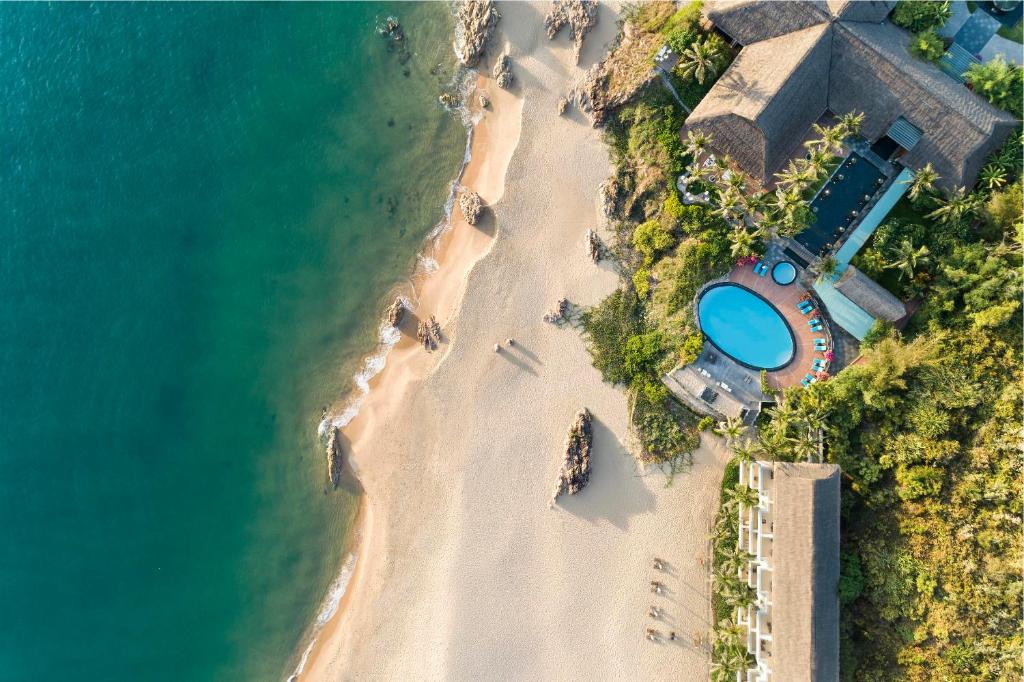
You round a bend on the coastal road, and suddenly the landscape shifts. One side, endless turquoise waves rolling onto a long, palm-fringed beach. The other, rolling hills of rust-red sand that look like they belong in a dream — or perhaps another planet. The wind carries salt, distant laughter, and the faint char of grilling seafood. This is Mui Ne, and it doesn’t just greet you. It pulls you in.

Once a sleepy fishing village in Bình Thuận province, Mui Ne has surged onto global radar as Booking.com’s top trending destination for 2026. Travelers from the United States and Europe are discovering what locals have known for years: a place that delivers raw beauty, genuine rhythm, and that rare feeling of having arrived somewhere special before everyone else does.

The Moment You First Feel It

The magic begins the second you step onto the sand. Mui Ne’s beach stretches for miles, wide and inviting, with warm water that invites long swims rather than quick dips. Early mornings belong to fishermen casting nets from colorful wooden boats, their silhouettes sharp against the rising sun. By afternoon, the same stretch transforms into a playground for kitesurfers slicing through consistent winds — one of the best spots in Southeast Asia for the sport.

But it’s not just about the sea. Venture a short distance inland and you enter another world entirely. The Red Sand Dunes and White Sand Dunes create an almost surreal contrast against the coastal greenery. Sliding down the soft slopes on a plastic sled at sunrise, feet sinking into warm sand, laughter echoing across the ridges — these are the kinds of simple, joyful moments that linger long after the trip ends.

A Living Fishing Village Still Breathing

Unlike many beach destinations that have been polished into uniformity, Mui Ne retains its soul. Walk through the fishing harbor at dawn and you’ll see families sorting the night’s catch: squid still glistening, crabs clicking in baskets, fish so fresh they practically jump. The air hums with chatter in Vietnamese, the slap of wet rope, and the low rumble of boat engines.

Locals here carry a quiet resilience and friendliness that feels deeply rooted. They’ve lived with the sea for generations and treat visitors with the same easy warmth they extend to one another. Strike up a conversation with a fisherman mending his net, and you might find yourself learning how to tie a knot or hearing stories about storms that shaped the coastline.

Flavors That Tell Stories

Food in Mui Ne is unpretentious, abundant, and unforgettable. This is prime seafood territory. Picture sitting at a beachside shack as the sun dips low, a cold drink in hand, while plates arrive one after another: grilled scallops drizzled with scallion oil, lemongrass clams bursting with flavor, whole snapper perfectly charred, and sweet prawns dipped in a fiery chili-lime sauce.

Don’t miss bánh căn — tiny savory rice pancakes cooked in special clay pans, topped with shrimp and herbs, then dunked in a tangy fish sauce. Or fresh spring rolls stuffed with local herbs and dipped in peanut sauce. Even something as simple as a morning bowl of phở here tastes brighter, thanks to the ocean breeze and the care of the cooks who’ve been making it the same way for decades.

Hidden Corners Most People Miss

While the dunes and main beach draw attention, the real treasures often lie slightly off the well-trodden path:

  • Fairy Stream: A gentle, shallow stream winding through striking red-and-white rock formations. Walk barefoot through the cool water as the canyon-like walls rise around you — it feels like stepping into a fantasy landscape.
  • Po Sah Inu Cham Towers: Ancient Hindu ruins perched on a hill, offering both historical insight and sweeping views over the coast, especially beautiful at golden hour.
  • Quiet stretches beyond the main tourist area where you can find near-empty beaches and small villages where life moves at the pace of the tides.

These spots give you the gift of solitude — rare in popular destinations — and the chance to feel like you’re discovering something personal.

When to Come and How to Move

Mui Ne enjoys sunshine almost year-round, but the sweetest months run from November to April when the skies are clearest and the winds are strongest for watersports. The dry season brings that perfect combination of warm days and cooler evenings ideal for long beach walks and dune explorations.

Getting here is straightforward: a four-hour drive or private transfer from Ho Chi Minh City makes for a scenic journey through countryside and salt fields. Once in Mui Ne, renting a motorbike gives you the freedom to explore at your own pace, though many visitors prefer hiring a driver for comfort on dune trips. Accommodations range from stylish beach resorts with private pools to charming boutique hotels and simple guesthouses where you wake up to the sound of waves.

Costs remain refreshingly accessible. A memorable seafood feast for two often lands under $25, while a full day exploring dunes and streams with a guide stays budget-friendly. Even upscale resorts offer excellent value compared to more developed beach hubs.

A few practical notes: Bring sunscreen and a hat — the sun is strong. Respect the fishing community by being mindful of their workspace, and consider supporting local businesses rather than big chains. A few words of Vietnamese go a long way in building connections.

The Feeling That Stays With You

Mui Ne doesn’t shout for attention. It whispers — through the rustle of palm fronds, the crash of waves against fishing boats, the warmth of a local smile after they’ve just shared their favorite dish with you.

In a world where many beaches start to feel interchangeable, Mui Ne stands apart. It’s where desert-like dunes meet the ocean, where ancient Cham history brushes against modern kitesurfing culture, and where you can still experience authentic coastal Vietnam without the crowds.

You’ll leave with sand between your toes, the taste of grilled seafood on your lips, and a quiet certainty that you’ve touched something genuine. Something worth coming back to.

The world is waking up to Mui Ne. The question is whether you’ll let it become your story before the secret gets out. Pack light, come curious, and prepare to fall for a place that feels like it’s been waiting just for you.

Saturday, August 21, 2010

The Vietnamese Town That Feels Like a Dream at Dawn: Why Ninh Binh May Be the Most Beautiful Place You've Never Heard Of

Some destinations impress you.

Others stay with you long after you've left.

Ninh Binh belongs firmly in the second category.

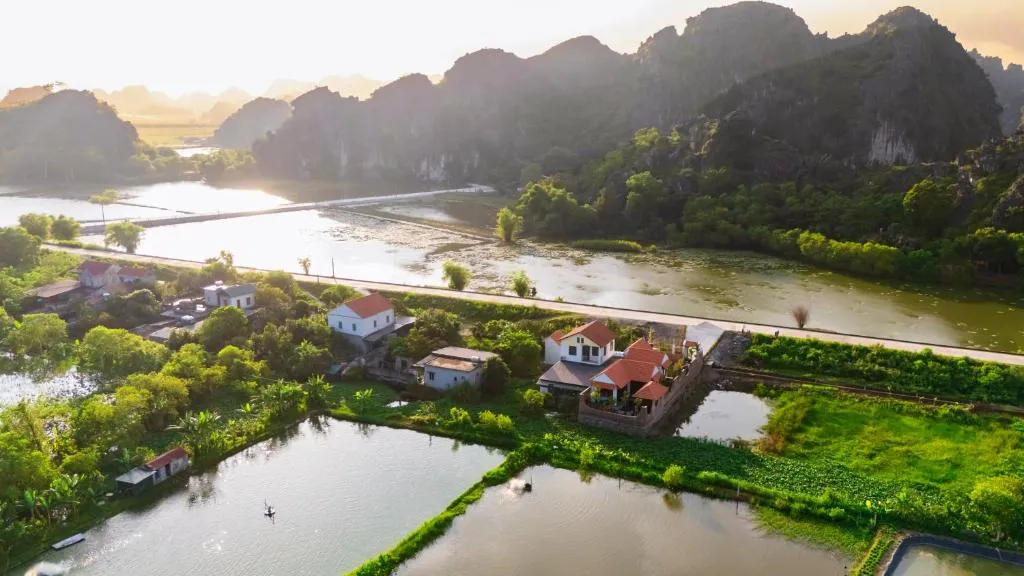
Long before sunrise, I found myself standing beside a narrow river wrapped in morning mist. The water was perfectly still. Towering limestone mountains rose from emerald rice fields like ancient stone giants guarding a forgotten kingdom. Somewhere in the distance, a rooster crowed. A wooden boat drifted silently through the fog.

For a brief moment, it felt less like travel and more like stepping into another world.

While millions of travelers flock to Vietnam's famous beaches and bustling cities, an increasing number of visitors from the United States and Europe are discovering Ninh Binh—a destination often described as "Ha Long Bay on land," though the comparison hardly does it justice.

Because Ninh Binh is not simply another beautiful place.

It is one of those rare destinations that still feels magical.

Why International Travelers Are Falling in Love with Ninh Binh

Modern travelers are searching for something different.

They want beauty, but not overcrowding.

Adventure, but not chaos.

Authenticity, but with enough comfort to enjoy it.

Ninh Binh delivers all three.

Located about two hours south of Hanoi, this region offers some of the most spectacular landscapes in Southeast Asia. Massive limestone karsts rise dramatically from rivers, wetlands, forests, and rice paddies, creating scenery so surreal that many first-time visitors assume the photographs must have been edited.

They haven't.

The reality is often even more breathtaking.

The Boat Ride You'll Talk About for Years

There are travel experiences that become stories.

A boat journey through Trang An is one of them.

Your boat is rowed by a local guide, often using an astonishing technique that involves rowing with their feet instead of their hands.

The river winds through towering limestone valleys and disappears into caves carved naturally over millions of years.

Inside the caves, darkness briefly surrounds you.

Then sunlight suddenly returns as your boat emerges into another hidden valley.

Again and again.

Each turn reveals a new landscape.

A new surprise.

A new reason to reach for your camera before realizing that no photograph can truly capture what you're seeing.

Many travelers arrive expecting a pleasant excursion.

Most leave describing it as the highlight of their Vietnam journey.

The Hidden Kingdom Above the Clouds

Few visitors expect Ninh Binh to offer one of Vietnam's most rewarding viewpoints.

Yet the climb to Hang Mua has become legendary.

Hundreds of stone steps snake upward along a mountainside before reaching a dragon sculpture perched above the valley.

The climb can be challenging.

The reward is unforgettable.

Below you lies a vast panorama of rivers, rice fields, villages, and limestone peaks stretching toward the horizon.

Visit during sunrise or late afternoon, and the entire landscape seems painted in gold.

This is the view that convinces many travelers to extend their stay.

A Land Shaped by History and Legends

Long before Hanoi became Vietnam's capital, Ninh Binh held that honor.

More than a thousand years ago, the region served as the political heart of Vietnam under the Dinh and Early Le dynasties.

Ancient temples still stand among the mountains, preserving stories of emperors, warriors, and the birth of a nation.

Local guides often speak of the spiritual significance of the landscape.

Mountains, rivers, caves, and temples exist here not as separate attractions but as interconnected parts of a living cultural identity.

The result feels profoundly different from many tourist destinations.

You are not simply observing history.

You are moving through it.

The Side of Ninh Binh Most Tourists Miss

Wake up before sunrise.

Rent a bicycle.

Leave the main roads behind.

This is where the real magic begins.

Narrow paths wind through villages where water buffalo graze beside lotus ponds.

Farmers tend rice fields that have supported generations of families.

Children wave enthusiastically as you pass.

Elderly residents smile from shaded porches.

The pace of life feels refreshingly human.

There are no schedules demanding your attention.

No traffic noise dominating the landscape.

Only the simple rhythm of everyday life.

These quiet moments often become travelers' most treasured memories.

What to Eat in Ninh Binh

Food in Ninh Binh reflects the region's agricultural traditions.

One of the area's most famous specialties is goat meat, prepared in numerous ways ranging from grilled dishes to fragrant stews.

Local restaurants also serve crispy rice, a beloved regional specialty with a distinctive texture and flavor.

Fresh herbs accompany nearly every meal.

Markets overflow with seasonal produce.

Family-run eateries often deliver experiences far more memorable than expensive restaurants.

The food feels honest.

Simple.

Authentic.

Exactly as it should be.

The People Who Make the Place Special

Ask returning visitors what they remember most about Ninh Binh and many will mention the people before the scenery.

Locals are known for their warmth, humility, and genuine hospitality.

Conversations happen naturally.

Directions often come with recommendations.

Recommendations often come with stories.

Stories often lead to unexpected discoveries.

In a world where many destinations have become increasingly commercialized, Ninh Binh still feels personal.

And travelers notice.

When Should You Visit?

The most beautiful periods are generally March to May and September to November.

Spring brings lush green landscapes and comfortable temperatures.

Autumn offers golden rice fields, cooler weather, and ideal conditions for photography.

Each season reveals a different personality.

None feel disappointing.

How Much Should You Budget?

Compared with many popular international destinations, Ninh Binh remains remarkably affordable.

Comfortable hotels, local transportation, authentic dining experiences, and guided excursions can fit a wide range of budgets.

Luxury travelers will find elegant retreats nestled among dramatic landscapes.

Budget travelers can enjoy unforgettable experiences without spending heavily.

The value is exceptional.

Frequently Asked Questions

How many days should I spend in Ninh Binh?

Most travelers find that two to four days provides enough time to experience the major highlights while still enjoying slower moments.

Is Ninh Binh worth visiting if I've already seen Ha Long Bay?

Absolutely.

The landscapes may share geological similarities, but the experiences feel completely different.

Many travelers ultimately prefer Ninh Binh because of its accessibility, tranquility, and immersive cultural experiences.

Can I explore independently?

Yes.

Cycling and scooter rentals are popular options and provide access to hidden corners of the region that larger tours often miss.

Before Everyone Else Discovers It

Every generation of travelers searches for places that feel special.

Places that still surprise.

Places that remind us why we started traveling in the first place.

Ninh Binh is one of those places.

Not because it is flashy.

Not because it is famous.

But because somewhere between the misty rivers, ancient temples, hidden valleys, and quiet village roads, it offers something increasingly rare in modern travel:

Wonder.

The kind that stays with you long after your flight home.

The kind that makes you open your laptop weeks later, look at your photos, and immediately start wondering when you can return.

And if you've never been, there is a good chance that your future self will thank you for going before the rest of the world catches on.

Friday, August 20, 2010

The Island of Perpetual Afternoon: Why Côn Đảo’s Hauntingly Beautiful Shores are Captured in Western Travel Dreams

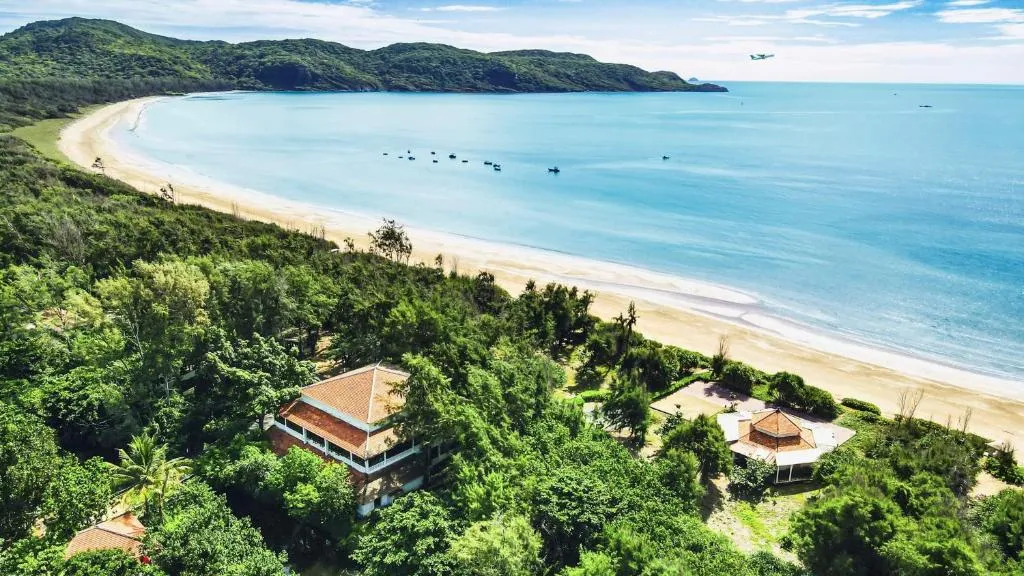
If you sit completely still on the white sands of Dam Trau beach at roughly four in the afternoon, you will witness something that borders on the cinematic. The turquoise sea moves with a slow, heavy swell, completely devoid of the chaotic jet-ski buzz found in standard tropical resorts. The wind traveling off the South China Sea smells intensely of wild salt, sweet sea grapes, and coastal pine. Then, a shadow sweeps across the water. A commercial plane drops out of the low clouds, flying so close to the sand that you can feel the engine’s vibrations in your chest before it glides onto a runway carved straight into the volcanic hills.

For the modern American and European traveler, the classic beach holiday is losing its appeal. The predictable luxury of overdeveloped resorts has surrendered to a desire for something raw, psychologically complex, and deeply quiet. This specific craving is currently driving a massive surge in international travel searches for the Côn Đảo Archipelago—a cluster of 16 volcanic islands floating roughly 50 miles off Vietnam’s southern coast.

Once known to the Western world under its French colonial name, Poulo Condore, Côn Đảo was for over a century a synonym for purgatory—a notorious prison island used by both French authorities and later regimes. Yet today, this dark history has created an accidental sanctuary. Because the islands were isolated from the mainland for so long, they bypassed the frantic concrete boom of modern tourism. What remains is a place of breathtaking, untouched biodiversity wrapped in a profound, respectful silence. It is an island where the afternoon seems to last forever, and it is exactly where you need to go to disconnect from the digital grid.

The Island Paradox: Granite Cliffs, Sacred Ghosts, and Deep Resilience

To step onto Côn Sơn—the largest and only permanently inhabited island of the archipelago—is to experience a striking landscape of contrasts. Giant, primeval granite mountains rise vertically out of the ocean, their jagged peaks permanently cloaked in heavy gray mist, while their lower slopes dissolve into brilliant coral reefs teeming with hawksbill sea turtles.

The architecture of the main town feels curiously Mediterranean yet distinctly Indochinese. Yellow-walled colonial villas stand in quiet rows under the deep shade of century-old terminalia trees (Cây Bàng), their massive roots gripping the sidewalks like ancient wooden claws.

But what truly defines the emotional atmosphere of Côn Đảo is its unique relationship with the unseen. The local residents possess a calm, remarkably gentle, and reflective character. Unlike the high-energy, fast-paced commerce of Ho Chi Minh City, life here is deliberate and unhurried. There is a collective reverence for the island's past. Locals do not view the dark history of the old prisons as a tourist gimmick; it is a sacred space.

Because of this, the island has developed a fascinating nocturnal spiritual life. While most tropical islands feature beachfront bars that roar into the early hours of the morning, Côn Đảo's nights belong to the Hàng Dương Cemetery. At midnight, hundreds of locals and independent travelers gather under the stars, lighting thousands of thin incense sticks that glow like a galaxy of fireflies in the dark. They come to pay respects to national heroes like Võ Thị Sáu, a young guerrilla fighter who became a symbol of immortal defiance. The air becomes heavy with the fragrance of fresh white lilies and sandalwood smoke, creating a communal experience that is profoundly moving and uniquely evocative.

Culinary Heritage Born of Isolation and Coral Reefs

Because of Côn Đảo’s geographical detachment, its cuisine relies entirely on the daily moods of the ocean and the hardy flora that clings to its volcanic rocks.

The Sweet Crunch of Roasted Bàng Seeds

You cannot walk twenty steps in Côn Đảo without encountering a local artisan processing Mứt Hạt Bàng (preserved terminalia seeds). Throughout the year, the giant trees drop their woody fruits, which are painstakingly collected by hand. The locals crack open the tough husks with small hammers to extract a tiny, slender kernel inside. These seeds are then slow-roasted in iron woks, either tossed with sea salt or caramelized with sugar and fresh ginger. The result is a rich, buttery flavor that tastes like a hybrid of almond and macadamia, with a distinct woody undertone—a snack found nowhere else in continental Vietnam.

Red Lobster and Moon Crabs

The surrounding marine park boasts some of the cleanest waters in Southeast Asia, rendering the seafood remarkably sweet and pristine. The ultimate indulgence here is Cua Mặt Trăng (Moon Crab), named after the bright red, circular spots that dot its golden shell. The meat is exceptionally dense and sweet, typically steamed simply with lemongrass and dipped in a rustic sauce of sea salt, black pepper, and lime juice.

Uncharted Territory: Unlocking the Archipelago's Secrets

While the historic French prisons are a mandatory pilgrimage, the physical geography of the island offers uncharted corridors for those willing to venture off the paved coastal roads.

The Secret Trek to Dam Tre Bay

To find the absolute edge of the island, seek out the hidden trailhead that cuts through the primary rainforest toward Dam Tre Bay. This is a challenging three-mile trek beneath a dense canopy of ancient hardwood trees, where you are likely to encounter the Côn Đảo black giant squirrel leaping through the branches. The trail suddenly opens up into a completely enclosed, circular mangrove lagoon surrounded by sheer bamboo cliffs. At low tide, you can wade directly into the shallow, emerald water to discover a pristine giant clam colony, their undulating, neon-blue mantles glowing beneath the clear surface in absolute solitude.

The Dawn Ritual at Cape Cá Mập

To experience a moment of pure sensory clarity, wake up at 5:00 AM, rent a vintage scooter, and ride out to Cape Cá Mập (Shark Cape) on the southern tip of the island. As the first light breaks, the massive granite face of Love Peak (Hòn Tình Yêu) emerges from the deep indigo shadows of the ocean. The morning sun turns the sea a brilliant violet-pink, and the complete absence of traffic allows you to hear nothing but the crashing of waves against the black volcanic stones below. It is a visual reset that makes the modern world feel millions of miles away.

The Traveler’s Ledger: Essential Operational Intelligence

The Climatic Balance

Côn Đảo operates on a distinct seasonal rhythm. The most spectacular window for international travelers is from March to September. During these months, the seas are calm, the turquoise waters achieve maximum clarity for scuba diving, and the winds are gentle. This also aligns with the turtle nesting season, allowing you to witness green sea turtles laying eggs on the restricted beaches of Bay Canh Island under the supervision of park rangers. From October to February, the northeast monsoon brings powerful winds and rough seas, which can occasionally disrupt flight schedules and boat transfers.

The Air Bridge

Accessing this remote sanctuary has become remarkably efficient. While brave souls can take a multi-hour high-speed ferry from Vung Tau or Tran De, the preferred route for international travelers is a smooth, 45-minute commercial flight from Ho Chi Minh City directly into Co Ong Airport (VCS). These flights use agile, twin-engine regional aircraft that offer stunning, low-altitude views of the Mekong Delta before making their dramatic approach over the island's northern beaches.

The Economics of Isolation

Because almost all goods, fresh vegetables, and fuel must be shipped from the Vietnamese mainland, costs on Côn Đảo are slightly higher than on the mainland, reflecting its exclusive, remote character:

  • A bowl of fresh seafood noodle soup (Bún Hải Sản) at a morning market: $3.50 to $5.00.

  • A bag of hand-roasted savory Bàng seeds: $4.00 to $6.00.

  • A 24-hour vintage scooter rental to explore the coastline: $6.00 to $8.00.

  • A night at a boutique, eco-conscious resort overlooking the bay: $120 to $250 (with ultra-luxury experiential options extending upward).

Crucial Island Etiquette

Côn Đảo is a highly protected national park. Plastic bags are strictly discouraged, and travelers are expected to pack out whatever non-biodegradable waste they bring in. When visiting the historic prison complexes or Hàng Dương Cemetery, conservative attire that covers the shoulders and knees is strictly mandatory. Loud laughing, shouting, or disrespectful photography within the historic sites is deeply frowned upon by the locals; treat the island with the quiet reverence it has earned over centuries of survival.

The Ultimate Insider Secret: If you explore the small pier near the town center around 6:00 PM, look for the local fishermen preparing their small wooden skiffs for night squid fishing. Approach them politely with a translator app and offer to pay for a spot on their boat. If they accept, you will spend the night floating in the pitch-black ocean under a massive green halogen light, pulling iridescent squid directly out of the deep water while the old fishermen pour you tiny cups of medicinal rice wine, sharing raw laughter under the canopy of the Southern Cross constellation. It is a memory that cannot be packaged, purchased, or duplicated.

Thursday, August 12, 2010

Discover Quy Nhon: Vietnam’s Coastal Secret Where the World Hasn’t Quite Caught Up Yet

The first thing that hits you as your plane descends toward Quy Nhon is the color of the water—a vivid, almost impossible turquoise that stretches out like liquid gemstone against golden sand. You’ve seen beaches before. But this one feels different. Less filtered. More alive.

As one of the rising stars on global travel lists for 2026, Quy Nhon in Bình Định Province is quietly stepping into the spotlight. Not with flashy resorts or crowded streets, but with something rarer: an authentic slice of coastal Vietnam that still belongs mostly to the locals — and now to those lucky enough to discover it before the masses arrive.

The Pull of an Undiscovered Shore

Travelers from the US and Europe are increasingly drawn here for what it isn’t. It isn’t another overcrowded hotspot like Nha Trang or Da Nang. Instead, Quy Nhon offers pristine coastlines, dramatic cliffs, ancient Cham heritage, and some of the freshest seafood in the country, all wrapped in the warm, unhurried hospitality that defines central Vietnam.

Imagine waking to the sound of fishing boats chugging out at dawn, their colorful hulls bobbing like confetti on the bay. You stroll along Quy Nhon Beach, where the sand is soft underfoot and the only company might be a few locals doing tai chi as the sun rises. The air carries the salty tang of the sea mixed with the faint sweetness of street-side sugarcane juice.

Where History Whispers and Nature Roars

Quy Nhon’s roots run deep into the ancient Champa Kingdom. Scattered across the region are elegant Cham towers — striking brick structures that have stood for nearly a thousand years. Visit Tháp Đôi (Twin Towers) at sunset, when the light turns the ruins a warm amber. Stand there long enough and you can almost hear echoes of a civilization that once thrived along these shores.

But the real magic lies just outside the city. Rent a scooter or hire a driver and head to Ky Co Beach. The road winds through rugged hills before revealing a jaw-dropping cove with water so clear you can see the seabed from the cliffs above. Jump in — the cool embrace is invigorating. Nearby Eo Gio (Wind Strait) offers windswept viewpoints where waves crash dramatically against rocky outcrops, and curious goats wander the hillsides.

For something more serene, Nhon Ly Fishing Village feels like stepping back in time. Stone paths wind between simple homes, colorful boats rest on the shore, and women in conical hats sort the morning’s catch. Strike up a conversation, and you might be invited to watch a family prepare lunch.

Sensory Feasts You’ll Dream About

The food in Quy Nhon is a revelation. This is seafood country, and the quality is exceptional because much of it comes straight from the boats you see offshore.

Try banh xeo — crispy savory pancakes stuffed with shrimp, bean sprouts, and herbs, wrapped in fresh lettuce and dipped in sweet-spicy fish sauce. Or banh it tom thit, sticky rice cakes with shrimp and pork. Evening markets buzz with the sizzle of grills and the chatter of families. Sit on a plastic stool, cold beer in hand, and feast on grilled squid, clams steamed with lemongrass, or fresh crab.

The people here have a reputation for the warmest smiles in Vietnam. There’s a gentle pride in their hospitality — they want you to love their city as much as they do. You’ll feel it in the way a stranger offers directions, or how a restaurant owner remembers your order the next day.

Hidden Corners That Reward the Curious

Skip the main strips and seek out these lesser-known spots:

  • Bai Xep Beach: A quiet crescent perfect for swimming or simply watching local fishermen.
  • Hon Kho Island: Reachable by short boat ride, with excellent snorkeling and a raw, untouched feel.
  • Quy Hoa Beach: Backed by casuarina trees, this long stretch offers peaceful walks and fewer visitors.

These places deliver that rare feeling of having a slice of paradise mostly to yourself.

Practical Magic for Your Journey

The dry season from January to August brings the best weather — sunny skies, calm seas, and ideal beach conditions, with April to August particularly glorious.

Fly into Phu Cat Airport (about 30-40 minutes from the city) or take a scenic train ride from Hanoi or Ho Chi Minh City. Once there, everything is easily reachable by scooter, taxi, or private car. Luxury options like Anantara Quy Nhon Villas offer beautiful beachfront escapes, while boutique guesthouses in town provide authentic charm at gentler prices.

Expect costs to feel refreshingly reasonable compared to more developed spots. A fantastic seafood meal might run $8-15 per person, and day trips to beaches and villages are affordable with local guides.

A few gentle notes: Respect local customs — dress modestly at religious sites, and be mindful of the environment by avoiding single-use plastics. English isn’t as widely spoken as in bigger cities, so a translation app and a sense of adventure will serve you well. The reward is genuine connection.

Why Quy Nhon Stays With You

In a world of Instagram-perfect destinations that start to blur together, Quy Nhon offers something deeper. It’s the quiet satisfaction of fresh-caught fish grilled simply by the sea. The golden light on ancient towers. The easy laughter of locals who haven’t yet grown tired of tourists because there still aren’t that many.

This isn’t just another beach town. It’s a place where you slow down, taste life as it’s lived here, and leave feeling like you’ve touched something real.

The world is starting to notice Quy Nhon. The question is — will you experience it while it still feels like this hidden treasure?

Book that ticket. The turquoise water is waiting, and the smiles here might just be the warmest welcome you’ll find in Vietnam.

Tuesday, August 3, 2010

The Vietnamese Island Everyone Will Be Talking About in 2026: Why Phu Quoc Should Be Your Next Escape

There are places you visit.

And then there are places that quietly change the way you feel about travel.

The first time I watched the sun sink into the Gulf of Thailand from a beach on Phu Quoc, I understood why travelers who planned to stay for three days often ended up staying for a week.

The sky turned shades of gold and tangerine. Fishing boats drifted across the horizon like tiny silhouettes painted onto a living canvas. Behind me, the scent of grilled seafood floated from a beachside restaurant. Ahead of me, the sea seemed endless.

This wasn't the Vietnam I expected.

And that is exactly why Phu Quoc is becoming one of the most talked-about destinations in Asia.

Why Is Everyone Suddenly Talking About Phu Quoc?

Travel platforms around the world have reported a dramatic rise in international interest in Phu Quoc, placing the island among the fastest-growing travel destinations globally. Search volumes have surged as more travelers discover what many believe is Southeast Asia's next great island escape.

Unlike many famous tropical islands that are already crowded and overdeveloped, Phu Quoc still offers something increasingly rare:

Space.

Silence.

Authenticity.

You can spend the morning kayaking through clear waters, the afternoon exploring fishing villages, and the evening eating some of the freshest seafood of your life with your feet buried in the sand.

The Beaches That Make You Question Reality

Photos rarely do Phu Quoc justice.

At Bai Sao, the sand feels almost impossibly soft beneath your feet. The water shifts between emerald green and crystal blue depending on the sunlight.

Then there is Bai Kem, frequently praised among the most beautiful beaches in the region. Palm trees lean toward the ocean as if they too are trying to get a better view.

Early in the morning, before most visitors arrive, the island belongs to the sound of gentle waves and local fishermen preparing for another day at sea.

These are the moments that never make it into Instagram posts.

Yet they are often the moments travelers remember most.

The Hidden Side of the Island Most Visitors Never See

Leave the resorts behind.

Rent a scooter.

Drive until the roads become smaller and the crowds disappear.

You will discover quiet villages where elderly residents still sit outside their homes sharing stories over tea. Children wave as you pass. Small family-owned restaurants serve recipes that have been passed down through generations.

In the island's northern forests, tropical birds call from dense jungle canopies. Dirt roads lead to hidden beaches where you may spend an entire afternoon without seeing another traveler.

This version of Phu Quoc feels wonderfully untouched.

A Seafood Paradise Unlike Anywhere Else in Vietnam

Ask locals what makes them proud of their island and food will inevitably become part of the conversation.

Phu Quoc is famous throughout Vietnam for its fish sauce, considered by many chefs to be among the finest in the world. Traditional wooden barrel fermentation methods have been preserved for generations.

But the real magic happens after sunset.

Night markets fill with the aroma of grilled squid, giant prawns, sea urchin, scallops topped with scallion oil, and freshly caught fish arriving directly from nearby waters.

Order whatever looks interesting.

You will rarely regret it.

The Warmth of the People

Many destinations have beautiful landscapes.

Far fewer have beautiful people.

One of the reasons visitors return to Phu Quoc is the genuine friendliness of the locals.

Conversations happen naturally.

Restaurant owners remember your name.

Fishermen happily explain their daily routines.

Market vendors often share recommendations that never appear in guidebooks.

The island still feels more like a community than a tourism machine.

And that feeling is becoming increasingly rare across the world.

When Is the Best Time to Visit?

The most pleasant months generally run from November through April.

During this period, skies are typically clearer, rainfall is lower, and the sea conditions are ideal for swimming, island-hopping, snorkeling, and diving.

If you prefer fewer crowds and lower accommodation prices, the shoulder seasons can be surprisingly rewarding.

How Much Does a Trip Cost?

One reason international travelers continue choosing Vietnam is value.

In Phu Quoc, you can enjoy luxury beachfront resorts for a fraction of what you would pay in many famous island destinations around the world.

Budget travelers can comfortably enjoy local food, transportation, and accommodation without spending heavily, while luxury travelers have access to world-class resorts, spas, and private experiences.

The island successfully serves both ends of the travel spectrum.

Frequently Asked Questions

Is Phu Quoc worth visiting?

Absolutely. If you enjoy beaches, local culture, seafood, island adventures, and spectacular sunsets, it is one of the most rewarding destinations in Vietnam.

How many days should you stay?

Four to six days allows enough time to experience both the famous attractions and the quieter corners of the island.

Is it crowded?

Popular beaches and attractions can become busy during peak seasons, but much of the island still offers peaceful escapes away from large tourist crowds.

Can you explore independently?

Yes. Renting a scooter remains one of the best ways to discover hidden beaches, fishing villages, and lesser-known viewpoints.

The Moment You'll Remember Years Later

Years from now, you probably won't remember the hotel room number.

You won't remember what day of the week you arrived.

What you will remember is standing on a beach as the sky turned orange and purple.

You will remember the taste of freshly grilled seafood beside the ocean.

You will remember a local pointing you toward a hidden stretch of coastline that wasn't on any map.

You will remember feeling that rare sensation travelers spend their lives searching for:

The feeling that you've discovered somewhere special before everyone else does.

And that may be the most compelling reason to visit Phu Quoc now.

Not because it is famous.

But because it is on the verge of becoming unforgettable.