Pages

Monday, March 28, 2011

Can Tho: The Heartbeat of the Mekong Delta Where Rivers Shape Every Life

The first light of dawn breaks over the water, painting the sky in soft pinks and golds as wooden boats glide silently through the mist. The air is thick with the earthy scent of the river mixed with fresh fruit and the faint smoke from breakfast fires on the banks. You’re on a small sampan, gliding past floating gardens and houses built on stilts, and for a moment, the entire world feels like it moves at the gentle pace of the Mekong. This is Can Tho, the beating heart of Vietnam’s Mekong Delta, and it offers something increasingly rare: an authentic, living waterway culture that invites you to slow down and become part of its rhythm.

While many international travelers from the US and Europe still focus on beaches or mountain towns, Can Tho and the Mekong Delta are quietly rising as the soulful choice for those seeking genuine connection with local life, incredible food, and landscapes defined by water rather than concrete.

Life on the Water

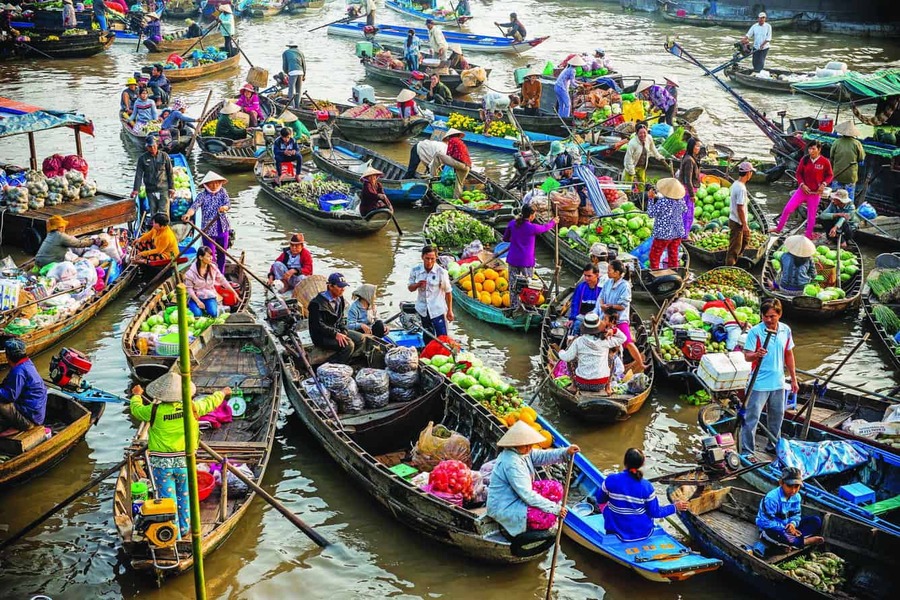
The Mekong isn’t just a river here — it’s the lifeline, marketplace, and storyteller for millions. The famous Cai Rang Floating Market is best experienced at sunrise, when traders in colorful boats sell everything from pineapples to pho, calling out to each other across the water. You’ll float alongside vendors peeling dragon fruit and slicing mangoes, tasting samples handed over with warm smiles. It’s bustling yet harmonious, a daily ritual that has continued for generations.

Beyond the market, the smaller, more intimate markets along narrower canals give you that deeper sense of discovery — places where fewer visitors venture and where you can watch families going about their morning routines with unhurried grace.

Warmth Rooted in the Delta

The people of Can Tho are known for their open-hearted hospitality and resilient spirit. Life here revolves around the river’s cycles — floods, harvests, and festivals — and this creates a community that values connection. A boat captain might share stories of how his family has navigated these waters for decades, or a fruit farmer will proudly show you their orchard, pressing ripe pomelos or durian into your hands.

Local customs emphasize family, respect for the land, and simple joys. You might be invited to join a cooking session in a stilt house, learning to make fresh spring rolls while children play nearby and grandparents offer gentle advice. There’s a quiet pride here, mixed with genuine curiosity about visitors who take the time to listen.

Flavors Straight from the River and Orchard

Mekong Delta cuisine is fresh, abundant, and bursting with flavor. Everything tastes more vibrant because it travels such a short distance from farm or river to table.

Settle into a riverside spot or a family home and indulge in:

  • Banh xeo — golden crispy pancakes filled with shrimp, pork, and bean sprouts, wrapped in herbs
  • Fresh elephant ear fish grilled at your table, wrapped in rice paper with pineapple and mint
  • Coconut-based curries rich with lemongrass and local spices
  • Sweet mango sticky rice or refreshing coconut water sipped straight from the fruit

The meals here feel generous and personal, often accompanied by laughter and stories that turn dinner into an unforgettable evening.

Hidden Sides of the Delta

While the main floating markets draw attention, Can Tho rewards those who explore further:

  • Tranquil canals around Bang Lang stork sanctuary, where thousands of birds nest and the waterways feel almost magical at dusk.
  • Quiet villages where you can cycle through fruit orchards and sample seasonal treats directly from the trees.
  • Lesser-known pagodas and family temples tucked along the riverbanks, offering peaceful moments and glimpses into daily spiritual life.

These spots deliver that special feeling of having found your own private corner of the Delta.

When to Visit and How to Make It Effortless

The best time is from December to April, during the dry season, when waters are calmer and skies clearer for boat trips. The green season (May to November) brings lush landscapes and fewer crowds, with its own dramatic beauty during the rains.

Can Tho is easily reached by a short flight or comfortable bus from Ho Chi Minh City (about 3 hours). Once there, private boat tours are the most rewarding way to experience the rivers, while bicycles or scooters let you explore the countryside at your own pace. Stay in charming riverside homestays, boutique hotels with views over the water, or eco-lodges nestled among the orchards.

Costs remain very accessible — a full day of boating and meals can be surprisingly affordable, allowing you to immerse yourself without worry.

A few thoughtful notes: Respect the local rhythm by rising early for markets, be mindful when visiting homes, and support small family operations to help sustain this traditional way of life. A friendly smile and basic Vietnamese phrases will open many doors.

The River That Stays With You

Can Tho doesn’t overwhelm with dramatic monuments or perfect beaches. Instead, it wins you over through the gentle lap of water against boats, the sweetness of fruit picked that morning, the easy conversation with a local farmer, and the profound sense of harmony between people and their environment.

In a fast-moving world, the Mekong Delta reminds you of the beauty in flowing with life rather than against it. You’ll leave with the river’s rhythm still in your blood, pockets full of new friendships, and a deeper appreciation for simple, meaningful experiences.

This isn’t just another stop in Vietnam — it’s where you reconnect with what truly matters. The boats are waiting at dawn, the orchards are heavy with fruit, and the Delta is ready to welcome you into its timeless flow.

If your soul is craving authenticity, warmth, and a touch of magic on the water, Can Tho might just become the highlight of your entire journey. The question isn’t whether to go. It’s how soon you can get on that boat.

Wednesday, March 23, 2011

The Vietnamese Wilderness Few Foreign Travelers Know About: Why Ba Be Lake Might Be the Most Underrated Destination in Southeast Asia

There are places that impress you immediately.

And then there are places that slowly work their way into your heart.

Ba Be Lake belongs to the second category.

When most international travelers imagine Vietnam, they picture limestone islands rising from emerald seas, lantern-lit ancient towns, bustling cities, or terraced rice fields climbing mountain slopes.

Very few imagine a vast freshwater lake hidden deep within ancient forests, surrounded by towering limestone mountains and tiny villages where life still moves at the rhythm of nature.

And that is precisely why Ba Be feels so extraordinary.

Located in northern Vietnam, several hours from the well-trodden tourist routes, Ba Be Lake remains one of the country's greatest hidden treasures—a destination that rewards curiosity rather than convenience.

For travelers seeking authenticity, tranquility, and genuine connection, it may be one of the most remarkable places in Asia.

The Morning When the Lake Belongs Only to You

The most magical time at Ba Be arrives before breakfast.

Long before tour groups wake up.

Long before engines disturb the water.

As dawn begins to illuminate the mountains, a thin layer of mist drifts silently across the lake's surface.

The water becomes glass.

Perfectly still.

Reflections of forests and cliffs appear so sharp they seem almost unreal.

Birdsong echoes through the valley.

A fisherman glides across the water in a narrow wooden boat.

The paddle barely creates a ripple.

For a few moments, the entire landscape feels suspended between dream and reality.

Visitors often describe these early mornings as the highlight of their entire trip.

Not because anything dramatic happens.

But because absolutely nothing does.

And in today's world, that kind of peace has become incredibly rare.

A National Park That Feels Untouched

Ba Be sits within one of Vietnam's most important national parks.

Dense tropical forests cover the surrounding mountains.

Waterfalls cascade through hidden valleys.

Caves disappear beneath limestone cliffs.

Wildlife still thrives throughout the region.

Unlike many famous natural destinations, Ba Be has largely escaped mass tourism.

The result is an environment that feels genuinely wild.

Trails lead through forests where the only sounds are insects, birds, and rustling leaves.

Remote roads wind through landscapes untouched by large-scale development.

Nature remains the main attraction.

And nature still feels wonderfully dominant.

The Boat Ride You Will Never Forget

The best way to experience Ba Be is from the water itself.

Small boats glide across the interconnected lakes, revealing scenes that seem to belong in a nature documentary.

Towering limestone cliffs rise directly from the shoreline.

Dense jungle spills down mountain slopes.

Tiny villages appear between forests.

Children wave from riverbanks.

Farmers work fields beside the water.

Unlike many scenic boat trips around the world, Ba Be doesn't feel designed for tourism.

It feels like you're entering a living landscape where people and nature have coexisted for generations.

Every bend in the lake reveals something unexpected.

A hidden cove.

A quiet fishing boat.

A soaring cliff face.

A waterfall hidden among trees.

The journey feels less like sightseeing and more like exploration.

The People Who Define the Region

One of Ba Be's greatest strengths is not the scenery.

It's the people.

The region is home to several ethnic communities, including the Tay people, whose traditions remain deeply woven into daily life.

Many visitors stay in family-run homestays built on traditional wooden stilts.

These experiences offer something hotels rarely can.

Shared meals.

Stories exchanged across cultures.

Insights into local customs.

Simple moments of human connection.

Guests often arrive expecting beautiful landscapes.

They leave remembering conversations around dinner tables.

Because genuine hospitality leaves a deeper impression than any viewpoint ever could.

Hidden Caves, Waterfalls, and Forgotten Legends

Ba Be is filled with stories.

Some are historical.

Others are mythical.

Local legends tell of ancient floods, mysterious spirits, and the creation of the lake itself.

Whether you believe the stories or not almost doesn't matter.

They add another layer of intrigue to an already fascinating destination.

The area also contains remarkable natural attractions.

Puong Cave stretches beneath a mountain, carved over centuries by flowing water.

Dau Dang Waterfall crashes dramatically through a rocky gorge.

Remote forest trails lead to viewpoints few outsiders ever see.

Every day brings opportunities for discovery.

A Different Kind of Luxury

Luxury means different things to different people.

For some, it means private villas and five-star service.

At Ba Be, luxury takes another form entirely.

Luxury is drinking coffee while watching mist rise from a silent lake.

Luxury is hearing frogs and birds instead of traffic.

Luxury is spending an evening beneath a sky filled with stars.

Luxury is realizing you haven't looked at your phone for hours because reality has become more interesting than the screen.

These experiences cost very little.

Yet they often become the most valuable memories travelers bring home.

The Flavors of Northern Vietnam

The cuisine surrounding Ba Be reflects the landscape itself.

Fresh ingredients dominate every meal.

River fish, mountain vegetables, forest herbs, sticky rice, and traditional recipes passed through generations form the foundation of local cooking.

Meals tend to be communal.

Generous.

Comforting.

Visitors frequently discover dishes unavailable elsewhere in Vietnam.

The flavors feel deeply connected to place.

Authentic rather than adapted.

Simple rather than complicated.

And that simplicity often proves unforgettable.

Why Travelers Are Beginning to Notice Ba Be

The global travel industry is changing.

More travelers are moving beyond famous landmarks.

They are searching for destinations that still feel genuine.

Places where local culture remains alive.

Places where nature remains dominant.

Places that provide stories rather than selfies.

Ba Be fits perfectly into this shift.

It offers exactly what many modern travelers crave but increasingly struggle to find.

Authenticity.

When Should You Visit?

The lake can be visited throughout the year, but many travelers favor spring and autumn.

Spring brings fresh greenery and comfortable temperatures.

Autumn often offers clear skies and spectacular scenery.

Summer creates lush landscapes and dramatic cloud formations.

Each season reveals a different personality.

Yet the lake's peaceful character remains constant.

Is Ba Be Expensive?

One of the destination's greatest advantages is affordability.

Accommodation, transportation, meals, and activities generally cost far less than comparable nature destinations elsewhere in Asia.

Travelers can enjoy meaningful experiences without spending heavily.

For many visitors, the value is extraordinary.

The Place You'll Brag About Before Everyone Else Discovers It

Most travelers collect destinations.

Ba Be creates stories.

Stories about mist-covered mornings.

About conversations with strangers who became friends.

About boat rides through landscapes that felt untouched by time.

About discovering a side of Vietnam that many visitors never see.

Years from now, when Ba Be inevitably becomes more famous, today's travelers will remember experiencing it before the crowds arrived.

Before the guidebooks caught up.

Before everyone knew its name.

And perhaps that's the greatest reason to visit now.

Because places like Ba Be are becoming increasingly rare.

Not because they are disappearing.

But because genuine discovery is.

And standing beside the still waters of Ba Be Lake, surrounded by mountains, forests, and silence, you'll quickly understand why those who find it rarely forget it.

Some destinations entertain you.

Ba Be stays with you.

Monday, March 21, 2011

The Whispering Steppes of the South: Unlocking the Untamed Coastline of Côn Đảo

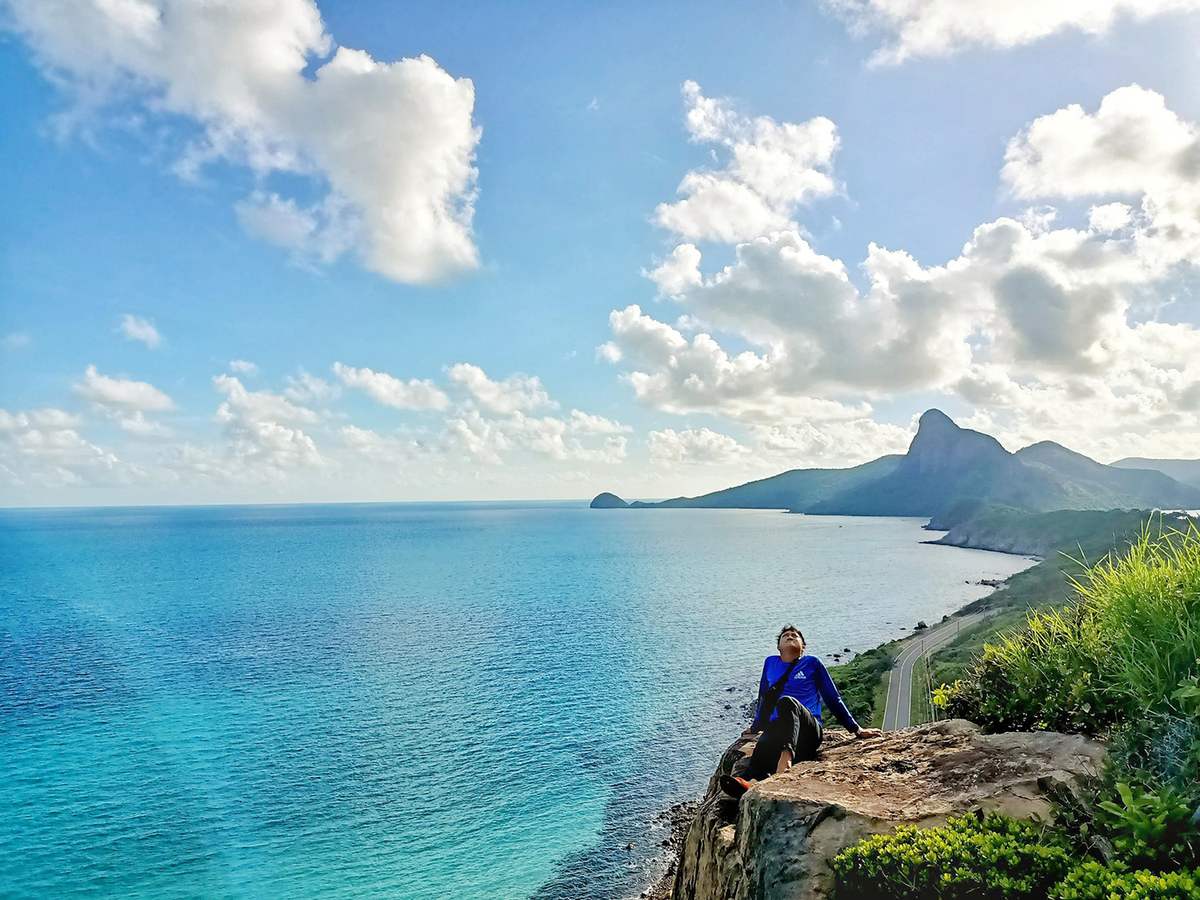
There is a point during the propeller flight from the mainland when the South China Sea ceases to look like a body of water and transforms into a massive sapphire sheet. Then, out of the deep blue, a jagged formation of forested granite peaks breaks the surface, shrouded in an eerie, low-hanging maritime fog. When you step off the small aircraft onto the tarmac at Côn Đảo, your senses are instantly recalibrated. The air does not carry the hot, heavy exhaust of Vietnam’s metropolitan centers; it is wonderfully cool, smelling of crushed wild almonds, raw sea salt, and the damp, earth-bound perfume of an undisturbed tropical canopy.

While crowded beach strips and commercial mega-resorts dominate the mainland’s tourist itineraries, sophisticated travelers from Europe and North America are turning their attention to islands with a raw, slow-motion pulse. Recent international travel data shows a significant increase in high-intent searches from the West looking for remote, deeply historic island sanctuaries. This movement has placed Côn Đảo—an archipelago of 16 mountainous islands floating 110 miles off Vietnam's southeastern coast—at the very top of the luxury eco-travel wish list.

Côn Đảo is a dramatic psychological paradox. Known for over a century to locals as "The Devil’s Island of Indochina," it has evolved from a notorious colonial penal colony into a pristine national park and sanctuary of unparalleled ecological isolation. It is a destination that doesn't just offer an escape; it demands a deep emotional journey.

The Island Custodians: Ghostly Filaments and Fierce Serenity

To explore the quiet coastal ring road of Côn Sơn, the main island, is to experience a landscape defined by an almost sacred tranquility. Massive century-old tropical almond trees (Cây Bàng) line the empty French colonial seafront promenade, their gnarly roots breaking through the brick paths like ancient, weathered hands.

The human presence on the island is inextricably tied to this heavy historical silence. The permanent residents are a quiet, fiercely proud, and incredibly gentle people. They possess a stoic calm that reflects the island's isolation; their hospitality is understated, deeply personal, and completely free of the aggressive transactions of typical tourist hubs.

This character is beautifully illustrated in the island's unique evening ritual at Hàng Dương Cemetery. Unlike any other destination in Southeast Asia, the emotional heart of Côn Đảo awakens after midnight. Under the canopy of stars, thousands of locals and mindful travelers silently converge on the graves of those who perished during the island's dark history, lighting sticks of sandalwood incense and placing fresh white chrysanthemums. The air turns thick with fragrant smoke and the soft hum of prayers blending with the distant crash of ocean waves. It is a profound, communal experience of remembrance that turns the entire island into a sanctuary of human dignity.

The Altar of Fire and the Wild Treasures of the Shallows

The gastronomy of Côn Đảo is deeply connected to the cold, nutrient-rich marine currents that encircle the archipelago. It is a cuisine that relies on absolute freshness, sharp aromatics, and unique forest forage.

The Sweet Crunch of Roasted Almond Seeds

The absolute signature flavor of the island is Mứt Hạt Bàng (Sugared or Salted Almond Seeds). Every summer, locals harvest the fallen fruits of the massive colonial almond trees, cracking open the tough husks by hand to extract the tiny, rich kernels inside. These seeds are slow-roasted over charcoal with either a delicate coat of sea salt or a thin glaze of sugar and ginger. The flavor is a beautiful revelation—deeply buttery, woody, and intensely nutty, offering a tangible bite of the island’s botanical history.

The Briny Heat of Sautéed Moon Crabs

For a true coastal luxury dish, travelers seek out Cua Mặt Trăng (Moon Crab), a deep-water crustacean prized for the distinctive, glowing red spots on its shell. Prepared simply by steaming over wild lemongrass and flash-searing with black Phu Quoc pepper, lime juice, and sea salt, the meat is exceptionally dense, sweet, and redolent of the clean offshore currents.

The Secret Grid: Unlocking Hidden Bays and Unbroken Canopies

While the historic French prison complexes offer a chilling glimpse into the past, the true raw energy of Côn Đảo belongs to the pristine natural corridors that frame the island's boundaries.

The Primeval Sanctuary of Đầm Tre Lagoon

For an experience of absolute geological isolation, embark on a challenging three-mile trek through the primary rainforest toward Đầm Tre Lagoon (Bamboo Lagoon). This deep, circular bay is hidden behind sheer vertical cliffs at the northern tip of Côn Sơn. As you descend through the thick canopy of ancient hardwoods and wild lianas, the forest suddenly opens to reveal a completely enclosed mangrove lagoon. The water here is a stunning, crystal-clear turquoise, protected from the open ocean winds. It is a vital nesting ground for rare hawksbill sea turtles and giant clams. Snorkeling into the calm center completely alone, surrounded by towering walls of green jungle, feels like slipping into the earth’s original, unmapped blueprint.

The Sunken Solitude of Bãi Nhát

Located at the base of the majestic Love Peak (Đỉnh Tình Yêu), Bãi Nhát is a stretch of coast that plays a beautiful game of hide-and-seek with the tides. For most of the day, the beach doesn't exist; it is completely submerged beneath the crashing waves of the sea. But for a few hours in the late afternoon, as the tide recedes, a vast plain of smooth, snow-white sand and rounded black boulders emerges from the surf. Standing on this temporary beach as the setting sun paints the granite cliffs in shades of crimson and violet is an unforgettable experience of wild, fleeting beauty.

The Archipelago Manual: Operational Intelligence for the Discriminating Mind

The Marine Windows

Côn Đảo behaves strictly according to the whims of the seasonal monsoons. The premier window for Western travelers seeking calm, mirror-like seas, maximum underwater visibility, and low humidity is from March to September. This golden period is perfect for scuba diving and witnessing the legendary sea turtle nesting season on neighboring Bay Canh island. From October to February, the northeast winds arrive, creating spectacular, dramatic waves along the eastern coast that appeal to windsurfers and hikers who enjoy cooler, windy mountain temperatures.

The Air Bridge

Bypass the long, grueling ferry options completely. The most elegant and seamless connection for international travelers is to book a premium domestic flight from Ho Chi Minh City or Hanoi directly into Co Ong Airport (VCS). Operated by modern turboprop aircraft, the brief 45-minute flight from Saigon traces the path of the Mekong Delta before dropping smoothly over the dramatic mountain ridges of the island, turning your arrival into a spectacular aerial introduction to the frontier.

The Economics of Isolation

Because over 80% of the archipelago is strictly protected within a pristine National Park boundary, mass tourism infrastructure is forbidden, maintaining a premium baseline of privacy and exclusivity:

  • A bag of hand-roasted salted almond seeds bought from a local family: $4.00 to $6.00.

  • A fresh, multi-course moon crab dinner for two at a seaside eatery: $35.00 to $50.00.

  • A private, full-day guided boat charter and snorkeling excursion to remote islets: $120 to $180.

  • An ultra-luxury, eco-conscious beachfront villa with a private pool: $450 to $900 per night.

Environmental Stewardship and Island Customs

Côn Đảo is an exceptionally eco-conscious territory. Plastic bags and single-use water containers are actively discouraged at the airport and ports—bring high-quality reusable flasks. When exploring the historic prison monuments or Hàng Dương Cemetery, conservative attire covering shoulders and knees is strictly mandatory out of deep respect for the lives lost there. Speak softly when walking through the towns and sites; the island's unique stillness is its greatest treasure, and matching your energy to this calm rhythm will transform you from a standard tourist into a welcome guest.

The Ultimate Insider Secret: If you explore the southern tip of the island, ride your scooter down to the edge of the Cá Mập Cape (Shark Cape) at precisely 5:15 AM. Stand on the edge of the sheer granite cliff as the dawn light begins to break. Below you, the vast ocean stretches infinitely toward the horizon, completely untouched by human shipping lanes. As the sun clears the water, it illuminates the jagged silhouettes of the surrounding seven uninhabited islands, casting long, dramatic gold shadows across the sapphire water. In that immense, quiet morning air, with the wild wind whipping off the sea, you will realize you have reached the absolute edge of the modern calendar. You aren't just looking at an island; you are witnessing the world exactly as it was on the very first day.

Friday, March 18, 2011

Da Lat: Vietnam’s Evergreen Retreat Where Romance Meets Wild Beauty

You wake to a gentle chill in the air, the kind that makes you pull a light sweater closer as mist rises softly from the lake. Pine trees sway in the breeze, carrying a crisp, resinous scent, while the distant call of birds cuts through the quiet. Somewhere nearby, someone is roasting coffee beans, and the aroma drifts through your open window like an invitation. This is Da Lat, the City of Eternal Spring, and it feels like Vietnam decided to hide a piece of the Alps in its own backyard.

While the beaches and bustling cities draw their share of attention, travelers from the US and Europe are increasingly discovering Da Lat as the highland escape that offers something refreshingly different: cool temperatures, romantic landscapes, and a relaxed pace that lets you truly breathe.

A City That Feels Like a Dream

Nestled at over 1,500 meters in the Lang Biang Plateau, Da Lat surprises you at every turn. Colonial French villas with blooming flower gardens sit alongside pine forests and rolling hills. The iconic Xuan Huong Lake is perfect for a morning stroll or a quiet boat ride at sunset, when the water reflects the soft pinks and oranges of the sky.

But the real pull comes from venturing just outside the center. Pongour Waterfall cascades dramatically over wide rock shelves, creating a natural amphitheater where you can stand close enough to feel the spray on your face. Or head to Valley of Love, where manicured gardens, swan-shaped boats, and whimsical statues create an almost fairy-tale setting — kitschy in the best possible way, especially when shared with someone special.

The Soul of the Highlands

Locals in Da Lat carry a gentle, artistic spirit influenced by the cooler climate and French colonial legacy. You’ll find flower farmers tending vast fields of hydrangeas, roses, and strawberries with quiet dedication. Many are quick with a warm smile and a story about how the morning fog affects their crops or the best spot to watch the sunset.

The city’s rhythm revolves around markets and simple pleasures. Visit the Da Lat Market early, where vendors arrange fresh produce, colorful flowers, and local specialties with care. Strike up a conversation, and you might learn about traditional highland customs or get invited to taste a just-picked strawberry still warm from the sun.

Flavors That Comfort and Delight

Da Lat’s food reflects its unique climate — fresher, lighter, and full of local produce.

After a day exploring, settle into a lakeside café or a cozy restaurant and savor:

  • Creamy avocado smoothies blended with condensed milk
  • Bánh tráng nướng — crispy rice paper “pizza” topped with quail eggs, sausage, and herbs
  • Fresh strawberry jam spread on warm baguettes
  • Grilled meats and vegetables infused with local herbs, or hotpot bubbling with mountain mushrooms and greens

Even a simple cup of Da Lat coffee, grown right in the surrounding hills, tastes richer here, especially when sipped slowly while watching the world go by.

Secret Corners Worth Seeking Out

While popular spots like the Crazy House (an architectural wonder) attract attention, Da Lat rewards the curious:

  • Lat Village, home to the K’Ho ethnic community, where you can learn traditional weaving and listen to stories passed down through generations.
  • Quiet trails around Lang Biang Mountain, where a moderate hike rewards you with panoramic views and a profound sense of peace.
  • Hidden waterfalls and strawberry farms reachable by scooter, where you can pick your own fruit and feel like you’ve wandered into a private garden.

These experiences deliver that special thrill of discovering Da Lat’s more intimate side.

The Ideal Time and Easy Access

Da Lat shines year-round thanks to its temperate climate, but the most magical periods are December to February for cool, clear days perfect for outdoor adventures, or March to May when flowers bloom in abundance. The light rain that sometimes falls only adds to the romantic, misty atmosphere.

Fly into Lien Khuong Airport (about 30 minutes from the center) or take a scenic drive from Ho Chi Minh City (roughly 5-6 hours) through changing landscapes. Once there, renting a motorbike or easy-rider taxi gives wonderful freedom to explore winding roads at your own pace. Accommodations range from charming French colonial villas and boutique hotels with fireplaces to eco-resorts nestled among the pines.

You’ll find remarkable value — excellent meals often cost $8-15, and activities like waterfall visits or village tours remain delightfully affordable.

A few practical thoughts: Pack layers for cooler evenings, respect local farming communities when visiting fields or villages, and embrace the slower pace — it’s part of what makes Da Lat special.

Why Da Lat Captures Your Heart

Da Lat doesn’t shout for attention. It whispers through pine-scented breezes, the crunch of gravel under your feet on a lakeside path, the warmth of a shared meal with new friends, and the quiet joy of watching fog roll across the hills at dawn.

In a country known for its tropical heat and dramatic coastlines, this highland haven offers balance — a place to refresh your spirit, slow your thoughts, and fall in love with Vietnam all over again.

You’ll leave with the scent of pine and coffee still lingering, cheeks flushed from mountain air, and a gentle longing to return to this evergreen city that feels both timeless and deeply personal.

If you’re craving a side of Vietnam that’s cool, poetic, and wonderfully human, Da Lat might just be the surprise you’ve been needing. The flowers are blooming, the coffee is brewing, and those misty hills are waiting to welcome you home.

Thursday, March 17, 2011

The Vietnamese Mountain Town That Feels Like Stepping Into Another World: Why Sa Pa Captivates Travelers Long Before They Arrive

The train had barely left Hanoi when the transformation began.

The skyscrapers disappeared.

The highways faded into the distance.

Rice fields replaced concrete.

Villages emerged between rolling hills.

By sunrise, the landscape outside the window looked nothing like the Vietnam most travelers imagine.

Clouds drifted across mountain valleys.

Terraced rice fields wrapped around entire mountainsides like giant green staircases built by nature itself.

Water buffalo wandered through the mist.

And somewhere beyond the clouds lay Sa Pa.

For many American and European travelers, Sa Pa begins as a destination.

But it often ends as a memory that stays with them for years.

Because this is not simply another mountain town.

It is one of the few places in Southeast Asia where landscapes, culture, tradition, and human connection combine to create something genuinely unforgettable.

The First Time You See the Rice Terraces

Photographs have made Sa Pa famous.

Yet nothing prepares you for seeing the rice terraces in person.

Entire mountains appear sculpted into thousands of layered curves.

Depending on the season, they glow emerald green, golden yellow, or reflect the sky like giant mirrors.

Standing above the Muong Hoa Valley at sunrise feels almost surreal.

The terraces stretch toward distant peaks, disappearing into drifting clouds.

Many travelers describe the view as one of the most beautiful landscapes they have ever witnessed anywhere in the world.

Not Vietnam.

The world.

And once you see it, that claim suddenly feels very reasonable.

A Place Where Clouds Become Part of the Landscape

Sa Pa exists in a different relationship with weather.

Clouds don't merely pass overhead.

They live here.

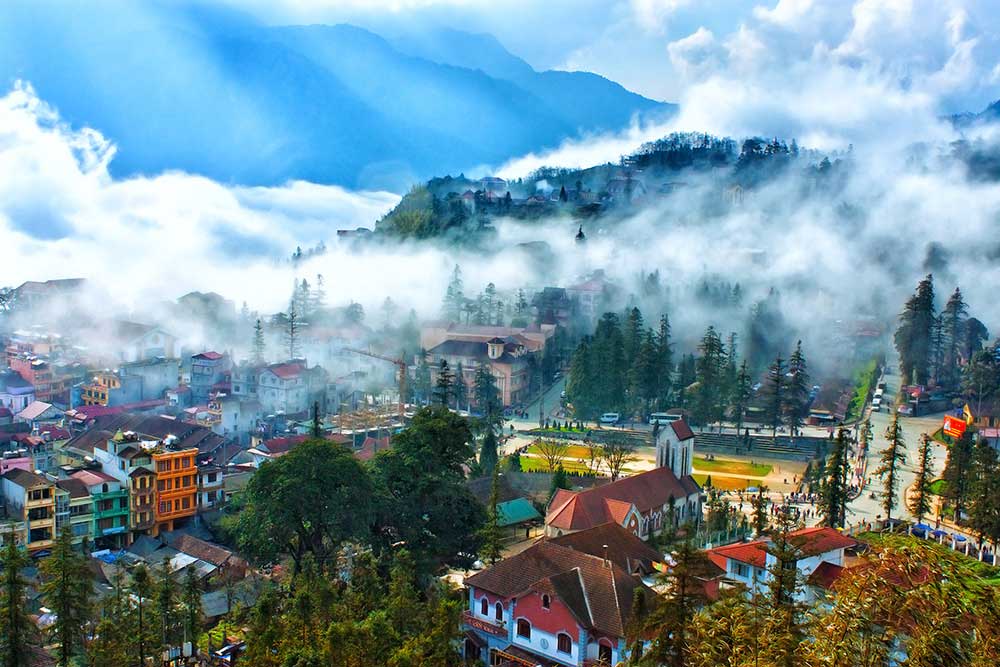
Some mornings, entire valleys disappear beneath a sea of white mist.

Mountain peaks emerge like islands floating above an ocean of clouds.

Roads twist through fog-covered forests.

Sunlight occasionally breaks through, illuminating isolated villages perched on distant hillsides.

The atmosphere constantly changes.

Every hour reveals a new version of the landscape.

This unpredictability is part of the magic.

No two visits are ever exactly the same.

The Villages That Preserve Another Way of Life

While many destinations attract visitors because of scenery, Sa Pa offers something deeper.

The region is home to several ethnic minority communities, including the Hmong, Dao, Tay, and Giay peoples.

These communities have preserved traditions, languages, clothing styles, farming techniques, and cultural identities across generations.

Walking through mountain villages feels less like sightseeing and more like entering a living cultural landscape.

Children play beside terraced fields.

Women create intricate textiles using techniques passed down through families.

Farmers continue working land their ancestors cultivated long before modern tourism arrived.

For travelers seeking authentic cultural experiences, these encounters often become the most meaningful part of the journey.

The Trek That Changes Everything

Many visitors arrive planning a short hike.

Few expect the experience to become the highlight of their entire Vietnam trip.

Trekking through Sa Pa is unlike traditional hiking.

You don't simply move through nature.

You move through people's lives.

The trails wind between rice terraces, rivers, bamboo forests, waterfalls, and remote villages.

One moment you're crossing a narrow mountain path.

The next you're sharing tea with a local family while overlooking valleys that seem to stretch forever.

Hours pass quickly.

Not because the walk is easy.

But because every turn reveals another scene worth stopping for.

Another photograph.

Another conversation.

Another memory.

Fansipan: The Roof of Indochina

Towering above the region stands Fansipan Mountain, the highest peak in Vietnam and all of Indochina.

For decades, reaching the summit required challenging multi-day treks.

Today, visitors can ascend by cable car, enjoying spectacular panoramic views along the way.

The journey itself is extraordinary.

Forests give way to cliffs.

Clouds drift beneath the cabins.

Mountain ranges extend endlessly toward the horizon.

At the summit, visitors often experience a sensation difficult to describe.

Part achievement.

Part awe.

Part gratitude.

The world simply looks different from up there.

The Food That Warms You From the Inside Out

Mountain climates shape mountain cuisine.

And Sa Pa's food reflects its environment perfectly.

Cool temperatures encourage hearty dishes filled with flavor and warmth.

Grilled meats sizzle over charcoal fires.

Fresh mountain vegetables arrive from nearby farms.

Traditional soups provide comfort after long days of trekking.

Locally grown herbs add distinctive aromas impossible to replicate elsewhere.

The dining experience feels intimate.

Authentic.

Connected to both place and season.

On cool evenings, surrounded by mountain air and distant lights scattered across the valley, even simple meals become memorable.

Hidden Corners Beyond the Famous Attractions

The most rewarding moments in Sa Pa often happen away from popular viewpoints.

A small café overlooking an empty valley.

A dirt road leading toward an unknown village.

A local market where residents gather not for tourists, but for daily life.

A waterfall discovered during an afternoon walk.

A conversation that begins with curiosity and ends with friendship.

These experiences rarely appear in guidebooks.

Yet they are often the moments travelers remember most.

Because they feel personal.

Because they cannot be replicated.

Because they belong only to that particular journey.

Why International Travelers Are Falling in Love With Sa Pa

Today's travelers increasingly seek more than beautiful photographs.

They want stories.

Experiences.

Connections.

Meaning.

Sa Pa offers all four.

The destination combines extraordinary scenery with genuine cultural depth.

Adventure with authenticity.

Comfort with discovery.

It delivers the emotional richness many travelers spend years searching for.

And unlike some famous destinations that become less impressive after arrival, Sa Pa consistently exceeds expectations.

When Is the Best Time to Visit?

Each season reveals a different side of the region.

Spring brings fresh greenery and blooming flowers.

Summer transforms the rice terraces into vibrant landscapes.

Autumn paints the valleys in spectacular shades of gold during harvest season.

Winter occasionally blankets higher elevations with frost and rare snowfall.

There is no single perfect time.

Only different versions of beauty.

Is Sa Pa Expensive?

Compared with many global mountain destinations, Sa Pa remains remarkably affordable.

Travelers can choose between luxury mountain resorts, boutique hotels, homestays, and budget accommodations.

Food is generally excellent value.

Guided treks remain accessible.

Even premium experiences often cost significantly less than comparable destinations elsewhere.

The Real Reason People Return

Visitors often arrive expecting scenery.

They leave remembering people.

The elderly woman tending a terrace field at sunrise.

The local guide sharing stories passed through generations.

The family inviting strangers to sit and drink tea.

The laughter echoing through a mountain village.

The child waving from a hillside path.

These moments create emotional connections that no photograph can fully capture.

And perhaps that is why so many travelers eventually return.

Not because they missed a landmark.

Not because they needed another photo.

But because somewhere among the clouds, mountains, and rice terraces, they discovered a version of travel that feels increasingly rare in the modern world.

A version built not around attractions, but around human experiences.

And once you've experienced Sa Pa, a small part of you never really leaves.

You simply spend the following months wondering when you'll finally come back.

The Geography of Silence: Unearthing the Paleolithic Heart of Central Vietnam in Phong Nha

Listen closely to the limestone massifs of Quảng Bình just as the late afternoon sun slips behind the Laotian border. The earth doesn't merely warm under the tropical light; it seems to breathe from its core. A steady, ice-cold drafts rushes out of the dark mountain mouths, colliding with the humid jungle air to create thin, swirling ribs of white mist that smell of wet river jade, crushed wild moss, and the subterranean minerals of water that hasn't seen the sun in three million years.

For the contemporary European and American traveler, the standard beach holidays and neon-lit night markets are losing their grip on the imagination. The search for something ancient and geographically monumental is driving a significant surge in premium international search volume toward Phong Nha-Kẻ Bàng National Park.

This is an extraordinary world shaped not by the hands of builders, but by the relentless patience of water boring through the oldest karst region in Asia. It is a primeval wilderness that commands deep reverence, currently pulling experiential travelers from London and San Francisco who want to disconnect from the modern grid and step directly into the belly of the planet.

The Cave Dynasties: A Conversation Between Silt and Stone

To cross the threshold into the Phong Nha valley is to exit the predictable rhythm of the coast. The landscape here is defined by colossal scale—massive limestone towers draped in primary rainforest, split open by turquoise rivers like the Son and the Chày that emerge mysteriously from solid rock faces.

The humans who inhabit this dramatic green crater possess a beautifully resilient, quiet, and deeply communal character. Many families in the valley were traditional jungle foragers and woodcutters for generations before the caves were mapped by modern geologists. Their relationship with the wilderness is symbiotic; they treat the underground rivers not as tourist corridors, but as living sacred veins.

The hospitality of the local people is remarkably raw and unhurried. They communicate with an easy, wide-eyed sincerity that instantly dismantles the cold distance of Western city life. Sit on a low bamboo bench outside a wooden stilt house in Bồng Lai Valley, and a local farmer will proudly offer you a cold glass of fresh sugarcane juice pressed right before your eyes, speaking with genuine warmth about how the mountains have protected their families through centuries of seasonal floods and historical isolation.

High-Spiced Charcoal and the Harvest of the Floodplains

The flavors of Phong Nha are shaped entirely by the rugged terrain and the pristine currents of the underground rivers. This is a cuisine of intense fire, wild herbs, and rich mountain minerals.

The Smoky Simplicity of Bồng Lai Chicken

The definitive culinary experience of the valley is Gà Nướng Bồng Lai (Bồng Lai Grilled Chicken). Free-range chickens that forage along the rocky hillsides are marinated in a pungent, sweet-sharp paste of wild pepper berries, crushed lemongrass, garlic, and local honey. The bird is split open and compressed between split bamboo sticks, then slow-roasted over natural wood coals until the fat renders completely and the skin turns a blistered, crackling mahogany. It is served rustic-style on a clean banana leaf, ripped apart with bare hands, and dipped into Muối Cheo—a brilliant local dipping salt pounded with fresh lime leaves, sea salt, and green bird’s eye chilies.

The Butter-Crisp Sauté of River Snails

Equally magnetic is Ốc Luộc (River Snails), gathered by hand from the crystal-clear limestone shallows of the Son River. Flashed in a hot wok with wild ginger, shredded lemongrass, and a sweet, spicy fish sauce glaze, they offer a dense, oceanic snap that is deeply satisfying when paired with a cold local lager as the jungle twilight settles in.

The Undiscovered Matrix: Moving Beyond the Daylight

While the massive show chambers of Paradise Cave capture the casual day-trippers, the true spirit of discovery belongs to those who pack a headlamp and wade into the water corridors where the trails end.

The Midnight Ink of Dark Cave

To experience total sensory deprivation, navigate a kayak to the mouth of Dark Cave (Hang Tối). Forgoing any artificial colored lights, this cave remains exactly as it was when it formed millions of years ago. Swimming through the narrow stone corridors with nothing but the beam of your helmet light, you eventually reach a deep, subterranean side chamber filled with pure, thick, buoyant mineral mud. Floating effortlessly in the velvety, weightless dark while listening to the slow, deep drip of water echoing through the stone chambers is a meditative, primitive experience that recalibrates your entire nervous system.

The Lost Canopy of the Nuớc Moọc Eco-Trail

Hidden deep within the karst forest lies the Nước Moọc Spring, a hidden pool where an underground river bursts violently out of the base of a limestone mountain. Skip the popular wooden boardwalks and scramble over the wet, black boulders toward the upper springs. Here, the water achieved a hypnotic, crystalline turquoise shade so bright it looks artificial. Surrounded by giant wild orchids and white butterflies, with the cold river water rushing over your feet at 60°F (16°C), you are standing in a slice of earth that feels entirely untouched by the Anthropocene.

The Wilderness Ledger: Operational Intelligence for the Expedition

The Climate Shift

Phong Nha functions on a strict, elemental seasonal loop. The premier window for Western travelers looking for optimal trekking weather, dry cave passages, and crystal-clear river visibility is from March to August. During these months, the sun is consistent, and the rivers maintain their iconic jade-blue hue. From September to November, the central monsoons arrive, causing the underground rivers to rise rapidly and rendering the deep cave systems inaccessible; however, this is when the valley turns an unimaginably vibrant, electric green.

The Journey Inland

Bypass the grueling, unorganized overland routes completely. The most elegant and seamless connection for international travelers is to take a quick domestic flight from Hanoi or Ho Chi Minh City to Dong Hoi Airport (VDH). From Dong Hoi, a private car transfer carries you along the pristine, scenic roads into the national park in just 45 minutes, tracing the path of the river as the mountains grow larger on the horizon.

The Economics of Exploration

Because the national park limits the volume of visitors to preserve its UNESCO status, it offers an exceptionally high-value experience compared to Western expedition travel:

  • A traditional charcoal-grilled chicken feast with local beer for two: $14.00 to $18.00.

  • A full-day guided jungle trek and swimming excursion into Dark Cave: $35.00 to $55.00.

  • A multi-day, deep-jungle expedition to hidden mega-caves (all-inclusive): $300 to $800 (directly funding local rangers and conservation).

  • A private, eco-conscious stilt bungalow overlooking the Son River: $60 to $115 per night.

Expedition Protocol & Local Ethics

This is one of the most biodiverse national parks in Asia; a strict take-nothing, leave-nothing policy is enforced by local park rangers. Single-use plastic bottles are actively banned on all jungle trails—invest in a premium hydration pack before arrival. When entering rural villages along the valley, remember to dress respectfully and remove your shoes when stepping onto the wooden porches of private homes. The local people view the mountains with deep pride and spiritual respect; matching their quiet, humble demeanor will turn every interaction into a lifelong connection.

The Ultimate Insider Secret: If you stay in the valley, wait until the clock strikes 9:00 PM. Walk out to the middle of the old suspension bridge that spans the Son River. At this hour, the village lanterns dim, and the towering limestone cliffs turn into massive, silent black silhouettes stretching into the starry sky. Look down into the water. Because the river is fed by underground mountain springs, the surface is completely flat, acting as a flawless black mirror reflecting the entire constellation of Orion. In that cool, whispering night air, with the jungle breathing softly around you, you will realize you haven't just traveled to a different country—you have traveled to the dawn of time.

Wednesday, March 16, 2011

Sapa: Vietnam’s Misty Highlands Where Every Step Tells a Story

The trail narrows as you climb, your breath visible in the crisp mountain air. Below you, endless terraces of rice cascade down the mountainside like emerald steps carved by giants. A light mist drifts through the valley, softening the edges of the world, while somewhere ahead, the faint sound of a Hmong folk song carries on the wind. In Sapa, you don’t just hike through the landscape — the landscape walks with you, reshaping how you see beauty, effort, and connection.

This highland town in northern Vietnam has long held a special place in the imaginations of travelers from the US and Europe. In 2026, it continues to rise as the destination of choice for those craving cool air, dramatic scenery, and meaningful encounters with ethnic communities that still live by ancient rhythms.

The Call of the Terraces

Sapa’s magic lies in its ever-changing face. One day you’re trekking through golden waves of ripening rice during harvest season; another, you’re surrounded by blooming flower fields in spring. The star of the show is Muong Hoa Valley, where you walk along stone paths built by local hands, passing waterfalls that tumble into crystal pools.

The trek to Fansipan, Vietnam’s highest peak, offers a more challenging adventure. Whether you ride the cable car or hike the traditional route, reaching the summit at sunrise — standing above a sea of clouds with the wind rushing around you — creates one of those rare, chest-swelling moments that remind you why you travel.

Lives Woven Into the Mountains

What truly sets Sapa apart is its people. The Black Hmong, Red Dao, Tay, and Giay communities welcome visitors with a warmth that feels earned through shared trails and simple gestures. You’ll meet women in intricately embroidered clothing who share stories of their villages while walking beside you, their laughter easy and their knowledge of the land profound.

Homestays in villages like Cat Cat or Ta Van let you live their rhythm for a night or two. Wake to the sound of roosters and water buffalo, help prepare breakfast over an open fire, and sit on the wooden floor as your host explains the meaning behind the patterns on her traditional dress. There’s a quiet strength and resilience in these communities — shaped by generations of mountain living — that leaves you quietly inspired.

Tastes Born from the Hills

After a day on the trails, the food hits differently. Sapa’s cuisine is fresh, aromatic, and deeply tied to the seasons.

Gather around a low table as the evening chill sets in and enjoy:

  • Grilled black chicken infused with mountain herbs and wild ginger
  • Fresh thang co stew rich with local spices
  • Smoky bamboo-tube rice cooked over fire
  • Vibrant salads of wild greens, peanuts, and tangy fermented sauces

The meals are hearty, meant to restore energy after long treks, and often paired with warm corn or rice wine shared in toasts that bridge language barriers with smiles and goodwill.

Hidden Corners Few Travelers Reach

While the main terraces draw attention, Sapa holds quieter treasures for those willing to go further:

  • O Quy Ho Pass, where dramatic viewpoints offer sweeping views with far fewer visitors.
  • Remote hamlets in the Ban Ho area, reachable by longer treks, where hot springs bubble naturally and life feels even more untouched.
  • Early morning walks through mist-covered forests where you might spot rare birds or simply enjoy the profound silence broken only by dripping leaves.

These places deliver that coveted feeling of having the mountains almost to yourself.

When to Answer the Call

The most rewarding periods are September to November, when the rice terraces turn brilliant gold during harvest, or March to May for mild weather and vibrant flower blooms. The cooler highland climate provides a welcome contrast to Vietnam’s tropical beaches, with crisp mornings and comfortable days perfect for exploration.

Sapa is easily reached by overnight train or private van from Hanoi (about 5-6 hours). Once there, hiring a local guide for treks ensures you discover hidden paths while supporting the community. Accommodations range from cozy homestays with views over the valleys to comfortable boutique hotels with fireplaces for chilly evenings.

You’ll find excellent value throughout — hearty meals and village experiences often cost surprisingly little, allowing you to stay longer and go deeper.

A few kind reminders: The trails can be slippery after rain, so good footwear matters. Be respectful when photographing people — a polite request and small conversation go much further than a quick snap. Support local guides and family-run homestays to help preserve this unique way of life.

The Mountains That Stay With You

Sapa doesn’t just offer views. It offers perspective. It’s the burn in your legs after a rewarding climb, the shared laughter over a simple meal, the quiet pride of a Hmong woman showing you her family’s rice field, and the way the mist seems to carry stories older than any guidebook.

In a world that often feels crowded and fast, Sapa gives you space to breathe, to move, and to connect — both with the land and with people living closer to it than most of us ever will.

You’ll return home with stronger legs, a fuller heart, and memories that feel more like stories you lived than places you visited. The highlands have a way of calling people back, and once you’ve walked these trails, you’ll understand why.

If you’re ready for a side of Vietnam that’s raw, beautiful, and deeply human, Sapa is waiting. The terraces are glowing, the trails are open, and that next unforgettable chapter of your journey might just begin in the mist.

Monday, March 14, 2011

The Bay That Leaves Even Experienced Travelers Speechless: Why Lan Ha Bay Is Vietnam’s Most Beautiful Alternative to Ha Long Bay

The first sound was not a motor.

Not a crowd.

Not music from a tour boat.

It was silence.

A rare kind of silence.

The kind that only exists when nature is so vast that human noise simply disappears into it.

As the small boat drifted through emerald waters, limestone towers rose vertically from the sea in every direction.

Some were covered in jungle.

Others appeared sculpted by centuries of wind and waves.

The morning mist lingered between the islands, softening the horizon and making the entire landscape feel almost mythical.

For a brief moment, it seemed impossible that such a place could still exist in the modern world.

Welcome to Lan Ha Bay.

A destination many seasoned travelers now quietly describe as the most breathtaking coastal experience in Vietnam.

Why International Travelers Are Suddenly Choosing Lan Ha Bay

For years, most visitors heading to northern Vietnam focused on Ha Long Bay.

The reputation was deserved.

The scenery remains spectacular.

But today's travelers increasingly seek something more.

They want beauty without overwhelming crowds.

Adventure without feeling rushed.

Authenticity without sacrificing comfort.

That search has led many American and European visitors toward Lan Ha Bay.

Located south of Ha Long Bay and bordering Cat Ba Island, Lan Ha Bay offers the same dramatic limestone landscapes that made the region famous while providing a noticeably more peaceful and immersive experience.

The difference becomes obvious almost immediately.

You spend less time navigating crowds and more time connecting with the environment itself.

The Moment You Realize Photos Never Did It Justice

Everyone arrives having seen photographs.

None of them prepare you for reality.

The scale is larger.

The colors are richer.

The atmosphere is more powerful.

From the deck of a boat, hundreds of limestone islands appear scattered across the sea like a giant natural maze.

Sunlight shifts continuously across the water.

Clouds create moving shadows across distant cliffs.

Every direction offers another postcard-worthy view.

Yet photographs capture only what you see.

They cannot capture what you feel.

The breeze carrying traces of salt and tropical vegetation.

The gentle movement of water against the boat.

The overwhelming sense of perspective that comes from being surrounded by landscapes millions of years in the making.

Kayaking Through a Hidden World

Many visitors remember one activity above all others.

Kayaking.

Not because it is adventurous.

Because it reveals a completely different side of the bay.

Small passages lead into hidden lagoons enclosed by towering cliffs.

Sea caves open unexpectedly into private worlds invisible from the outside.

The water remains so calm in certain areas that reflections create perfect mirror images of the surrounding landscape.

There are moments when it feels as though you are the first person to discover these places.

Of course, you aren't.

But the experience feels wonderfully personal.

And that feeling is increasingly rare.

Floating Villages and Life on the Water

Long before tourism arrived, people called these waters home.

Scattered throughout the bay are traditional floating communities that offer fascinating insights into a unique way of life.

Homes rest directly above the water.

Fishing remains central to daily routines.

Families have developed a deep understanding of tides, weather, and marine ecosystems over generations.

Visitors often find these encounters among the most memorable aspects of their journey.

Because beyond the scenery lies a human story.

A reminder that extraordinary landscapes are also living communities.

Cat Ba Island: The Perfect Companion

One reason Lan Ha Bay has gained popularity is its connection to Cat Ba Island.

Many travelers combine both destinations into a single experience.

The island offers dense forests, dramatic viewpoints, hiking opportunities, secluded beaches, and local culture.

A morning might begin kayaking among limestone islands.

An afternoon could involve exploring tropical forests.

An evening may end watching the sunset over the bay from a quiet waterfront restaurant.

The variety keeps every day feeling fresh.

The Hidden Beaches Most Visitors Never Find

One of Lan Ha Bay's greatest luxuries is access to beaches unreachable by road.

Tiny stretches of sand appear between limestone cliffs.

Some are accessible only by boat or kayak.

Others remain hidden from casual visitors.

The sensation of stepping onto a nearly empty beach surrounded by towering rock formations is difficult to describe.

It feels less like tourism and more like discovery.

For travelers accustomed to crowded coastal destinations, these moments can feel transformative.

Seafood With a View Unlike Any Other

The sea shapes every aspect of life here, including the cuisine.

Fresh seafood dominates local menus.

Fish, squid, prawns, oysters, and crab arrive daily from surrounding waters.

Meals often take place with uninterrupted views of the bay itself.

The setting elevates everything.

Simple ingredients become memorable experiences.

Fresh flavors combine with ocean breezes and extraordinary scenery.

Visitors frequently find themselves lingering long after the meal ends.

Not because they are still eating.

Because they do not want the moment to end.

The Best Time to Visit

The most popular months generally fall between October and April, when temperatures are comfortable and conditions are favorable for outdoor exploration.

Spring often brings clear skies and pleasant weather.

Autumn offers excellent visibility and fewer extremes of temperature.

Each season reveals a slightly different personality.

Yet the bay rarely loses its magic.

Is Lan Ha Bay Expensive?

The destination accommodates a wide range of travel styles.

Luxury cruises offer premium experiences with exceptional service.

Boutique vessels provide intimate journeys through less-visited areas.

Independent travelers can explore affordably through Cat Ba Island.

Compared with many famous coastal destinations worldwide, the value remains impressive.

Questions Travelers Frequently Ask

Is Lan Ha Bay better than Ha Long Bay?

Many travelers prefer Lan Ha Bay because it offers similar scenery with a quieter and more relaxed atmosphere.

How many days should I stay?

Two to four days allows enough time to experience both the bay and Cat Ba Island without rushing.

Can I visit without joining a large tour?

Yes.

Many smaller cruises and independent options are available.

Is it suitable for families?

Absolutely.

The calm waters and variety of activities appeal to travelers of all ages.

The Luxury of Feeling Small

Modern travel often focuses on doing more.

Seeing more.

Posting more.

Checking off more destinations.

Lan Ha Bay offers the opposite.

It invites you to slow down.

To sit quietly on a boat deck.

To watch sunlight move across ancient cliffs.

To listen to water instead of notifications.

To remember that some of the world's most extraordinary experiences require nothing more than being present.

And perhaps that is why so many travelers leave with the same thought.

Not that they found another beautiful destination.

But that they experienced something increasingly difficult to find in modern tourism:

Wonder.

The kind of wonder that lingers long after the journey ends.

The kind that quietly whispers, months later:

"You need to go back."