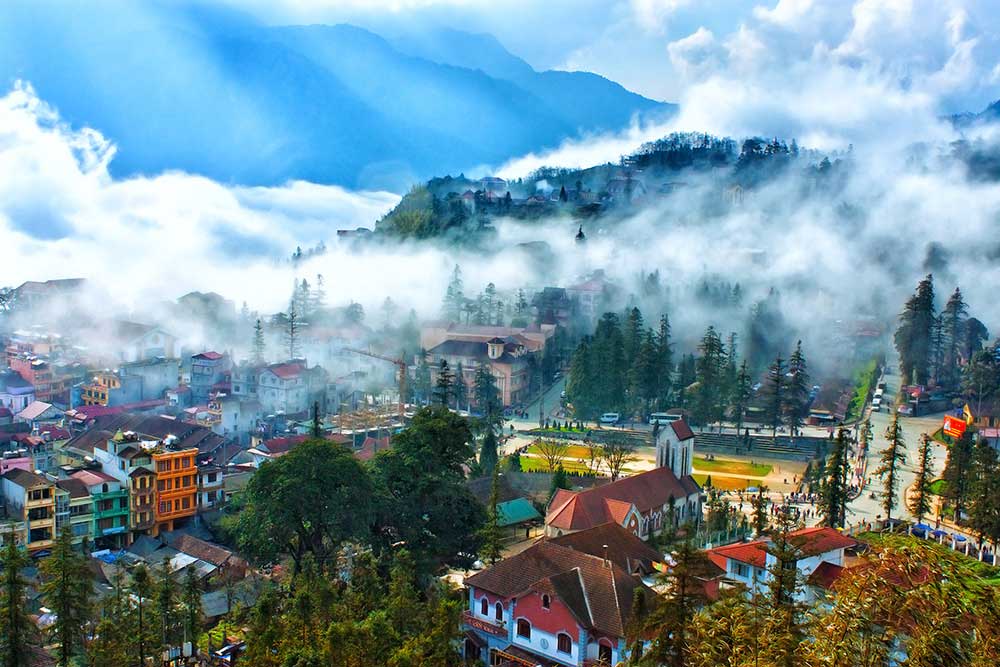
The trail narrows as you climb, your breath visible in the crisp mountain air. Below you, endless terraces of rice cascade down the mountainside like emerald steps carved by giants. A light mist drifts through the valley, softening the edges of the world, while somewhere ahead, the faint sound of a Hmong folk song carries on the wind. In Sapa, you don’t just hike through the landscape — the landscape walks with you, reshaping how you see beauty, effort, and connection.
This highland town in northern Vietnam has long held a special place in the imaginations of travelers from the US and Europe. In 2026, it continues to rise as the destination of choice for those craving cool air, dramatic scenery, and meaningful encounters with ethnic communities that still live by ancient rhythms.
The Call of the Terraces
Sapa’s magic lies in its ever-changing face. One day you’re trekking through golden waves of ripening rice during harvest season; another, you’re surrounded by blooming flower fields in spring. The star of the show is Muong Hoa Valley, where you walk along stone paths built by local hands, passing waterfalls that tumble into crystal pools.
The trek to Fansipan, Vietnam’s highest peak, offers a more challenging adventure. Whether you ride the cable car or hike the traditional route, reaching the summit at sunrise — standing above a sea of clouds with the wind rushing around you — creates one of those rare, chest-swelling moments that remind you why you travel.
Lives Woven Into the Mountains
What truly sets Sapa apart is its people. The Black Hmong, Red Dao, Tay, and Giay communities welcome visitors with a warmth that feels earned through shared trails and simple gestures. You’ll meet women in intricately embroidered clothing who share stories of their villages while walking beside you, their laughter easy and their knowledge of the land profound.
Homestays in villages like Cat Cat or Ta Van let you live their rhythm for a night or two. Wake to the sound of roosters and water buffalo, help prepare breakfast over an open fire, and sit on the wooden floor as your host explains the meaning behind the patterns on her traditional dress. There’s a quiet strength and resilience in these communities — shaped by generations of mountain living — that leaves you quietly inspired.
Tastes Born from the Hills
After a day on the trails, the food hits differently. Sapa’s cuisine is fresh, aromatic, and deeply tied to the seasons.
Gather around a low table as the evening chill sets in and enjoy:
- Grilled black chicken infused with mountain herbs and wild ginger
- Fresh thang co stew rich with local spices
- Smoky bamboo-tube rice cooked over fire
- Vibrant salads of wild greens, peanuts, and tangy fermented sauces
The meals are hearty, meant to restore energy after long treks, and often paired with warm corn or rice wine shared in toasts that bridge language barriers with smiles and goodwill.
Hidden Corners Few Travelers Reach
While the main terraces draw attention, Sapa holds quieter treasures for those willing to go further:
- O Quy Ho Pass, where dramatic viewpoints offer sweeping views with far fewer visitors.
- Remote hamlets in the Ban Ho area, reachable by longer treks, where hot springs bubble naturally and life feels even more untouched.
- Early morning walks through mist-covered forests where you might spot rare birds or simply enjoy the profound silence broken only by dripping leaves.
These places deliver that coveted feeling of having the mountains almost to yourself.
When to Answer the Call
The most rewarding periods are September to November, when the rice terraces turn brilliant gold during harvest, or March to May for mild weather and vibrant flower blooms. The cooler highland climate provides a welcome contrast to Vietnam’s tropical beaches, with crisp mornings and comfortable days perfect for exploration.
Sapa is easily reached by overnight train or private van from Hanoi (about 5-6 hours). Once there, hiring a local guide for treks ensures you discover hidden paths while supporting the community. Accommodations range from cozy homestays with views over the valleys to comfortable boutique hotels with fireplaces for chilly evenings.
You’ll find excellent value throughout — hearty meals and village experiences often cost surprisingly little, allowing you to stay longer and go deeper.
A few kind reminders: The trails can be slippery after rain, so good footwear matters. Be respectful when photographing people — a polite request and small conversation go much further than a quick snap. Support local guides and family-run homestays to help preserve this unique way of life.
The Mountains That Stay With You
Sapa doesn’t just offer views. It offers perspective. It’s the burn in your legs after a rewarding climb, the shared laughter over a simple meal, the quiet pride of a Hmong woman showing you her family’s rice field, and the way the mist seems to carry stories older than any guidebook.
In a world that often feels crowded and fast, Sapa gives you space to breathe, to move, and to connect — both with the land and with people living closer to it than most of us ever will.
You’ll return home with stronger legs, a fuller heart, and memories that feel more like stories you lived than places you visited. The highlands have a way of calling people back, and once you’ve walked these trails, you’ll understand why.
If you’re ready for a side of Vietnam that’s raw, beautiful, and deeply human, Sapa is waiting. The terraces are glowing, the trails are open, and that next unforgettable chapter of your journey might just begin in the mist.


0 nhận xét:
Post a Comment