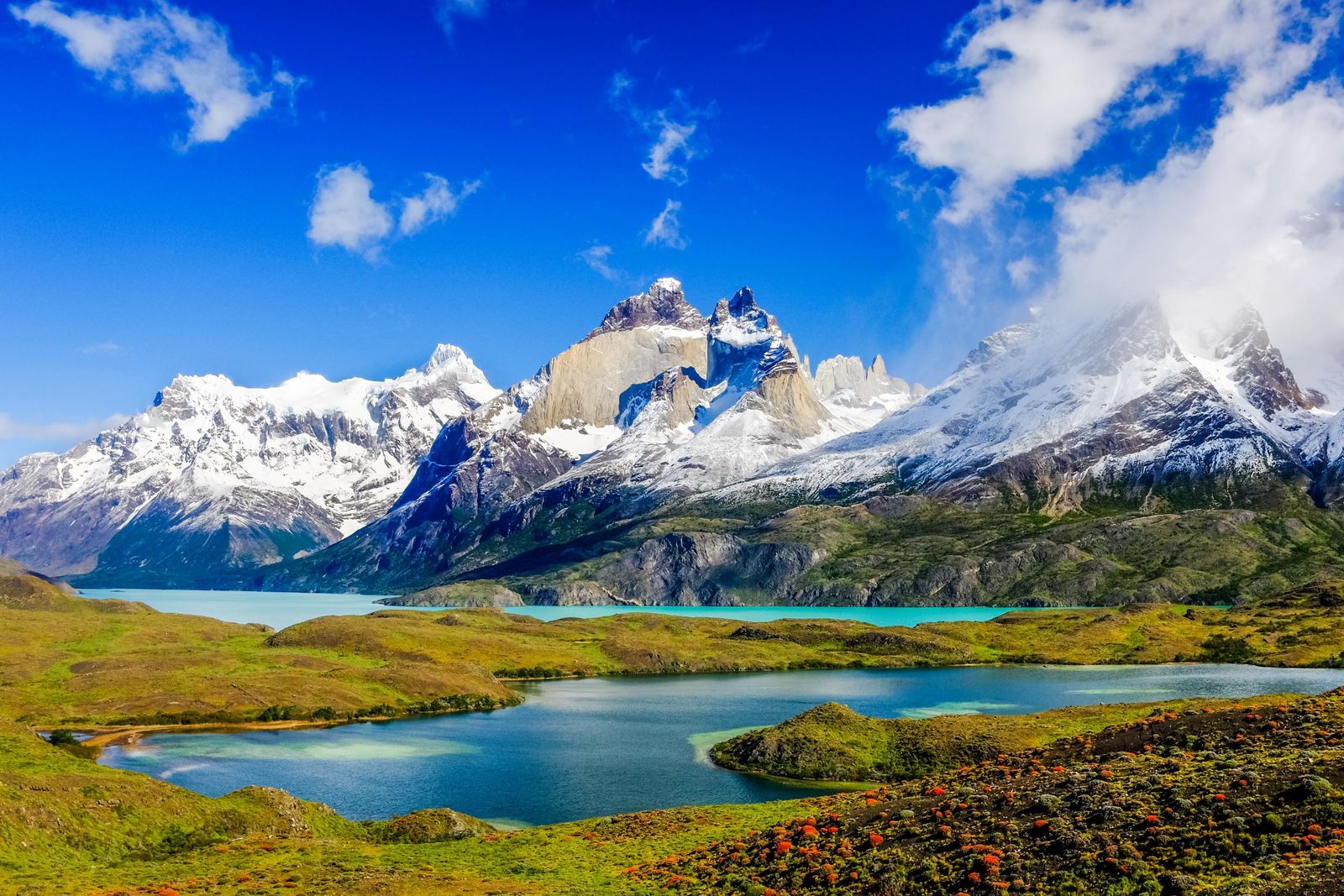
The wind hits you first — fierce, unrelenting, carrying the clean scent of ice, rock, and ancient forests. You stand on a rugged trail, boots sinking slightly into the earth, as jagged granite spires called the Torres del Paine pierce a sky so blue it almost hurts to look at. Below, turquoise glacial lakes reflect the mountains like perfect mirrors, while condors wheel silently overhead. In Patagonia, nature doesn’t just impress you. It humbles you, resets you, and leaves an imprint that follows you long after you’ve returned home.
This vast, windswept region spanning southern Chile and Argentina has captured the imagination of travelers worldwide in 2026. With its raw, untamed landscapes and growing reputation as one of the last great wilderness areas, Patagonia draws those seeking something deeper than typical vacations — a place where adventure feels real, silence has weight, and every step connects you to something ancient and powerful.
The Landscape That Changes You
Patagonia’s beauty is uncompromising. In Chilean Patagonia, Torres del Paine National Park stands as the crown jewel. Hike the famous W Trek or the full Circuit, and you’ll pass through ecosystems that shift dramatically — dense forests, rolling pampas, and glacier-fed rivers. The sight of Grey Glacier calving into the lake, massive chunks of ice crashing with thunderous booms, creates one of those rare moments where words fail and you simply stand in awe.
On the Argentine side, Los Glaciares National Park offers Perito Moreno Glacier, one of the few advancing glaciers in the world. Watching it from the boardwalks as it groans and cracks is mesmerizing. Further south, the windswept plains around El Chaltén provide world-class trekking to Fitz Roy and Cerro Torre, peaks so dramatic they look like they belong in a fantasy novel.
The scale is what stays with you. Days where you walk for hours without seeing another soul. Nights so clear the Milky Way feels close enough to touch. This is a land that reminds you how small yet connected we are.
People Who Live Close to the Elements
Patagonians — whether Chilean gauchos or Argentine locals in remote estancias — embody resilience and quiet hospitality. Life here demands respect for nature’s power. You might share maté with a shepherd who’s spent decades riding these lands, listening to stories of legendary winds that can knock you off your feet or the spirits said to guard the mountains.
Their culture values self-reliance, storytelling, and a deep connection to the land. Traditions like asados (barbecues) under the stars or gathering around a fire after a long day on horseback feel timeless and profoundly human. There’s a straightforward warmth once you earn it — no pretension, just genuine interest in sharing their corner of the world.
Flavors Forged by Wind and Fire
Patagonian cuisine is simple, hearty, and incredibly satisfying after days in the elements. The star is lamb or beef slow-roasted over an open fire — asado done right, with crisp skin and tender meat infused with smoke and herbs from the steppe.
Pair it with fresh trout from glacial rivers, wild berries, or mushrooms foraged from the forest. In Chilean Patagonia, king crab and seafood shine, while Argentine sides offer excellent Malbec and local wines that somehow taste better with the mountain air. Meals are rarely rushed; they’re social rituals where stories flow as freely as the wine.
Hidden Corners That Feel Like Discoveries
While Torres del Paine and Perito Moreno draw the crowds, Patagonia rewards those who venture deeper. Seek out the remote Cerro Castillo in Chile for challenging hikes with fewer people. Or explore the Aysén Region with its marble caves, fjords, and almost otherworldly scenery. In Argentina, the Santa Cruz province holds secret valleys and estancias where you can experience authentic gaucho life away from any tourist trail.
These places deliver that rare, coveted feeling of having the end of the world mostly to yourself.
When to Go and How to Make It Happen
The best time is November to March (austral summer) when days are long, weather is milder, and trails are accessible. Shoulder seasons offer fewer crowds and beautiful light, though winds can be stronger and some facilities limited.
Fly into Punta Arenas or El Calafate, then use buses, rentals, or guided tours to explore. Many visitors combine both sides of Patagonia for the full experience. Accommodations range from luxury eco-lodges with stunning views to cozy refugios along trekking routes and working estancias. Costs vary widely — budget travelers can manage well with camping and local transport, while those seeking comfort will find excellent value in boutique properties.
A few important notes: Respect the fragile environment by sticking to trails and following Leave No Trace principles. Winds can be extreme, so pack layers and sturdy gear. Support local operators and community-based tourism to help preserve this special place.
The Call of the Last Frontier
Patagonia doesn’t just show you scenery. It surrounds you with sensations — the bite of cold wind on your face after a glacier trek, the taste of perfectly grilled lamb under a sky full of stars, the profound silence broken only by the distant rumble of ice, and the easy camaraderie found around a campfire with fellow adventurers and locals.
In an increasingly crowded world, Patagonia remains one of the few places where you can still feel the wildness of the planet. It’s not easy to reach, and it doesn’t try to be convenient. That’s exactly why it matters.
You’ll leave with stronger legs, a clearer mind, stories worth telling, and a quiet ache to return to those endless horizons where the earth still feels raw and honest.
The mountains are waiting. The glaciers are calving. The wind is calling your name.
This is more than a destination. It’s a reminder of what it feels like to be truly alive in nature’s grandest theater.
Pack your boots. Book the ticket. Patagonia is ready to show you something unforgettable — and you need to experience this place for yourself.


0 nhận xét:
Post a Comment