Pages

Wednesday, May 25, 2011

The Red Earth of the Frontier: Chasing the Trails of Coffee and Clay in Đắk Lắk

If you step off a narrow dirt path into the dense forest of Yok Đôn at dawn, the world immediately hums with a raw, resonant frequency. The air doesn't merely circulate; it carries a deep, complex warmth—a sensory cocktail of sun-scorched basalt soil, the earthy bitterness of dark wood roast, and the sharp, floral perfume of wild coffee fields kissed by a heavy mountain dew.

Look into the distance where the morning mist rises from the brown currents of the Serepôk River. The sun doesn't just rise; it bleeds onto the landscape, tinting the massive thatch roofs of the traditional communal houses a deep, volcanic red.

For the modern Western traveler, the well-trodden coastal resorts and the packed historical alleys of the lowlands are starting to feel like a familiar script. Conscious wanderers from Europe and North America are looking further inland, searching for landscapes that are geographically robust, culturally preserved, and unapologetically wild. Current real-time global travel data reveals an unprecedented surge in high-intent searches targeting Đắk Lắk Province—the heart of Vietnam’s Central Highlands (Tây Nguyên).

Đắk Lắk is an intense, beautiful contradiction. It is an elevated volcanic plateau where ancient primary rainforests border vast, geometric coffee estates, and where the matrilineal traditions of the indigenous Ê Đê and M'nông people have spent centuries thriving in isolation. It is a destination that completely bypasses the standard tourist blueprint, inviting travelers to step into a living, breathing frontier that operates entirely on its own natural rhythm.

The House of the Long Boat: Matriarchy and the Echo of the Gong

To understand the human tapestry of Đắk Lắk, you must leave the provincial hum of Buôn Ma Thuột and walk into the quiet, shaded lanes of Buôn Đôn or Buôn Akô Dhông. Here, the architecture itself tells a story of female lineage and deep ancestral pride.

The traditional Ê Đê longhouse (Nhà Dài) is a striking structural marvel. Built on low, heavy timber stilts, these dark-wood longhouses stretch for dozens of meters through the greenery, expanding horizontally whenever a daughter of the family marries.

The entrance to the home is marked by the Cầu Thang Cái (the female staircase), a hand-carved wooden ladder decorated with a crescent moon and a pair of maternal breasts. To step up these steps is to acknowledge a culture where women are the absolute keepers of the hearth, land, and lineage.

The character of the highland people is fiercely independent yet remarkably gentle. They speak in a low, melodic cadence that mirrors the rustle of the forest canopy. Their hospitality is not a transaction; it is a sacred invitation into their history.

If you spend an evening sitting on a polished bamboo mat inside a longhouse, the village elders will invite you to gather around a large, earthen jar of Rượu Cần (fermented rice wine consumed through long, flexible bamboo straw tubes). As the fire embers glow red, they may bring out their ancient bronze gongs (Cồng Chiêng). The music they create is not meant for entertainment. It is a dense, rhythmic wall of sound that vibrates through the wooden floor planks and into your chest—a sonic tradition recognized by UNESCO that communicates directly with the spirits of the mountains.

The Altar of Basalt: Smoke, Clay, and Bitter Honey

The culinary identity of the Central Highlands is defined by wild foraging, woodsmoke preservation, and the intense flavors extracted from the volcanic soil. This is food that rejects delicate garnishes, focusing instead on robust textures and medicinal mountain herbs.

The Aromatic Fire of Gà Nướng Bản Đôn

The definitive taste of the frontier is Gà Nướng Bản Đôn (Buôn Đôn-style grilled chicken). Free-range mountain chickens are marinated in a pungent paste of wild bird’s eye chilies, crushed garlic, and lemony lemongrass stalks, before being skewered on split bamboo sticks and slow-roasted over burning coffee-wood embers. The result is an incredible contrast: skin that blisters into a crisp, smoky mahogany, and meat that is deeply juicy, carrying a sharp, wild-herb perfume. It is torn apart by hand and dipped into Muối Ớt Rừng—a rustic salt pounded with fiery green mountain peppers.

The Deep Indigo Sip of High-Plateau Coffee

You cannot speak of Đắk Lắk without honoring its liquid gold. Buôn Ma Thuột is the coffee capital of Southeast Asia, but the true experience lies in drinking it Slow-Drop style at a rustic estate. Local Robusta beans, grown in the iron-rich basalt soil, are roasted with a touch of local butter, yielding a brew that is dark as obsidian, thick as velvet, and intensely fragrant with notes of dark cacao and toasted hazelnut. Sipping this liquid fire while looking out over an ocean of white coffee blossoms is a sensory ritual that resets your understanding of the bean entirely.

The Secret Canvas: Tracing Hidden Rivers and Dark Basalt Caves

While the majestic cascades of Dray Nur waterfall draw the daytime sightseers, the true, untamed spirit of the province reveals itself to those who push deeper into the geological folds of the plateau.

The Silent Solitude of Lắk Lake

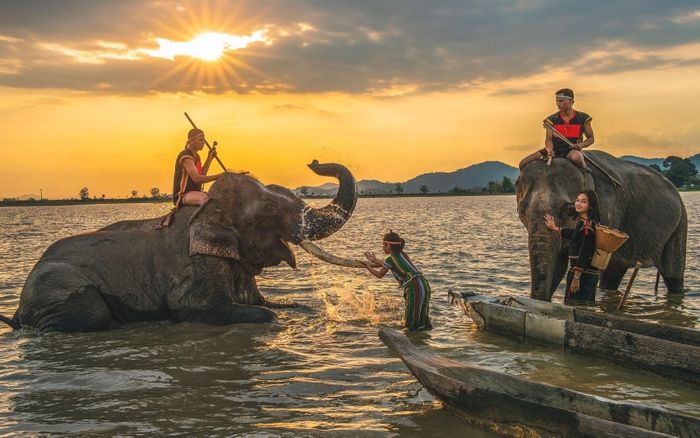
For an experience of total, meditative isolation, travel south to Lắk Lake (Hồ Lắk), the largest natural freshwater lake in the region. At 5:00 AM, the lake is completely cloaked in a heavy, slate-gray blanket of fog. Rent a traditional wooden dugout canoe (Thuyền Độc Mộc) with a local M'nông fisherman. As his paddle cuts through the still water, the mist breaks apart to reveal the profiles of wild water buffaloes grazing in the shallows and the distant, shadowy ridges of the Chư Yang Sin mountain range. It is a landscape that feels completely unpainted by the modern world.

The Volcanic Cathedrals of the Chư Blúk Matrix

Hidden on the border of the plateau lies the Chư Blúk Volcanic Cave System, the longest system of volcanic caves in Southeast Asia. This is a rugged, uncommercialized labyrinth of over a hundred basalt tubes formed by ancient lava flows. Scrambling through the dark, jagged stone passages with a headlamp, you suddenly enter massive chambers where the roof has collapsed, allowing spears of golden sunlight to illuminate lush, subterranean rainforests growing directly out of the ancient lava floor. It feels less like tourism and more like a Paleolithic descent into the core of the earth.

The Frontier Blueprint: Operational Intelligence for the Explorer

The High-Plateau Seasons

Đắk Lắk operates on a distinct, two-season tropical matrix. The premier window for international travelers seeking optimal trekking conditions, vibrant cultural festivals, and comfortable weather is the Dry Season, from December to April. March is exceptionally magical, as the endless coffee plantations erupt into a brief, spectacular sea of white blossoms that smell faintly of jasmine. The wet season, from May to November, brings dramatic afternoon downpours that turn the waterfalls into roaring giants, though rural dirt roads can become challenging to navigate.

The Air Connection

Bypass the long, exhausting overland bus routes from the coast completely. The most seamless and efficient method for international travelers is to fly directly into Buôn Ma Thuột Airport (BMV) via quick, 1-hour domestic connections from either Ho Chi Minh City or Hanoi. From the airport, booking a private car transfer allows you to glide smoothly into the national park eco-lodges or boutique city stays within thirty minutes.

The Economics of the Highlands

Because Đắk Lắk remains deeply grounded in its agricultural roots rather than mass commercial tourism, it offers an incredible baseline of practical value for independent explorers:

  • A traditional charcoal-roasted chicken feast with local rice for two: $10.00 to $14.00.

  • A cup of authentic, single-origin Robusta coffee at a local longhouse: $1.50 to $2.50.

  • A private, half-day guided canoe exploration and cultural trek around Lắk Lake: $35.00 to $50.00.

  • A night at a beautiful boutique eco-lodge overlooking the lake or forest: $65 to $120 per night.

Cultural Boundaries and Forest Ethics

This is a region of deep ancestral customs and highly protected biospheres. When entering an Ê Đê longhouse, pay close attention to the staircase: male visitors traditionally enter through the plain back stairs, while guests are welcomed via the front female staircase. Always remove your footwear before crossing the wooden threshold. When visiting indigenous villages, never touch the sacred poles outside the communal houses (Nhà Rông), as they are central to local spiritual ceremonies. Practice absolute environmental mindfulness within Yok Đôn National Park—single-use plastics are strictly discouraged, and matching the quiet, humble demeanor of the local rangers ensures you are received as a true friend of the forest.

Monday, May 2, 2011

Con Dao: Vietnam’s Remote Island Sanctuary Where Paradise Meets Profound Peace

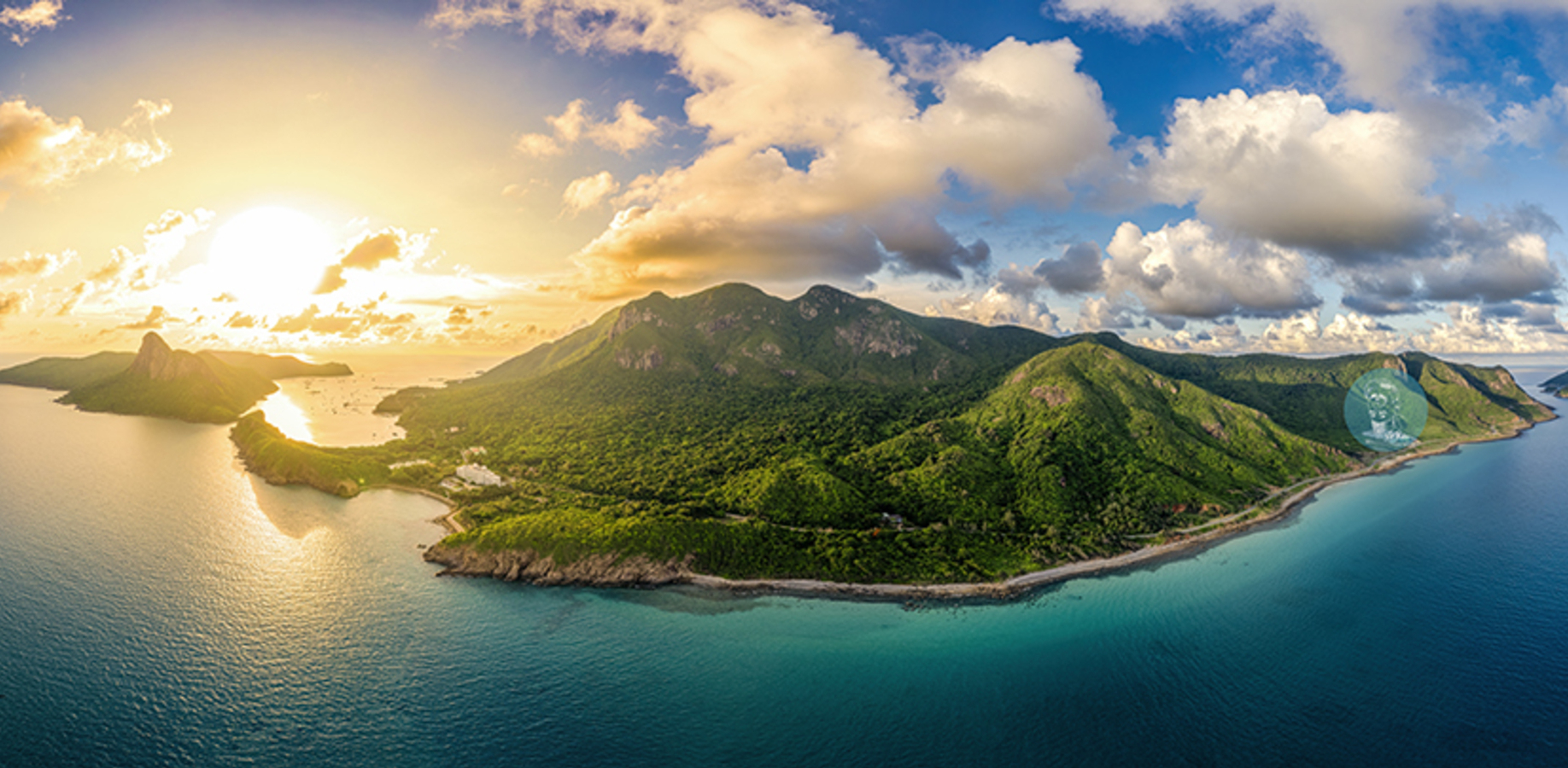
The boat cuts through calm waters as the islands rise on the horizon like emerald jewels scattered across the South China Sea. You feel the shift immediately — the air is cleaner, the pace slower, and the weight of the mainland seems to dissolve with every nautical mile. By the time you step onto the dock in Con Son, the largest of the Con Dao Islands, a deep sense of calm settles over you. This isn’t just another tropical escape. It’s a place that quietly demands your full presence.

Once known primarily for its dark history as a colonial and wartime prison, Con Dao has transformed in recent years into one of Vietnam’s most compelling destinations for American and European travelers seeking pristine nature, meaningful reflection, and beaches that still feel undiscovered. Its growing appeal lies in that perfect tension: raw natural beauty paired with a powerful story of resilience that gives the island unexpected emotional depth.

An Island That Holds Both Light and Shadow

The contrast hits you the moment you begin exploring. On one side, the infamous Con Dao Prison Complex stands as a solemn reminder of the past. Walking through the preserved cells and hearing stories from former prisoners (some of whom now work as guides) creates a profoundly moving experience. It’s not heavy in a way that weighs you down, but rather grounding — a testament to human endurance that makes the surrounding paradise feel even more precious.

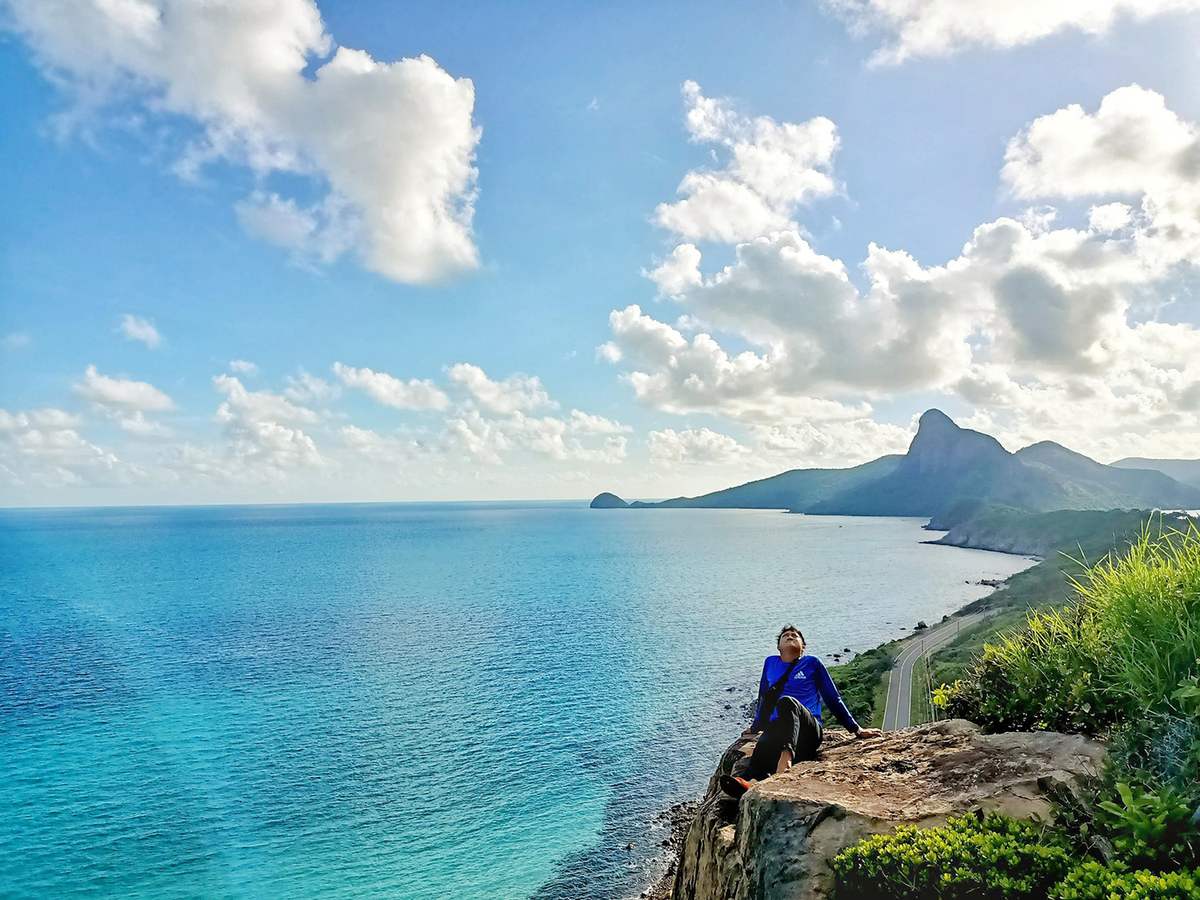
Then you step outside, and the island reveals its other face. Pristine beaches with powdery white sand and water so clear you can watch schools of fish from the shore. Bai Dam Trau and Bai Sao are standout stretches, where the only footprints are often your own, especially in the early morning when the light turns everything golden and the sea feels like silk against your skin.

Nature That Demands Wonder

Con Dao’s real treasure lies in its commitment to conservation. The islands serve as a vital nesting ground for green sea turtles. During nesting season, you can join respectful nighttime watches where local rangers guide you to witness these ancient creatures coming ashore — a silent, almost spiritual experience as mothers lay their eggs under starlit skies.

The surrounding waters belong to Con Dao National Park, offering some of Vietnam’s best diving and snorkeling. Colorful coral gardens, massive groupers, and the occasional gentle sea turtle glide by as you float in warm, protected bays. On land, hiking trails through dense forest lead to sweeping viewpoints where the only sounds are wind through the trees and distant waves.

A Community Rooted in Quiet Strength

The people of Con Dao carry a unique blend of resilience and warmth shaped by their isolated history. Many families have deep roots here, and you’ll feel their genuine hospitality in small gestures — a fisherman offering you a share of the morning’s catch, or a homestay owner cooking extra portions because “guests should never leave hungry.”

Evenings in the small town of Con Son have a charming, village-like feel. Motorbikes are few, conversations flow easily at waterfront cafés, and the night market fills with the aroma of grilled seafood and fresh coconut. Locals move with an unhurried pride, happy to share their island while preserving its peaceful character.

Flavors Fresh from Sea and Garden

Food here is wonderfully straightforward and incredibly fresh. Sit at a simple beachside eatery as the sun sets and enjoy:

  • Just-caught crab or lobster prepared with minimal seasoning to let the natural sweetness shine
  • Fresh spring rolls stuffed with herbs from backyard gardens
  • Grilled squid with chili-lime dipping sauce that perfectly balances heat and brightness
  • Sweet, juicy mangoes and bananas grown right on the island

Portions are generous, prices gentle, and meals often turn into long conversations with the owners, who take visible pride in what they serve.

Hidden Moments That Feel Personal

Beyond the main beaches and prison sites, Con Dao offers quieter rewards:

  • Bay Canh Island, reachable by boat, where you can camp overnight and witness turtle nesting in near solitude.
  • Remote coves accessible only by scooter or short hike, where the water is impossibly clear and the world feels miles away.
  • Early morning walks around the lighthouse, where the island wakes up slowly and the light creates magical conditions for reflection.

These experiences deliver that coveted sense of having the island’s best secrets all to yourself.

When to Visit and How to Get There

The ideal time is from March to August for the driest weather and calmest seas, perfect for diving and beach days. The island remains relatively quiet even during peak season compared to mainland hotspots.

Con Dao is best reached by a short flight from Ho Chi Minh City or a scenic (though longer) boat ride. Once there, renting a motorbike is the most enjoyable way to explore the winding coastal roads. Accommodations range from simple, charming guesthouses in town to a few higher-end eco-resorts with ocean views. Costs are pleasantly reasonable — excellent seafood meals often cost under $15, and activities like boat trips or turtle watches offer remarkable value.

A few gentle reminders: Respect the turtle nesting areas by following ranger guidelines, dress modestly at historical sites, and move quietly to preserve the island’s tranquil atmosphere. English isn’t widely spoken outside tourist spots, so a translation app and an open, respectful attitude will enrich every interaction.

The Island That Changes How You See Paradise

Con Dao doesn’t try to be everything. Instead, it offers something rarer: space to breathe, stories that move you, nature that humbles you, and a gentle reminder that the most meaningful escapes often lie in places that have preserved their soul.

You’ll leave with salt on your skin, the sound of waves still echoing in your ears, and a heart a little fuller from witnessing both the island’s difficult history and its incredible capacity for renewal. In a world of increasingly crowded beaches, Con Dao stands as Vietnam’s best-kept island secret — wild, sincere, and profoundly beautiful.

The boats are ready, the turtles are returning, and those empty stretches of perfect sand are waiting for your footprints. This might be the one place in Vietnam that truly resets you.

Are you ready to let this special island find you?

Monday, April 18, 2011

Vietnam’s Most Surprising Landscape: Why Ninh Binh Feels Like Discovering a Lost World

The first thing you notice in Ninh Binh is silence.

Not complete silence.

The kind that exists between birdsong, distant temple bells, and the gentle splash of an oar cutting through emerald water.

After the noise of major cities, it feels almost unreal.

You sit inside a small wooden boat.

Towering limestone mountains rise vertically from flooded rice fields.

Misty peaks disappear into low clouds.

The river bends around hidden caves and forgotten valleys.

For a moment, it becomes difficult to believe you are still in the same country as bustling Hanoi.

This is Ninh Binh.

And while millions of travelers visit Vietnam each year, an increasing number of experienced travelers are quietly placing this remarkable region at the very top of their bucket lists.

Not because it is Vietnam’s most famous destination.

But because it might be its most magical.

The Place That Makes First-Time Visitors Stop Talking

Many destinations impress people.

Very few leave them speechless.

Ninh Binh belongs to the second category.

Photographs help.

Drone videos help.

Travel documentaries help.

Yet none fully prepare visitors for the moment they see the landscape with their own eyes.

Massive limestone karsts erupt dramatically from flat plains.

Ancient rivers wind through valleys hidden between mountains.

Rice paddies glow green, gold, or silver depending on the season and sunlight.

Locals often go about their daily routines beneath scenery that would be considered a national treasure almost anywhere else on Earth.

The landscape feels less like geography and more like fantasy.

Many travelers compare it to scenes from mythical kingdoms.

Others say it resembles a lost civilization hidden from the modern world.

Neither description feels exaggerated once you arrive.

Why International Travelers Are Suddenly Paying Attention

For years, Ninh Binh lived in the shadow of Vietnam's more famous destinations.

That is changing rapidly.

Travelers are increasingly searching for places that feel authentic, immersive, and less commercialized.

Ninh Binh delivers all three.

Its reputation has grown through word of mouth, travel photography, documentaries, and the unforgettable experiences shared by visitors returning home.

International travel platforms and tourism rankings have repeatedly highlighted Ninh Binh as one of Vietnam’s most welcoming destinations, helping it gain visibility among American and European travelers looking for something beyond the usual Southeast Asian itinerary.

Drifting Through Trang An: A Journey Into Another Era

The boat moves slowly.

There is no engine.

No loud commentary.

No crowds competing for your attention.

Only water, mountains, and time.

Trang An is often described as one of the most beautiful landscapes in Asia.

Once you experience it, that description feels surprisingly conservative.

Local rowers guide visitors through winding waterways and cave systems that disappear beneath mountains.

Some caves stretch for hundreds of meters.

Others open into secret valleys surrounded entirely by cliffs.

Each turn reveals another scene worthy of a painting.

The remarkable part is not merely the beauty.

It is the feeling.

You do not feel like a tourist observing nature.

You feel as though you have entered it.

The Ancient Capital Most Tourists Overlook

Long before Hanoi became Vietnam’s capital, another city held that honor.

Hoa Lu.

Today, traces of Vietnam’s first imperial capital remain scattered among mountains and rice fields.

Ancient temples honor emperors who helped shape the nation more than a thousand years ago.

Walking these grounds offers a glimpse into a chapter of Vietnamese history many international visitors know little about.

Unlike famous historical attractions elsewhere in the world, Hoa Lu remains remarkably peaceful.

History here feels personal rather than performative.

The Hidden View That Changes Everything

Every destination has a signature moment.

In Ninh Binh, it happens atop Hang Mua.

The climb is not easy.

Hundreds of stone steps zigzag up a steep mountainside.

The tropical heat can be relentless.

Your legs may protest.

Then you reach the summit.

Suddenly the entire landscape unfolds below.

Rivers twist through valleys.

Rice fields stretch toward the horizon.

Towering karsts emerge from the earth like ancient guardians.

The view is so spectacular that many travelers remain at the top far longer than planned.

Some sit quietly.

Others simply stare.

There is something about seeing Ninh Binh from above that makes you appreciate how extraordinary this region truly is.

Life Between the Mountains

One of Ninh Binh’s greatest strengths is not its scenery.

It is its people.

Life here remains deeply connected to agriculture, family traditions, and community.

Farmers work fields that have supported generations.

Small family-run guesthouses welcome travelers with genuine warmth.

Restaurant owners remember your name after one visit.

Conversations happen naturally.

Without scripts.

Without sales pitches.

Without pressure.

Many visitors leave feeling they experienced a version of Vietnam that remains refreshingly grounded in local culture.

What Does Ninh Binh Taste Like?

The answer begins with goat meat.

Ninh Binh’s limestone mountains create unique grazing conditions that have made local goat dishes famous throughout Vietnam.

Served grilled, steamed, roasted, or prepared with herbs, the flavors are distinctive and memorable.

Another local specialty is crispy rice, a deceptively simple dish transformed into something uniquely regional.

Fresh herbs, river fish, seasonal vegetables, and traditional recipes complete a culinary identity rooted in the surrounding landscape.

Meals here often feel less like dining and more like participating in local culture.

Hidden Gems Beyond the Famous Stops

Many travelers never reach Van Long Nature Reserve.

That is their loss.

The wetlands feel quieter.

Wilder.

More intimate.

Rare wildlife inhabits the area, including the endangered Delacour's langur.

On certain mornings, mist drifts across the water while mountains emerge gradually from the fog.

It feels like stepping into a dream.

Nearby villages reveal another side of Ninh Binh that most itineraries completely miss.

This is where some of the most meaningful travel memories are made.

Not at famous attractions.

But in unexpected moments.

When Should You Visit?

Late spring transforms the region into a sea of vibrant green.

Harvest season paints rice fields golden.

Autumn brings comfortable temperatures and excellent visibility.

Even winter possesses a unique charm, with mist-covered mountains creating an atmosphere that feels almost cinematic.

There is no perfect season.

Only different versions of beauty.

How Much Does It Cost?

Compared with many world-famous nature destinations, Ninh Binh remains remarkably affordable.

Comfortable accommodation, local food, transportation, and guided experiences often cost a fraction of what travelers might pay in Europe, North America, or other parts of Asia.

This combination of extraordinary scenery and excellent value has become one of the destination's strongest advantages.

Why Ninh Binh Stays With You

Some destinations are famous because they are beautiful.

Others because they are historic.

A few because they are fun.

Ninh Binh is memorable for a different reason.

It creates a feeling that is difficult to describe.

A sense of discovery.

A sense of wonder.

A sense that the modern world has briefly loosened its grip.

You remember the boats drifting through silent rivers.

The mountains emerging from morning mist.

The scent of rice fields after rain.

The warmth of local smiles.

The quiet moments between destinations.

And eventually you understand why so many travelers return home talking about Ninh Binh with unusual emotion.

Not because they visited another beautiful place.

But because they found something increasingly rare in modern travel.

A destination that still feels like a discovery.

And once you've experienced that feeling, you start recommending it to everyone you know.

Because some places deserve visitors.

And some places deserve believers.

Ninh Binh somehow becomes both.

Monday, April 11, 2011

The Architecture of Light and Clay: Unveiling the Eternal Sanctuary of Ninh Bình

If you slip into a flat-bottomed bamboo skiff at the edge of the Ngô Đồng River just before the morning fog clears, you will notice that the silence here carries a strange, ancient weight. It is not the empty quiet of an isolated wilderness, but a dense, breathing stillness where the shadows of towering limestone monoliths lean over the water like sleeping dragons. The air is thick with the scent of damp river grass, wet clay, and the faint, sweet aroma of ripening rice stalks baking under the rising sun.

As your local rower gently presses her feet against the wooden oars—a rhythmic, hypnotic leg-rowing technique found nowhere else on earth—the boat glides into the mouth of a low-hanging cavern. Inside, the temperature plummets instantly. The smell changes to damp cold stone and ancient groundwater. You can hear the steady, crystal-clear drip... drip... drip of minerals building stalactites over thousands of years, a subterranean metronome counting down the centuries.

For the modern Western traveler weary of hyper-commercialized beach resorts and identical coastal strips, the search for raw, slow-motion geography is triggering a massive spike in international digital searches. Discriminating adventurers from New York to Berlin are looking past the standard coastal itineraries and focusing deeply inland. This real-time shift in global travel curiosity is currently illuminating Ninh Bình Province—Vietnam’s spectacular, emerald-and-stone heartland, frequently whispered among travel purists as the "Ha Long Bay on Land."

Yet, to label this place a mere terrestrial copy of its marine sibling is to completely miss its soul. Ninh Bình is a magnificent geological amphitheater where prehistoric oceans have receded to leave behind a vast, water-locked labyrinth of karst peaks, subterranean rivers, and the historic red-clay cradle of the nation's earliest kingdoms. It is capturing the global imagination precisely because it refuses to rush for anyone.

The Foot-Rowers of Tam Cốc: A Masterclass in Effortless Grace

To cross the threshold into Ninh Bình is to re-evaluate how human beings interact with their environment. The defining pulse of the province is not found on highways, but along the slow, winding water corridors of the Tràng An and Tam Cốc eco-systems.

The undisputed guardians of these liquid valleys are the local river operators, primarily women from the surrounding agricultural villages. Their character is defined by an incredible, unbothered stamina and an innate sense of balance. Sitting effortlessly on the stern of their narrow metal skiffs, they navigate hairpin river bends, shallow gravel beds, and low cave roofs using only their bare feet to guide the oars.

Their hospitality is completely unscripted, warm, and deeply human. They do not treat you as a customer on an assembly line; they invite you to share the quiet of their morning workspace. An elderly rower, her face beautifully creased by decades of reflecting river sun, will pause her rhythmic movements in the shadow of a sheer karst wall, point toward a wild mountain goat perched precariously on a vertical cliff five hundred feet above, and smile with a quiet pride that transcends any language barrier. Through her eyes, you realize that these mountains aren't just scenery to be photographed—they are old neighbors.

The Hearth of the Rock Caves: Fire, Smoke, and Mountain Forage

The culinary language of Ninh Bình is elemental, texturally surprising, and deeply reflective of its vertical terrain. This is a cuisine born from the steep limestone slopes and the mineral-rich mud of the river basin.

The Blistered Crunch of Com Chay

The most iconic sensory experience in the province is Cơm Cháy (Scorched Rice). This is not ordinary rice; it is a labor of patience. The crust formed at the bottom of traditional heavy iron rice pots is carefully detached, sun-dried over several days, and then flash-fried in bubbling oil until it puffs into a thick, golden tile of absolute crispness. It is served hot, topped with a rich, savory mixture of dried shredded pork and drizzled with a warm, aromatic sauce made from mountain tomatoes and wild herbs. The sound of the first bite—a loud, satisfying crackle—echoes the dry texture of the karst stone itself.

The Lean Intensity of Mountain Goat

Because of the steep limestone terrain, Ninh Bình is home to free-roaming mountain goats that forage exclusively on wild medicinal herbs and vines growing along the cliffs. The signature dish, Dê Tái Chanh (Rare Goat Meat Cured in Lime), features incredibly lean, tender slivers of meat parboiled to perfection, tossed with fresh lime juice, crushed ginger, wild chilies, and roasted sesame seeds. Wrapped inside a green fig leaf with a sliver of green banana, it offers a brilliant explosion of sour, peppery, and deeply earthy flavors.

The Secret Altars: Hidden Sanctuaries Beyond the Map

While the majestic temple complexes of Bái Đính attract the large daytime crowds, the true emotional center of Ninh Bình belongs to those who turn off the main roads and follow the ancient stone paths worn smooth by centuries of pilgrim feet.

The Sunken Sanctuary of Am Tiên Cave

Tucked away inside a completely enclosed limestone valley near the ancient capital of Hoa Lư lies the hidden oasis of Tuyệt Tình Cốc (The Am Tiên Valley). To enter, you must walk through a long, dark stone tunnel cut through the core of a mountain. As you emerge on the other side, the modern world vanishes completely. Below you lies a perfectly still, mirror-like lake of deep, ink-green water, surrounded on all sides by sheer vertical cliffs. High up a stone staircase is the ancient Am Tiên Cave temple, where Queen Dương Vân Nga spent her final, meditative days as a Buddhist nun in the 10th century. Standing on the temple terrace as the mountain mist rolls over the water below is an experience of total, isolated serenity.

The Overgrown Solitude of Chùa Bích Động

Often missed by travelers rushing to catch their tour buses, Bích Động Pagoda is a stunning three-tiered dark timber sanctuary built directly into the cliffside of a towering mountain. Constructed in 1428, the path to the top pagoda requires you to cross an ancient stone bridge over a lotus-choked pond, pass through a natural mountain cavern filled with historical incense smoke, and climb stone steps carved straight out of the mossy rock face. The dark yin-yang roof tiles blend so perfectly with the surrounding cliffs that the architecture feels like it was grown by the mountain itself.

The Field Guide: Practical Operational Intelligence for the Discriminating Mind

The Golden Matrix

Ninh Bình transforms its visual identity completely with the seasons. The absolute premier window for Western travelers looking for the iconic, golden landscape is from late May to early June. This is the brief, spectacular window when the vast rice fields flanking the Tam Cốc river turn a brilliant, uniform amber gold just before the summer harvest. Alternatively, visiting in September and October offers crisp, clear blue skies and excellent visibility for climbing the mountain viewpoints. Avoid the deep winter months of January and February, when persistent drizzle can shroud the karst peaks in a cold, grey mist that limits visibility.

The Seamless Descent

Reaching the inland sanctuary is exceptionally simple, making it a perfect antidote to long-haul travel exhaustion. Located just 60 miles south of the capital, the most exclusive and comfortable method for international travelers is to book a private, air-conditioned luxury limousine van from Hanoi directly to your lodge in Ninh Bình. The journey takes a mere 90 minutes along smooth, modern expressways, allowing you to watch the urban concrete dissolve into towering green giants within a single afternoon.

The Economics of the Realm

Because Ninh Bình preserves its deep agricultural roots alongside its eco-tourism infrastructure, it offers exceptional value for conscious luxury and independent travelers alike:

  • A traditional multi-course mountain goat feast for two people: $16.00 to $24.00.

  • A private, three-hour guided river rowing excursion through Tràng An: $10.00 to $12.00 per person.

  • A handmade earthenware vase or bag of traditional roasted rice cakes: $4.00 to $8.00.

  • An authentic, beautifully appointed eco-lodge nestled directly at the foot of the cliffs: $70 to $150 per night.

Cultural Customs and Eco-Ethics

Ninh Bình’s wetlands are a delicate, highly protected biosphere zone. Single-use plastic bottles are heavily restricted within the eco-reserves—bring a premium, reusable hydration flask. When climbing the 500 stone steps to the peak of Hang Múa (Mua Cave Viewpoint), ensure you wear high-traction trail footwear, as the limestone rocks can become slick from mountain humidity. When entering active cave temples or the ancient shrines of the Đinh and Lê dynasties, conservative attire covering shoulders and knees is strictly mandatory. Always remove your shoes when stepping onto the interior mats of local pagodas—this small sign of cultural mindfulness turns you from a passing spectator into a welcomed witness.

The Ultimate Insider Secret: If you stay near the valley, challenge yourself to climb to the summit of the Mua Cave Peak at precisely 4:45 AM. Skip the daytime crowds and ascend the stone steps under the fading stars, following the white stone dragon sculpture that traces the mountain’s spine. When you reach the highest rocky outcrop just as the first spear of daylight breaks over the horizon, look down. Below you, the entire valley of Tam Cốc emerges from a sea of white morning mist like an ancient scroll unrolling before your eyes. The winding river looks like a ribbon of silver thread dividing the golden fields, and the jagged silhouettes of the karst peaks stretch infinitely toward the Gulf of Tonkin. In that immense, cool morning air, with the wild wind whipping off the rock face, you will realize you are standing at the very beginning of time.

Monday, March 28, 2011

Can Tho: The Heartbeat of the Mekong Delta Where Rivers Shape Every Life

The first light of dawn breaks over the water, painting the sky in soft pinks and golds as wooden boats glide silently through the mist. The air is thick with the earthy scent of the river mixed with fresh fruit and the faint smoke from breakfast fires on the banks. You’re on a small sampan, gliding past floating gardens and houses built on stilts, and for a moment, the entire world feels like it moves at the gentle pace of the Mekong. This is Can Tho, the beating heart of Vietnam’s Mekong Delta, and it offers something increasingly rare: an authentic, living waterway culture that invites you to slow down and become part of its rhythm.

While many international travelers from the US and Europe still focus on beaches or mountain towns, Can Tho and the Mekong Delta are quietly rising as the soulful choice for those seeking genuine connection with local life, incredible food, and landscapes defined by water rather than concrete.

Life on the Water

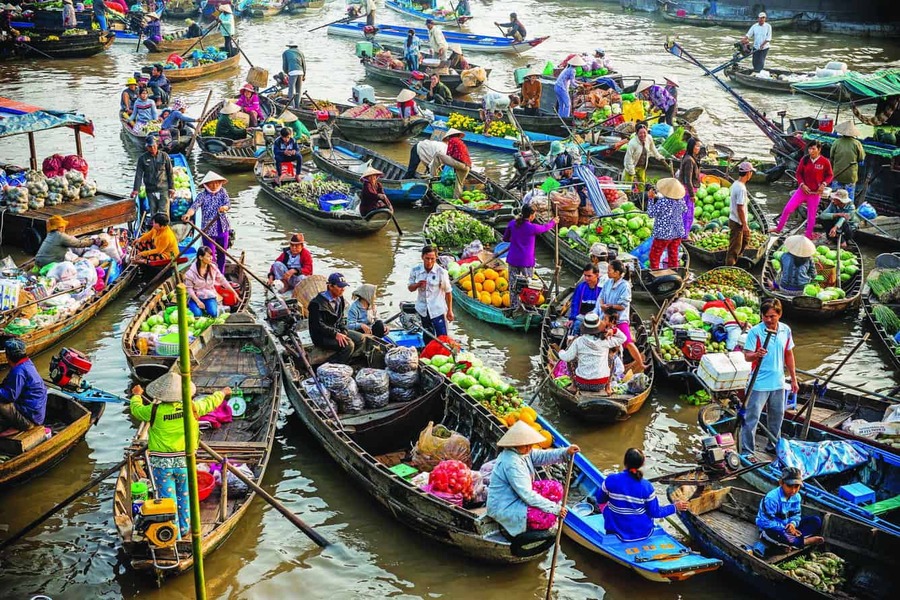
The Mekong isn’t just a river here — it’s the lifeline, marketplace, and storyteller for millions. The famous Cai Rang Floating Market is best experienced at sunrise, when traders in colorful boats sell everything from pineapples to pho, calling out to each other across the water. You’ll float alongside vendors peeling dragon fruit and slicing mangoes, tasting samples handed over with warm smiles. It’s bustling yet harmonious, a daily ritual that has continued for generations.

Beyond the market, the smaller, more intimate markets along narrower canals give you that deeper sense of discovery — places where fewer visitors venture and where you can watch families going about their morning routines with unhurried grace.

Warmth Rooted in the Delta

The people of Can Tho are known for their open-hearted hospitality and resilient spirit. Life here revolves around the river’s cycles — floods, harvests, and festivals — and this creates a community that values connection. A boat captain might share stories of how his family has navigated these waters for decades, or a fruit farmer will proudly show you their orchard, pressing ripe pomelos or durian into your hands.

Local customs emphasize family, respect for the land, and simple joys. You might be invited to join a cooking session in a stilt house, learning to make fresh spring rolls while children play nearby and grandparents offer gentle advice. There’s a quiet pride here, mixed with genuine curiosity about visitors who take the time to listen.

Flavors Straight from the River and Orchard

Mekong Delta cuisine is fresh, abundant, and bursting with flavor. Everything tastes more vibrant because it travels such a short distance from farm or river to table.

Settle into a riverside spot or a family home and indulge in:

  • Banh xeo — golden crispy pancakes filled with shrimp, pork, and bean sprouts, wrapped in herbs
  • Fresh elephant ear fish grilled at your table, wrapped in rice paper with pineapple and mint
  • Coconut-based curries rich with lemongrass and local spices
  • Sweet mango sticky rice or refreshing coconut water sipped straight from the fruit

The meals here feel generous and personal, often accompanied by laughter and stories that turn dinner into an unforgettable evening.

Hidden Sides of the Delta

While the main floating markets draw attention, Can Tho rewards those who explore further:

  • Tranquil canals around Bang Lang stork sanctuary, where thousands of birds nest and the waterways feel almost magical at dusk.
  • Quiet villages where you can cycle through fruit orchards and sample seasonal treats directly from the trees.
  • Lesser-known pagodas and family temples tucked along the riverbanks, offering peaceful moments and glimpses into daily spiritual life.

These spots deliver that special feeling of having found your own private corner of the Delta.

When to Visit and How to Make It Effortless

The best time is from December to April, during the dry season, when waters are calmer and skies clearer for boat trips. The green season (May to November) brings lush landscapes and fewer crowds, with its own dramatic beauty during the rains.

Can Tho is easily reached by a short flight or comfortable bus from Ho Chi Minh City (about 3 hours). Once there, private boat tours are the most rewarding way to experience the rivers, while bicycles or scooters let you explore the countryside at your own pace. Stay in charming riverside homestays, boutique hotels with views over the water, or eco-lodges nestled among the orchards.

Costs remain very accessible — a full day of boating and meals can be surprisingly affordable, allowing you to immerse yourself without worry.

A few thoughtful notes: Respect the local rhythm by rising early for markets, be mindful when visiting homes, and support small family operations to help sustain this traditional way of life. A friendly smile and basic Vietnamese phrases will open many doors.

The River That Stays With You

Can Tho doesn’t overwhelm with dramatic monuments or perfect beaches. Instead, it wins you over through the gentle lap of water against boats, the sweetness of fruit picked that morning, the easy conversation with a local farmer, and the profound sense of harmony between people and their environment.

In a fast-moving world, the Mekong Delta reminds you of the beauty in flowing with life rather than against it. You’ll leave with the river’s rhythm still in your blood, pockets full of new friendships, and a deeper appreciation for simple, meaningful experiences.

This isn’t just another stop in Vietnam — it’s where you reconnect with what truly matters. The boats are waiting at dawn, the orchards are heavy with fruit, and the Delta is ready to welcome you into its timeless flow.

If your soul is craving authenticity, warmth, and a touch of magic on the water, Can Tho might just become the highlight of your entire journey. The question isn’t whether to go. It’s how soon you can get on that boat.

Wednesday, March 23, 2011

The Vietnamese Wilderness Few Foreign Travelers Know About: Why Ba Be Lake Might Be the Most Underrated Destination in Southeast Asia

There are places that impress you immediately.

And then there are places that slowly work their way into your heart.

Ba Be Lake belongs to the second category.

When most international travelers imagine Vietnam, they picture limestone islands rising from emerald seas, lantern-lit ancient towns, bustling cities, or terraced rice fields climbing mountain slopes.

Very few imagine a vast freshwater lake hidden deep within ancient forests, surrounded by towering limestone mountains and tiny villages where life still moves at the rhythm of nature.

And that is precisely why Ba Be feels so extraordinary.

Located in northern Vietnam, several hours from the well-trodden tourist routes, Ba Be Lake remains one of the country's greatest hidden treasures—a destination that rewards curiosity rather than convenience.

For travelers seeking authenticity, tranquility, and genuine connection, it may be one of the most remarkable places in Asia.

The Morning When the Lake Belongs Only to You

The most magical time at Ba Be arrives before breakfast.

Long before tour groups wake up.

Long before engines disturb the water.

As dawn begins to illuminate the mountains, a thin layer of mist drifts silently across the lake's surface.

The water becomes glass.

Perfectly still.

Reflections of forests and cliffs appear so sharp they seem almost unreal.

Birdsong echoes through the valley.

A fisherman glides across the water in a narrow wooden boat.

The paddle barely creates a ripple.

For a few moments, the entire landscape feels suspended between dream and reality.

Visitors often describe these early mornings as the highlight of their entire trip.

Not because anything dramatic happens.

But because absolutely nothing does.

And in today's world, that kind of peace has become incredibly rare.

A National Park That Feels Untouched

Ba Be sits within one of Vietnam's most important national parks.

Dense tropical forests cover the surrounding mountains.

Waterfalls cascade through hidden valleys.

Caves disappear beneath limestone cliffs.

Wildlife still thrives throughout the region.

Unlike many famous natural destinations, Ba Be has largely escaped mass tourism.

The result is an environment that feels genuinely wild.

Trails lead through forests where the only sounds are insects, birds, and rustling leaves.

Remote roads wind through landscapes untouched by large-scale development.

Nature remains the main attraction.

And nature still feels wonderfully dominant.

The Boat Ride You Will Never Forget

The best way to experience Ba Be is from the water itself.

Small boats glide across the interconnected lakes, revealing scenes that seem to belong in a nature documentary.

Towering limestone cliffs rise directly from the shoreline.

Dense jungle spills down mountain slopes.

Tiny villages appear between forests.

Children wave from riverbanks.

Farmers work fields beside the water.

Unlike many scenic boat trips around the world, Ba Be doesn't feel designed for tourism.

It feels like you're entering a living landscape where people and nature have coexisted for generations.

Every bend in the lake reveals something unexpected.

A hidden cove.

A quiet fishing boat.

A soaring cliff face.

A waterfall hidden among trees.

The journey feels less like sightseeing and more like exploration.

The People Who Define the Region

One of Ba Be's greatest strengths is not the scenery.

It's the people.

The region is home to several ethnic communities, including the Tay people, whose traditions remain deeply woven into daily life.

Many visitors stay in family-run homestays built on traditional wooden stilts.

These experiences offer something hotels rarely can.

Shared meals.

Stories exchanged across cultures.

Insights into local customs.

Simple moments of human connection.

Guests often arrive expecting beautiful landscapes.

They leave remembering conversations around dinner tables.

Because genuine hospitality leaves a deeper impression than any viewpoint ever could.

Hidden Caves, Waterfalls, and Forgotten Legends

Ba Be is filled with stories.

Some are historical.

Others are mythical.

Local legends tell of ancient floods, mysterious spirits, and the creation of the lake itself.

Whether you believe the stories or not almost doesn't matter.

They add another layer of intrigue to an already fascinating destination.

The area also contains remarkable natural attractions.

Puong Cave stretches beneath a mountain, carved over centuries by flowing water.

Dau Dang Waterfall crashes dramatically through a rocky gorge.

Remote forest trails lead to viewpoints few outsiders ever see.

Every day brings opportunities for discovery.

A Different Kind of Luxury

Luxury means different things to different people.

For some, it means private villas and five-star service.

At Ba Be, luxury takes another form entirely.

Luxury is drinking coffee while watching mist rise from a silent lake.

Luxury is hearing frogs and birds instead of traffic.

Luxury is spending an evening beneath a sky filled with stars.

Luxury is realizing you haven't looked at your phone for hours because reality has become more interesting than the screen.

These experiences cost very little.

Yet they often become the most valuable memories travelers bring home.

The Flavors of Northern Vietnam

The cuisine surrounding Ba Be reflects the landscape itself.

Fresh ingredients dominate every meal.

River fish, mountain vegetables, forest herbs, sticky rice, and traditional recipes passed through generations form the foundation of local cooking.

Meals tend to be communal.

Generous.

Comforting.

Visitors frequently discover dishes unavailable elsewhere in Vietnam.

The flavors feel deeply connected to place.

Authentic rather than adapted.

Simple rather than complicated.

And that simplicity often proves unforgettable.

Why Travelers Are Beginning to Notice Ba Be

The global travel industry is changing.

More travelers are moving beyond famous landmarks.

They are searching for destinations that still feel genuine.

Places where local culture remains alive.

Places where nature remains dominant.

Places that provide stories rather than selfies.

Ba Be fits perfectly into this shift.

It offers exactly what many modern travelers crave but increasingly struggle to find.

Authenticity.

When Should You Visit?

The lake can be visited throughout the year, but many travelers favor spring and autumn.

Spring brings fresh greenery and comfortable temperatures.

Autumn often offers clear skies and spectacular scenery.

Summer creates lush landscapes and dramatic cloud formations.

Each season reveals a different personality.

Yet the lake's peaceful character remains constant.

Is Ba Be Expensive?

One of the destination's greatest advantages is affordability.

Accommodation, transportation, meals, and activities generally cost far less than comparable nature destinations elsewhere in Asia.

Travelers can enjoy meaningful experiences without spending heavily.

For many visitors, the value is extraordinary.

The Place You'll Brag About Before Everyone Else Discovers It

Most travelers collect destinations.

Ba Be creates stories.

Stories about mist-covered mornings.

About conversations with strangers who became friends.

About boat rides through landscapes that felt untouched by time.

About discovering a side of Vietnam that many visitors never see.

Years from now, when Ba Be inevitably becomes more famous, today's travelers will remember experiencing it before the crowds arrived.

Before the guidebooks caught up.

Before everyone knew its name.

And perhaps that's the greatest reason to visit now.

Because places like Ba Be are becoming increasingly rare.

Not because they are disappearing.

But because genuine discovery is.

And standing beside the still waters of Ba Be Lake, surrounded by mountains, forests, and silence, you'll quickly understand why those who find it rarely forget it.

Some destinations entertain you.

Ba Be stays with you.

Monday, March 21, 2011

The Whispering Steppes of the South: Unlocking the Untamed Coastline of Côn Đảo

There is a point during the propeller flight from the mainland when the South China Sea ceases to look like a body of water and transforms into a massive sapphire sheet. Then, out of the deep blue, a jagged formation of forested granite peaks breaks the surface, shrouded in an eerie, low-hanging maritime fog. When you step off the small aircraft onto the tarmac at Côn Đảo, your senses are instantly recalibrated. The air does not carry the hot, heavy exhaust of Vietnam’s metropolitan centers; it is wonderfully cool, smelling of crushed wild almonds, raw sea salt, and the damp, earth-bound perfume of an undisturbed tropical canopy.

While crowded beach strips and commercial mega-resorts dominate the mainland’s tourist itineraries, sophisticated travelers from Europe and North America are turning their attention to islands with a raw, slow-motion pulse. Recent international travel data shows a significant increase in high-intent searches from the West looking for remote, deeply historic island sanctuaries. This movement has placed Côn Đảo—an archipelago of 16 mountainous islands floating 110 miles off Vietnam's southeastern coast—at the very top of the luxury eco-travel wish list.

Côn Đảo is a dramatic psychological paradox. Known for over a century to locals as "The Devil’s Island of Indochina," it has evolved from a notorious colonial penal colony into a pristine national park and sanctuary of unparalleled ecological isolation. It is a destination that doesn't just offer an escape; it demands a deep emotional journey.

The Island Custodians: Ghostly Filaments and Fierce Serenity

To explore the quiet coastal ring road of Côn Sơn, the main island, is to experience a landscape defined by an almost sacred tranquility. Massive century-old tropical almond trees (Cây Bàng) line the empty French colonial seafront promenade, their gnarly roots breaking through the brick paths like ancient, weathered hands.

The human presence on the island is inextricably tied to this heavy historical silence. The permanent residents are a quiet, fiercely proud, and incredibly gentle people. They possess a stoic calm that reflects the island's isolation; their hospitality is understated, deeply personal, and completely free of the aggressive transactions of typical tourist hubs.

This character is beautifully illustrated in the island's unique evening ritual at Hàng Dương Cemetery. Unlike any other destination in Southeast Asia, the emotional heart of Côn Đảo awakens after midnight. Under the canopy of stars, thousands of locals and mindful travelers silently converge on the graves of those who perished during the island's dark history, lighting sticks of sandalwood incense and placing fresh white chrysanthemums. The air turns thick with fragrant smoke and the soft hum of prayers blending with the distant crash of ocean waves. It is a profound, communal experience of remembrance that turns the entire island into a sanctuary of human dignity.

The Altar of Fire and the Wild Treasures of the Shallows

The gastronomy of Côn Đảo is deeply connected to the cold, nutrient-rich marine currents that encircle the archipelago. It is a cuisine that relies on absolute freshness, sharp aromatics, and unique forest forage.

The Sweet Crunch of Roasted Almond Seeds

The absolute signature flavor of the island is Mứt Hạt Bàng (Sugared or Salted Almond Seeds). Every summer, locals harvest the fallen fruits of the massive colonial almond trees, cracking open the tough husks by hand to extract the tiny, rich kernels inside. These seeds are slow-roasted over charcoal with either a delicate coat of sea salt or a thin glaze of sugar and ginger. The flavor is a beautiful revelation—deeply buttery, woody, and intensely nutty, offering a tangible bite of the island’s botanical history.

The Briny Heat of Sautéed Moon Crabs

For a true coastal luxury dish, travelers seek out Cua Mặt Trăng (Moon Crab), a deep-water crustacean prized for the distinctive, glowing red spots on its shell. Prepared simply by steaming over wild lemongrass and flash-searing with black Phu Quoc pepper, lime juice, and sea salt, the meat is exceptionally dense, sweet, and redolent of the clean offshore currents.

The Secret Grid: Unlocking Hidden Bays and Unbroken Canopies

While the historic French prison complexes offer a chilling glimpse into the past, the true raw energy of Côn Đảo belongs to the pristine natural corridors that frame the island's boundaries.

The Primeval Sanctuary of Đầm Tre Lagoon

For an experience of absolute geological isolation, embark on a challenging three-mile trek through the primary rainforest toward Đầm Tre Lagoon (Bamboo Lagoon). This deep, circular bay is hidden behind sheer vertical cliffs at the northern tip of Côn Sơn. As you descend through the thick canopy of ancient hardwoods and wild lianas, the forest suddenly opens to reveal a completely enclosed mangrove lagoon. The water here is a stunning, crystal-clear turquoise, protected from the open ocean winds. It is a vital nesting ground for rare hawksbill sea turtles and giant clams. Snorkeling into the calm center completely alone, surrounded by towering walls of green jungle, feels like slipping into the earth’s original, unmapped blueprint.

The Sunken Solitude of Bãi Nhát

Located at the base of the majestic Love Peak (Đỉnh Tình Yêu), Bãi Nhát is a stretch of coast that plays a beautiful game of hide-and-seek with the tides. For most of the day, the beach doesn't exist; it is completely submerged beneath the crashing waves of the sea. But for a few hours in the late afternoon, as the tide recedes, a vast plain of smooth, snow-white sand and rounded black boulders emerges from the surf. Standing on this temporary beach as the setting sun paints the granite cliffs in shades of crimson and violet is an unforgettable experience of wild, fleeting beauty.

The Archipelago Manual: Operational Intelligence for the Discriminating Mind

The Marine Windows

Côn Đảo behaves strictly according to the whims of the seasonal monsoons. The premier window for Western travelers seeking calm, mirror-like seas, maximum underwater visibility, and low humidity is from March to September. This golden period is perfect for scuba diving and witnessing the legendary sea turtle nesting season on neighboring Bay Canh island. From October to February, the northeast winds arrive, creating spectacular, dramatic waves along the eastern coast that appeal to windsurfers and hikers who enjoy cooler, windy mountain temperatures.

The Air Bridge

Bypass the long, grueling ferry options completely. The most elegant and seamless connection for international travelers is to book a premium domestic flight from Ho Chi Minh City or Hanoi directly into Co Ong Airport (VCS). Operated by modern turboprop aircraft, the brief 45-minute flight from Saigon traces the path of the Mekong Delta before dropping smoothly over the dramatic mountain ridges of the island, turning your arrival into a spectacular aerial introduction to the frontier.

The Economics of Isolation

Because over 80% of the archipelago is strictly protected within a pristine National Park boundary, mass tourism infrastructure is forbidden, maintaining a premium baseline of privacy and exclusivity:

  • A bag of hand-roasted salted almond seeds bought from a local family: $4.00 to $6.00.

  • A fresh, multi-course moon crab dinner for two at a seaside eatery: $35.00 to $50.00.

  • A private, full-day guided boat charter and snorkeling excursion to remote islets: $120 to $180.

  • An ultra-luxury, eco-conscious beachfront villa with a private pool: $450 to $900 per night.

Environmental Stewardship and Island Customs

Côn Đảo is an exceptionally eco-conscious territory. Plastic bags and single-use water containers are actively discouraged at the airport and ports—bring high-quality reusable flasks. When exploring the historic prison monuments or Hàng Dương Cemetery, conservative attire covering shoulders and knees is strictly mandatory out of deep respect for the lives lost there. Speak softly when walking through the towns and sites; the island's unique stillness is its greatest treasure, and matching your energy to this calm rhythm will transform you from a standard tourist into a welcome guest.

The Ultimate Insider Secret: If you explore the southern tip of the island, ride your scooter down to the edge of the Cá Mập Cape (Shark Cape) at precisely 5:15 AM. Stand on the edge of the sheer granite cliff as the dawn light begins to break. Below you, the vast ocean stretches infinitely toward the horizon, completely untouched by human shipping lanes. As the sun clears the water, it illuminates the jagged silhouettes of the surrounding seven uninhabited islands, casting long, dramatic gold shadows across the sapphire water. In that immense, quiet morning air, with the wild wind whipping off the sea, you will realize you have reached the absolute edge of the modern calendar. You aren't just looking at an island; you are witnessing the world exactly as it was on the very first day.