Pages

Tuesday, June 2, 2026

The Kingdom in the Clouds: Why Bhutan Has Become the Journey Travelers Talk About for the Rest of Their Lives

Most people don't arrive in Bhutan by accident.

It isn't the cheapest destination.

It isn't the easiest destination.

And it certainly isn't the kind of place you simply add to an itinerary because it's nearby.

People come to Bhutan because they are searching for something.

Sometimes they know what it is.

Often they don't.

Perhaps that's why so many travelers leave believing they discovered far more than a destination.

They discovered a different way of living.

The airplane descended between some of the tallest mountains on Earth.

Snow-capped Himalayan peaks pierced the clouds.

Deep valleys emerged beneath them.

Ancient forests covered entire mountainsides.

Small villages appeared like tiny brushstrokes against an endless canvas of green.

Even before landing, Bhutan felt different.

Not better.

Not worse.

Simply different.

And in today's increasingly connected world, different has become one of the rarest travel experiences of all.

A Country That Measures Happiness Differently

Most nations measure success through economic growth.

Bhutan became famous for measuring something else.

Happiness.

While the concept of Gross National Happiness has attracted global attention for years, the philosophy extends beyond politics.

Visitors quickly notice it in daily life.

The pace feels slower.

Conversations last longer.

People seem less rushed.

Families gather together.

Monasteries remain active parts of communities.

Nature is respected rather than conquered.

For travelers arriving from busy cities, the contrast can feel startling.

Then refreshing.

Then strangely addictive.

The Hike That Changes Everything

Ask ten people about Bhutan and many will eventually mention the same place.

Tiger's Nest Monastery.

Perched dramatically on a cliff nearly 3,000 feet above the valley floor, the monastery appears almost impossible.

As though someone imagined it first and built it second.

The journey begins before sunrise.

The trail climbs steadily through pine forests scented with mountain air.

Prayer flags flutter between trees.

The higher you ascend, the quieter the world becomes.

Then suddenly, through a break in the forest, you see it.

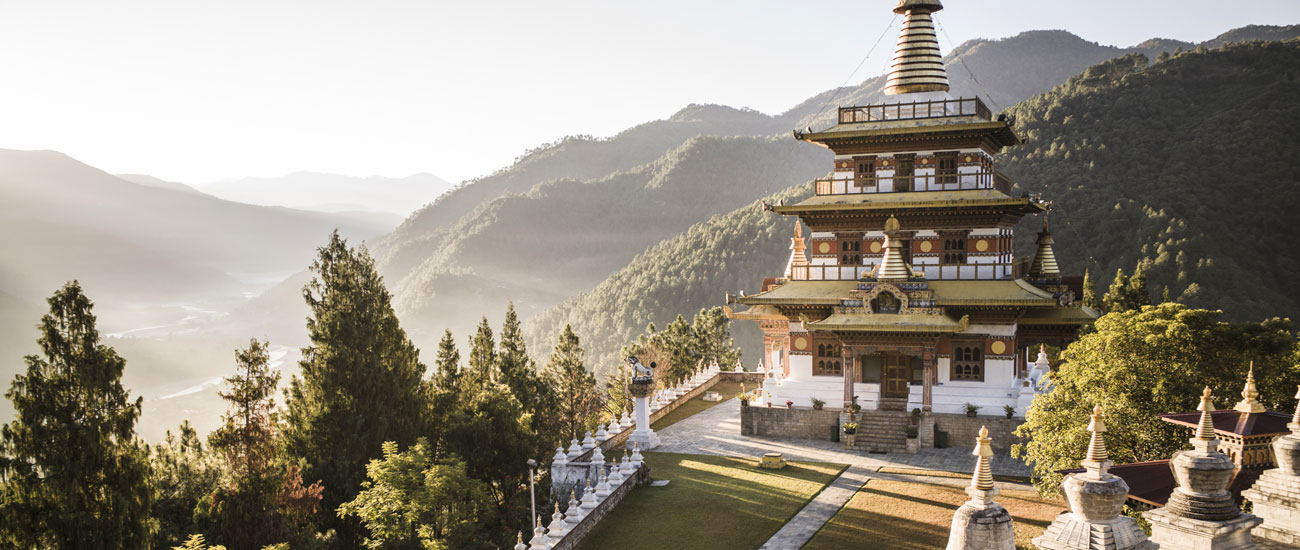
White walls.

Golden roofs.

Ancient structures clinging impossibly to vertical cliffs.

For a moment, everyone stops walking.

Not because they are tired.

Because the view steals the words from their mouths.

Few travel experiences create such a powerful emotional response.

And photographs never come close to explaining why.

The Sound of Prayer Flags in the Wind

In many destinations, landmarks define the experience.

In Bhutan, atmosphere does.

Prayer flags stretch across mountain ridges.

Rivers rush through remote valleys.

Monks chant inside centuries-old monasteries.

Bells echo softly through mountain air.

The scent of burning incense drifts from temples.

Every sense becomes engaged.

Travelers often describe Bhutan as one of the few places where they genuinely felt present.

Not distracted.

Not multitasking.

Not rushing toward the next attraction.

Simply present.

Hidden Valleys Where Time Moves Differently

While most visitors explore Paro and Thimphu, Bhutan's greatest treasures often lie deeper within its mountains.

The Phobjikha Valley feels almost untouched by modernity.

Traditional farmhouses sit among vast landscapes.

Black-necked cranes migrate here each winter, creating one of Asia's most extraordinary wildlife spectacles.

In Bumthang, ancient monasteries, forested hills, and quiet villages create an atmosphere many travelers compare to stepping back centuries.

The roads may be longer.

The journey slower.

But the reward is profound.

These places don't feel designed for tourists.

They feel real.

And authenticity leaves a deeper impression than perfection ever could.

The People You Remember Long After You Return Home

Beautiful scenery attracts visitors.

People create memories.

Bhutanese hospitality is often understated but deeply genuine.

A shopkeeper who spends twenty minutes explaining local traditions.

A monk who shares a smile without speaking a word.

A family inviting visitors to join a meal.

A guide who proudly explains the history of a sacred site.

These interactions feel natural rather than transactional.

And that authenticity becomes one of Bhutan's greatest strengths.

Many travelers arrive expecting mountains.

They leave remembering people.

Food That Reflects the Landscape

Bhutan's cuisine surprises many first-time visitors.

The country's most famous dish, ema datshi, combines chili peppers and cheese in a way that reflects Bhutan's bold culinary identity.

Meals often feature locally grown vegetables, red rice, mountain herbs, and traditional recipes passed through generations.

The flavors are distinctive.

Comforting.

Deeply connected to place.

Sharing food in Bhutan often feels less like dining and more like participating in local culture.

And that makes every meal more memorable.

Why Travelers Are Suddenly Paying Attention

For years, Bhutan remained relatively unknown outside serious travel circles.

Today, that is changing.

Modern travelers increasingly seek destinations offering more than entertainment.

They want meaning.

Connection.

Perspective.

Bhutan delivers all three.

Rather than overwhelming visitors with attractions, it invites them into experiences.

Rather than encouraging consumption, it encourages reflection.

In a world dominated by speed, Bhutan offers something radical.

Stillness.

When Is the Best Time to Visit?

Spring transforms valleys into landscapes filled with wildflowers and clear mountain views.

Autumn offers crisp air, vibrant festivals, and spectacular Himalayan panoramas.

Winter brings tranquility, fewer visitors, and magical mountain scenery.

Each season reveals a different side of the kingdom.

There is no wrong time.

Only different stories waiting to unfold.

Is Bhutan Expensive?

Compared with many destinations in Asia, Bhutan can require a larger travel budget.

However, many travelers describe the experience not as expensive, but valuable.

The quality of experiences, preservation of culture, environmental protection, and limited tourism model create a destination unlike almost anywhere else on Earth.

Visitors often leave feeling they received something far more meaningful than a traditional vacation.

The Question Travelers Keep Asking Themselves

What exactly makes Bhutan so special?

The mountains are beautiful.

But there are beautiful mountains elsewhere.

The monasteries are extraordinary.

But many countries have remarkable historical sites.

The answer is harder to define.

Bhutan changes how people feel.

Some destinations entertain you.

Some educate you.

A few transform your perspective.

Standing on a mountain trail as clouds drift through Himalayan valleys, listening to prayer flags flutter in the wind while ancient monasteries overlook forests that seem untouched by time, you begin to understand why travelers become emotional when talking about Bhutan.

Because the journey is not simply about seeing a place.

It's about experiencing a different relationship with life itself.

And long after the photographs are stored away and the souvenirs gather dust, one thought continues to return.

Not "I'm glad I visited."

But something much stronger.

"I needed that experience more than I realized."

And perhaps that is the rarest kind of destination in the world.

The Amber Light of the Cyclades: Chasing Wind and Stone in the High Citadel of Milos

If you pull up a weathered wooden chair at a cliffside taverna in Pláka just as the Aegean wind shifts from a hot afternoon draft to a cool evening gale, the island stops acting like land. It begins to feel like a great canvas of white volcanic stone floating on liquid sapphire. The air doesn't merely circulate; it carries a distinct, intense fragrance—a cocktail of wild, sun-dried oregano, bitter sea fennel, and the clean, sharp scent of limestone baking under a Mediterranean sun.

For the contemporary global traveler, the heavily commercialized, postcard-perfect alleys of Mykonos and Santorini are beginning to lose their magic to overcrowding. The collective desire for a raw, visually jaw-dropping island experience has triggered a massive global search trend. Discriminating wanderers from London, New York, and Paris are deliberately turning their gaze toward Milos—the southwestern anchor of Greece's Cyclades archipelago.

Milos is an explosive geological masterpiece. Born from ancient volcanic eruptions, its coastline is a surreal exhibition of blindingly white pumice formations, blood-red sea caves, and hidden emerald swimming holes. It is a destination currently capturing the imagination of those who want to see the Greek islands exactly as they were before the modern resort blueprints rewrote the horizon.

The Guardians of the Sýrmata: Life on the Water's Edge

To understand the rhythm of Milos, you must abandon the central spine of the island and descend the steep, stone-strewn dirt tracks to the tiny fishing hamlet of Klíma. Here, the island's relationship with the sea is beautifully immediate. Houses don't just face the water; they are carved straight into the volcanic rock at the high-tide line.

These structures are called sýrmata—ancient, two-story fishermen's dwellings with living quarters upstairs and a ground-floor garage used to drag wooden boats out of the fierce winter waves. Each sýrma features a door and balcony painted in an unapologetically vibrant color—neon red, deep cobalt, canary yellow—traditionally chosen so fishermen could identify their homes through the thick sea mist.

The residents of Milos possess a warm, rugged, and fiercely independent character. Their hospitality is completely unscripted. You might encounter an elderly fisherman patching a coarse hemp net on his concrete porch. His skin is cured to a rich bronze by decades of salt glare, his eyes holding the quiet calm of the open sea. He won't greet you with a standard corporate smile; instead, he might offer you a glass of cold, home-brewed assyrtiko wine and tell you the legend of how the Venus de Milo was unearthed by a local farmer in a nearby field in 1820, reminding you that you are walking on land that has nourished art for millennia.

Gastronomy of the Volcanic Hearth

The culinary language of Milos is shaped entirely by its volcanic soil and the intense sun, yielding ingredients with deeply concentrated, sun-sweetened flavors.

The Concentrated Fire of Pitarakia

The definitive flavor of a Milian morning is Pitarakia (traditional cheese pies). Hand-rolled, thin pastry dough is stuffed with a sharp, dry local goat cheese called manoura, finely minced wild onions, and fresh mint leaves. Flash-fried in local olive oil, the pastry bubbles into a shatteringly crisp, golden pocket. The first bite releases a hot, savory steam that perfectly contrasts the creamy sharpness of the cheese and the refreshing hit of mountain herbs.

The Sun-Baked Alchemy of Páprika

Equally unforgettable is Peltes, a rich, thick tomato paste unique to the island. Local tomatoes are crushed and left to dry on flat wooden boards directly under the summer sun for days until the water completely evaporates, leaving behind a deep crimson paste. Spread thick on a crusty slice of barley rusks (paximadia) and drizzled with pungent olive oil and sea salt, it tastes exactly like the island looks—intense, warm, and rich with the essence of the earth.

The Secret Grid: Unlocking the Volcanic Mysteries

While the blindingly white, moon-like rock shelves of Sarakíniko beach capture the social media feeds, the true soul of Milos is unlocked by those who rent a boat and seek out the places where the roads cannot go.

The Sunken Pirate Lair of Kleftiko

At the isolated southwestern corner of the island lies Kleftiko, a monumental labyrinth of towering white limestone pillars and dramatic natural stone arches rising directly out of the transparent turquoise water. For centuries, this was a legendary hideout for Aegean pirates, who hid their vessels behind the massive rock formations to ambush passing merchant ships. Swimming through the narrow, dark sea tunnels with a snorkel, watching the sunlight play across the sandy sea floor sixty feet below, provides a profound sense of exploration.

The Iron Ghost town of Thiorýchia

For a surreal transition from marine luxury to industrial ghost story, navigate the dirt tracks toward Thiorýchia on the eastern coast. Here lie the ruins of an abandoned 19th-century sulfur mine. The entire valley is a striking palette of ochre, sulfur yellow, and rust red. The stone processing plants, complete with rusty iron rail tracks, old machinery, and workers' stone cottages, sit completely frozen in time against a pristine, yellow-pebble beach. It is a haunting, beautiful monument to the human histories that have shaped this volcanic rock.

The Island Manifesto: Operational Intelligence for the Global Voyager

The Cycladic Winds

Milos dictates its travel calendar based on the behavior of the Meltemi—the strong, dry north winds that sweep through the Cyclades every summer. The premier window for international travelers seeking warm water, brilliant blue skies, and manageable winds is from May to June or September to October. During these shoulder months, the island is remarkably tranquil, the sea is calm enough for small boat charters, and the temperatures hover beautifully around 75°F to 82°F (24°C to 28°C). July and August bring the highest visitor volumes and the strongest winds, which can alter boat itineraries.

The Aegean Approach

Bypass the long, exhausting ferry lines from Athens completely. The most seamless and exclusive route for discerning international travelers is to book a quick, 30-minute domestic flight from Athens International Airport (ATH) directly to Milos Island National Airport (MLO) on a regional turboprop aircraft. The low-altitude flight offers breathtaking aerial views of the entire Cycladic constellation before dropping smoothly onto the island’s interior plain.

The Economics of Volcanic Travel

Because Milos has resisted the uncontrolled hyper-commercialization of its neighboring islands, it preserves a wide spectrum of value alongside a growing selection of high-end boutique design hotels:

  • A plate of fresh pitarakia and chilled estate wine for two: $15.00 to $22.00.

  • A full-day private catamaran sailing charter around the entire coastline (all-inclusive): $140 to $220 per person.

  • A hand-carved volcanic stone artifact from a local Pláka artisan: $25.00 to $60.00.

  • A beautifully restored, cliff-side sýrma house directly over the water: $180 to $350 per night.

Environmental Stewardship & Island Custom

Milos is a fragile volcanic ecosystem with limited freshwater resources; practice mindful conservation during your stay. When exploring the ancient catacombs near Trypití or the Roman amphitheater, wear sturdy, closed-toe footwear to safely navigate the loose volcanic gravel. Always remove trash from the isolated beaches, as many hidden bays lack public municipal services. When entering local villages, match the slow, respectful pace of the resident elders—a polite "Kalimera" (Good morning) accompanied by a nod will instantly unlock the genuine, warm hospitality that defines this timeless island.

The Ultimate Insider Secret: If you explore the northern coast, make your way to Sarakíniko at precisely 3:00 AM during a full moon. Leave your rental car at the gate and walk out onto the massive, wave-sculpted white pumice shelves alone. Without the daytime crowds, the blinding white stone completely absorbs the moonlight, glowing like a lunar desert in the dark. Sit on the smooth edge of the volcanic cliff and listen to the deep, heavy rumble of the Aegean Sea echoing inside the underwater caves below. In that magnificent, bone-white silence, with the stars reflecting off the dark water, you will realize you have stepped entirely off the modern map. You aren't just visiting a beach; you are standing on a silent planet of wind and stone.

Monday, June 1, 2026

Colors, Volcanoes, and Cobblestones: The Ultimate Guide to Antigua, Guatemala

For years, American travelers looking for a quick getaway headed straight to the standard Mexican resorts. But right now, there is a massive cultural shift toward destinations that feel raw, historic, and deeply authentic. Antigua—a stunning valley town surrounded by three towering volcanoes—is exactly where that wanderlust is leading.

Once the colonial capital of Central America, Antigua is a living museum where pastel-shattered ruins stand proudly against a backdrop of smoking peaks. Here is my personal, insider take on how to navigate this magical city, packed with answers to every question you are probably asking.

The "Only in Antigua" Factor: The Soul, the Scent, and the Warmth

I’ve explored colonial towns across the Americas, but Antigua has a magnetic energy that cannot be replicated. Its true uniqueness lies in the intersection of its geography, its flavors, and its people:

  • The Volcanic Skyline & Cosmic Energy: Where else can you sit on a rooftop cafe, sipping local jade-hued tea, while watching an active volcano (Volcán de Fuego) puff perfect rings of smoke into the sky every 20 minutes? The contrast between the fragile, historic Spanish architecture and the untamed power of nature creates an energy that is completely addictive.

  • The Gentle, Resilient Guatemalan Soul: The locals (Antigüeños) are famously polite, soft-spoken, and deeply proud of their heritage. Unlike the aggressive sales pitches you might encounter in other global tourist hubs, the hospitality here is gentle and sincere. If you get lost on a cobblestone alley, an elder weaving traditional textiles will gladly stop their work just to point you in the right direction with a genuine smile.

  • The Birthplace of Chocolate & Pepián: Antigua is a culinary holy grail. It is globally recognized as one of the genetic birthplaces of cacao, meaning the hot chocolate here is a rich, ceremonial art form. Even more exclusive is Pepián—Guatemala’s national dish. It’s a complex, slow-simmered spicy stew made from roasted pumpkin seeds, chili peppers, and meat, boasting a smoky depth that you won't find anywhere else in the world.

My Top Must-See Experiences in Antigua

1. Frame Your Memories at the Santa Catalina Arch

You’ve definitely seen this iconic yellow arch on your social media feeds, but walking under it at dawn is a different story. Built in the 17th century, it allowed cloistered nuns to cross the street without being seen by the public. On a clear morning, Volcán de Agua frames perfectly right through the center of the archway, making it a photographer’s dream.

2. Hunt for Treasures at the Mercado Central & Nim Po'pot

To experience the vibrant heartbeat of the city, dive into the local markets. Nim Po'pot is a massive cooperative hall dedicated entirely to preserving indigenous Mayan textiles. Here, you can learn how the intricate, colorful patterns on huipiles (traditional blouses) tell the specific story of the weaver's home village.

3. Roam the Ruins of Convento de las Capuchinas

Antigua was rocked by massive earthquakes in the 1700s, leaving behind incredibly beautiful, ruined cathedrals. Capuchinas is my absolute favorite. Walking through the abandoned, sun-drenched courtyards and circular subterranean chambers feels like discovering a forgotten, romantic world.

Essential Travel Intel: Your Questions Answered

When is the absolute best time to go?

The dry season runs from November to April, offering flawless blue skies and crisp, cool mountain air in the evenings (temperatures average a perfect 65°F to 75°F or 18°C to 24°C). If you want a truly bucket-list cultural experience, plan your trip during Semana Santa (Holy Week) in March or April. The entire town covers its cobblestones in massive, intricate carpets made of colored sawdust and flower petals.

How do I get to Antigua from the US?

Antigua is incredibly accessible for Americans, especially from southern hubs like Houston, Miami, or Los Angeles, which offer direct flights under 3 to 4 hours. You will fly into La Aurora International Airport (GUA) in Guatemala City. From there, Antigua is just a 45-to-60-minute drive. My Blogger Tip: Do not take a public bus from the airport with heavy luggage. Arrange an official airport shuttle or an Uber directly from the terminal for a safe, stress-free arrival.

Is Antigua expensive for American tourists?

Not at all. Antigua offers incredible value for your money, allowing you to experience affordable luxury easily:

  • A traditional meal (Pepián with handmade tortillas): $6 to $9 at a local eatery (comedor).

  • A specialty, world-class volcanic coffee: $3 to $4.

  • A historical boutique hotel stay: $90 to $160 per night.

How many days should I stay?

While the town is compact enough to walk across in 30 minutes, don't rush it! Spend at least 3 to 4 days here to soak in the cafe culture, explore the ruins, and take a day trip to hike Volcán Pacaya, where you can actually roast marshmallows over active, hot volcanic vents.

Is Antigua safe for solo travelers?

Yes, Antigua is widely considered the safest destination in Guatemala and one of the safest colonial towns in Central America. Tourism is the primary lifeblood here, so there is a dedicated, highly visible Tourist Police force (Politur) patrolling the streets. Standard travel common sense applies: don't flash expensive jewelry, keep an eye on your phone in crowded markets, and use registered taxis or Ubers at night.

Quick-Reference Local Tips

  • Language: Spanish is the main language, alongside various Mayan dialects. Because Antigua is a global hotspot for Spanish language schools, English is widely understood in restaurants and hotels, but learning a few basic Spanish phrases goes a long way with the locals.

  • Currency & Cash: The local currency is the Quetzal (GTQ). While major restaurants and hotels accept US credit cards, you will absolutely need physical cash (Quetzales) for buying handicrafts from street weavers, tipping guides, and purchasing street snacks.

  • Footwear Warning: Leave your high heels and thin sandals at home! Antigua’s cobblestones are famously uneven, rugged, and historical. A sturdy pair of sneakers or comfortable walking boots is a non-negotiable requirement.

My Ultimate Insider Secret: For the best view of the entire valley, skip the sunset crowd at the famous Cerro de la Cruz viewpoint. Instead, head over to the ruins of San Francisco Church in the late afternoon. Find a quiet corner in the rear gardens, look up at the towering volcanoes as the sky turns pastel pink, and just listen to the distant church bells echoing off the ancient stone walls. It’s pure magic.

Chasing Fire and Ice: The Ultimate Guide to Reykjavík & The Golden Circle

For years, US travelers have been obsessed with Western Europe, but right now, the compass is shifting drastically north. If you are craving a destination where nature doesn’t just surround you—it completely overpowers you—Iceland is calling your name.

Reykjavík, the world’s northernmost capital, serves as the perfect, vibrant launchpad into the Golden Circle, a 190-mile (300 km) loop of pure, unadulterated geological magic.

Here is my personal take on how to navigate this bucket-list adventure, packed with answers to everything you're probably wondering about.

The "Only in Iceland" Factor: What Makes This Place Untouchable?

I’ve traveled all over the globe, but there are things here that you simply cannot experience anywhere else on Earth:

  • The Continental Divide Walk: In the Golden Circle, you can literally walk through a massive rift valley where the North American and Eurasian tectonic plates are pulling apart from each other. You are standing between two continents.

  • The Midnight Sun vs. Northern Lights: Depending on when you visit, you either get 24 hours of continuous daylight to explore endlessly, or a front-row seat to the neon-green Aurora Borealis dancing across a pitch-black winter sky.

  • A Pure Geothermal Culture: From the moment you wash your hands to the local pools you swim in, everything is powered by the Earth’s natural heat. It’s a sustainable, raw way of living that feels completely futuristic.

My Top Must-See Stops on the Golden Circle & Beyond

1. Þingvellir (Thingvellir) National Park

This is where history meets geology. Not only is it the site of the tectonic rift, but it’s also where Icelanders founded the world’s first parliament back in 930 AD. If you're feeling brave, you can dry-suit dive or snorkel in the Silfra Fissure here—the water is so pure and filtered by lava rock that you can drink it while floating between continents.

2. The Geysir Geothermal Area

You can't skip the place that literally gave the world the word "geyser." While the Great Geysir itself is mostly dormant now, its hyperactive neighbor, Strokkur, is the star of the show. It erupts every 6 to 10 minutes, blasting boiling water up to 100 feet into the air. Trust me, keep your camera ready and stand upwind unless you want a sulfur-scented shower!

3. Gullfoss Waterfall (The Golden Falls)

The sheer roar of Gullfoss will leave you speechless. This massive, double-tiered waterfall plunges fiercely into a deep rugged canyon of the Hvítá River. On sunny days, the mist creates giant, shimmering rainbows that span across the entire gorge.

4. Reykjavík’s Creative Soul

Don't just rush out to nature! Spend a day wandering downtown Reykjavík. Walk up the colorful Rainbow Street, gaze at the majestic Hallgrímskirkja church (which looks like a cascading lava wave), and grab a legendary Icelandic hot dog at Bæjarins Beztu Pylsur.

Essential Travel Intel: Your Questions Answered

When is the absolute best time to go?

It completely depends on what flavor of adventure you want. For road trips, hiking, and 24-hour daylight, go during the summer (June to August). Temperatures hover around a comfortable 50°F to 60°F (10°C to 15°C). If you want to hunt the Northern Lights and explore blue ice caves, book your ticket for the winter (September to March). Just be ready for icy roads and limited daylight!

How do I get there from the US?

It is incredibly easy. Iceland is actually much closer to the US East Coast than you think—only about a 5-to-6-hour flight from New York or Boston. You will land at Keflavík International Airport (KEF), which is about 45 minutes outside of Reykjavík. I highly recommend renting a 4x4 vehicle right at the airport so you have total freedom to drive the Golden Circle at your own pace.

Is Iceland really as expensive as everyone says?

I won't sugarcoat it: yes, Iceland is expensive, but it is worth every single dollar if you plan smart. Because almost everything has to be imported, dining out and alcohol will be your biggest expenses.

  • A standard meal at a restaurant: $25 to $40 per person.

  • A local craft beer: $10 to $13.

  • Gasoline: Quite high, so budget accordingly if you're doing a lot of driving.

  • My Blogger Saving Tip: Do what I do—buy your snacks and breakfast items at local grocery stores like Bónus or Krónan, and use the pristine tap water to refill your bottle for free.

How many days should I allocate?

If you are just doing Reykjavík and the Golden Circle, a 3 to 4-day trip is the perfect long-weekend itinerary. However, if you want to extend your route down the South Coast to see black sand beaches and glacier lagoons, you’ll want at least 7 days.

Is it safe for solo and road-trip travelers?

Iceland is consistently ranked as the safest country in the world. Solo female travelers love it here because the community is incredibly welcoming and crime is almost non-existent. The only real "danger" in Iceland is the weather. The wind can be ferocious enough to damage car doors, and storms roll in rapidly. Always check SafeTravel.is before heading out on a road trip.

Quick-Reference Local Tips

  • Language: Icelandic is the native tongue, but everyone—and I mean everyone—speaks flawless English. You won't have any trouble communicating.

  • Money: Iceland is virtually a cashless society. You do not need to exchange physical currency at all. Even a tiny hot dog stand or a public restroom in the middle of a national park accepts Apple Pay and chip credit cards.

  • Packing Essential: No matter what season you visit, pack a windproof and waterproof jacket. Umbrellas are completely useless against the Icelandic wind!

  • Foodie Highlight: You must try Plokkfiskur (a comforting traditional fish and potato stew) and grab a scoop of local rye bread ice cream. It sounds wild, but it tastes like caramelized heaven.

My Ultimate Insider Secret: The Golden Circle gets incredibly busy with tour buses between 10:00 AM and 4:00 PM. If you are visiting in the summer, utilize that glorious Midnight Sun! Start your driving route at 6:00 PM. You’ll get to experience Gullfoss and Geysir bathed in a breathtaking golden hour glow, completely devoid of crowds. It feels like having the keys to the planet.

Kyoto Travel Guide: Discover the Timeless Cultural Heart of Japan


 When planning a trip to East Asia, many US travelers look for a destination that offers a profound sense of history, spirituality, and artistic mastery. Kyoto, the former imperial capital of Japan, fulfills this desire perfectly. With thousands of classical Buddhist temples, Shinto shrines, traditional wooden houses, and centuries-old gardens, Kyoto offers an enchanting step back in time that modern cities simply cannot replicate.

What Makes Kyoto Truly Unique? (The Non-Negotiable Highlights)

Unlike any other global destination, Kyoto preserves the soul of ancient Japan. Here are the exclusive highlights that make Kyoto completely irreplaceable:

  • The World's Highest Concentration of UNESCO Sites: Kyoto boasts 17 UNESCO World Heritage sites within a single city, allowing you to walk through living history at every turn.

  • The Birthplace of Geisha Culture: In neighborhoods like Gion, the centuries-old tradition of Geiko and Maiko (apprentice geishas) performing arts, tea ceremonies, and classical music continues exactly as it did in the Edo period.

  • Authentic Kaiseki Dining: Kyoto is the origin of Kaiseki, a traditional multi-course Japanese dinner that elevates seasonal ingredients into edible fine art, heavily influenced by Zen Buddhism.

Top Things to Do in Kyoto

1. Walk the Infinite Paths of Fushimi Inari Shrine

Dedicated to the Shinto god of rice and agriculture, this iconic shrine is famous for its path of over 10,000 vibrant orange torii gates. The paths wind up the sacred Mount Inari, offering a mystical hike through quiet bamboo forests and ancient stone altars.

2. Witness the Splendor of Kinkaku-ji (The Golden Pavilion)

This breathtaking Zen Buddhist temple features its top two floors completely covered in brilliant gold leaf. Overlooking a serene, perfectly landscaped mirror pond, the pavilion presents one of the most striking visual spectacles in all of Asia.

3. Escape into the Arashiyama Bamboo Grove

Walking through this towering forest of emerald-green bamboo is a transformative sensory experience. As the wind blows, the gentle rustling sound of the bamboo stalks swaying together has been officially designated as one of the "100 Soundscapes of Japan."

Kyoto Essential Travel Information (FAQ)

What is the best time to visit Kyoto?

The most popular times for US travelers are Spring (late March to April) for the world-famous cherry blossoms (sakura), and Autumn (November) for the spectacular fiery red maple leaves. If you prefer to avoid heavy tourist crowds, visiting during the crisp, clear winter months of January and February offers a peaceful, meditative experience.

How do you get to Kyoto from the United States?

While Kyoto does not have its own international airport, it is incredibly accessible. Most US travelers fly directly into Kansai International Airport (KIX) in Osaka, followed by a comfortable 75-minute ride on the Haruka Express train straight into Kyoto Station. Alternatively, you can fly into Tokyo and take the legendary Shinkansen (bullet train), reaching Kyoto in just over 2 hours.

Is Kyoto expensive for American tourists?

Due to favorable exchange rates in recent years, traveling to Japan has become highly affordable for US citizens. While luxury temples, fine dining, and boutique hotels can be pricey, everyday expenses are very reasonable:

  • Casual Meals (Ramen/Udon): $7 to $12 per bowl.

  • Temple Admission Fees: Usually between $3 to $5 per site.

  • Mid-range Traditional Hotel/Ryokan: $130 to $220 per night.

How many days do you need in Kyoto?

To truly absorb the atmosphere without rushing, a 3 to 4-day stay is highly recommended. This allows you enough time to explore the distinct Eastern, Western, and Southern districts of the city, plus a dedicated afternoon to take a quick 30-minute train ride to Nara to see the giant Buddha and friendly free-roaming deer.

Is Kyoto safe for tourists?

Kyoto is exceptionally safe, boasting some of the lowest crime rates globally. Solo travelers, families, and digital nomads can comfortably walk through any neighborhood at midnight without any safety concerns. The biggest rule of thumb here is practicing good etiquette: respect the locals, keep your voice down on public transit, and never photograph a Geisha without her explicit permission.

Kyoto Travel Quick-Reference & Key Facts

  • Language & Communication: Japanese is the official language. While English is widely spoken at hotels and major tourist stations, downloading an offline translation app helps immensely when dining at smaller, authentic local spots.

  • Currency & Cash Culture: The Japanese Yen (¥) is used. While credit cards are accepted at major retail stores and hotels, Kyoto still relies heavily on cash for temple entry fees, bus fares, and traditional street food vendors.

  • Transportation Excellence: The city is connected by a seamless network of clean buses and subway lines. Purchasing an IC Card (like ICOCA or Suica) allows you to tap-and-go across all transit systems effortlessly.

  • Must-Try Local Specialty: Be sure to try Yofu-chazuke or Kyo-Kaiseki, and satisfy your sweet tooth with Yatsuhashi—a unique, triangular cinnamon-flavored rice-flour pastry filled with sweet red bean paste that is native to Kyoto.

Pro Tip for Travelers: To experience the true, quiet magic of Kyoto’s most famous spots like the Arashiyama Bamboo Grove or Fushimi Inari, aim to arrive between 6:30 AM and 7:30 AM. You will have the entire landscape to yourself before the daytime crowds arrive, making for unforgettable memories and pristine photos.

Bilbao Travel Guide: Discover Spain’s Ultimate Cultural and Culinary Capital

When most US tourists think of Spain, images of Madrid's grand avenues or Barcelona's crowded beaches often come to mind. However, a major shift toward experiential travel has put northern Spain on the map. Nestled in the heart of the Basque Country, Bilbao has transformed from a historic industrial port into an architectural and culinary powerhouse, making it a top trending global destination.

Why is Bilbao Trending for US Travelers?

The sudden surge in US travel searches for Bilbao is driven by a desire for "slow travel" and unique cultural depth. Unlike the sun-scorched south, Bilbao offers a refreshing temperate climate, surrounded by misty green mountains and rugged Atlantic coastlines. It is a city where world-class modern architecture seamlessly blends with medieval European charm, all anchored by a legendary food scene that rivals any culinary capital on Earth.

Top Things to Do in Bilbao

1. Marvel at the Guggenheim Museum Bilbao

You cannot visit Bilbao without exploring its crown jewel. Designed by world-renowned architect Frank Gehry, the Guggenheim Museum is a masterpiece of contemporary architecture. Its shimmering titanium panels twist along the Nervion River, looking like a futuristic ship. Inside, you will find groundbreaking modern art installations, while the outside is guarded by Jeff Koons' famous flower-covered sculpture, Puppy.

2. Explore the Casco Viejo (Old Town)

To experience the soulful roots of the city, head over to the Casco Viejo, also known as the Las Siete Calles (The Seven Streets). This vibrant, pedestrian-only neighborhood dates back to the 14th century. It is packed with charming boutiques, historic cathedrals, and bustling squares like Plaza Nueva, where locals gather to socialize over drinks.

3. Dive into the Pintxos Culture at Mercado de la Ribera

Food is a religion in the Basque Country. Instead of traditional tapas, Bilbao is famous for pintxos (pronounced peen-chos)—exquisite, bite-sized culinary creations skewered onto a slice of bread. Head to Mercado de la Ribera, Europe’s largest indoor covered food market, to sample fresh seafood, local cheeses, and cured meats paired with Txakoli, a crisp, slightly sparkling local white wine.

Bilbao Essential Travel Information (FAQ)

What is the best time to visit Bilbao?

The best time to visit is from May to October. During these months, the weather is warm and pleasant, with average temperatures ranging from 68°F to 78°F (20°C to 26°C)—ideal for walking tours and exploring the nearby Basque coast. Because northern Spain is beautifully lush and green, rain can happen year-round, so packing a light rain jacket is highly recommended.

How do you get to Bilbao from the United States?

While Bilbao Airport (BIO) handles direct flights from major European hubs like London, Paris, Frankfurt, and Madrid, most US travelers arrive via a quick connecting flight from Madrid or Barcelona. Alternatively, you can take a scenic 4-hour high-speed train ride from Madrid directly into Bilbao’s city center.

Is Bilbao expensive for tourists?

Bilbao offers excellent value compared to heavy-hitting tourist hubs like Paris or Barcelona. Your dollars will go much further here:

  • Pintxos: €2.50 to €5.00 per piece.

  • Local Wine/Beer: €2.00 to €3.50 per glass.

  • Mid-range Hotel: $120 to $200 per night.

How many days do you need in Bilbao?

A 2 to 3-day itinerary is perfect to fully experience the city's main sights, museums, and food markets. If you stay for 4 or 5 days, you can easily take a day trip via the local metro system to coastal surf towns like Sopelana or the glamorous beach city of San Sebastián.

Is Bilbao safe for solo and family travelers?

Yes, Bilbao is consistently ranked as one of the safest cities in Europe. Violent crime is extremely rare. As with any popular European destination, the only minor concern is pickpocketing in crowded areas like the Old Town bars, so simply keep an eye on your personal belongings.

Bilbao Travel Quick-Reference & Key Facts

To help you prepare smoothly for your upcoming journey, here are the essential quick facts you need to know about navigating the city:

  • Language & Communication: The official languages are Spanish and Basque (Euskera). While the Basque language is widely used on signs, English is commonly spoken in hotels, major museums, and central tourist areas.

  • Currency & Payments: The Euro (€) is the local currency. US credit cards are universally accepted almost everywhere, from upscale restaurants to small pintxos bars, though keeping a few small euro coins for street markets is always useful.

  • Transportation & Navigation: Bilbao is a highly walkable city with most attractions located within short distances. For longer trips, the city features an incredibly clean, cheap, safe, and futuristic metro system designed by Norman Foster.

  • Must-Try Local Specialty: Don't leave without tasting Bacalao al Pil-Pil, a legendary Basque dish featuring fresh Atlantic cod cooked slowly in a rich, velvety emulsion of garlic and olive oil.

Pro Tip for Foodies: When hopping between pintxos bars in the Casco Viejo, do not sit down at a table. Do what the locals do: stand at the bar, grab one or two pintxos with a small drink, pay, and move on to the next tavern to sample their unique specialty!

Beyond the Beaches: The Ultimate Guide to Ubud, Bali’s Cultural Heart

For a long time, US travelers headed to Southeast Asia strictly for the beach parties and coastal resorts. But lately, there has been a massive shift toward wellness, slow travel, and deep cultural immersion. That is exactly why Ubud is trending.

Tucked away in the cooler, volcanic highlands of Bali, Ubud is a place where deep spirituality, thriving art communities, and dramatic jungle landscapes collide. Here is my personal, insider take on how to navigate this magical town, packed with answers to all your burning questions.

The "Only in Ubud" Factor: The Soul, the Food, and the People

I’ve traveled all over Asia, but Ubud possesses a very specific magic. What truly sets it apart from any other tropical escape isn't just the scenery—it is the living culture:

  • The Spirit of Tri Hita Karana: You will feel this philosophy the moment you arrive. It is the local Balinese framework for life, focusing on harmony between humans, nature, and the divine. You'll see it in the Canang Sari (daily palm-leaf baskets of flowers and incense placed carefully on every doorstep) and feel it in the genuine, radiant warmth of the locals.

  • The Warmth of the Balinese Character: Unlike many heavily commercialized tourist hubs, the people in Ubud are famously gentle, deeply polite, and eager to share their traditions. When you talk to an Ubud local, they aren't just selling a service; they are welcoming you into their community with a trademark, serene smile.

  • A Culinary Revolution (Babi Guling to Vegan Fine Dining): Ubud’s food scene is a wild, delicious paradox. On one hand, you have ancient culinary arts like Babi Guling (spit-roasted suckling pig infused with lemongrass and galangal) and Bebek Betutu (slow-smoked duck wrapped in banana leaves). On the other hand, it is the undisputed plant-based capital of Asia, brimming with world-class vegan cafes that turn raw ingredients into pure magic.

My Top Must-See Experiences in Ubud

1. Sunrise at the Tegallalang Rice Terraces

Yes, you’ve seen the photos on Instagram, but standing there at 6:30 AM as the golden tropical sun pierces through the morning mist and towering coconut palms is a spiritual experience. The valley utilizes Subak—a traditional cooperative irrigation system dating back to the 9th century that perfectly embodies the harmony between man and nature.

2. Get Blessed at Tirta Empul Holy Water Temple

Just a short drive north of town, this active Hindu water temple is one of the most sacred places on the island. Visitors are welcome to participate in the Melukat (a ritual purification). Standing in the crystal-cold mountain spring water, moving from one stone spout to the next to cleanse your mind and soul, is something you will never forget.

3. Wander the Campuhan Ridge Walk

When the afternoon heat cools down, head to this lush jungle path. It follows a pristine green ridge flanked by two rushing rivers. It’s the perfect, peaceful escape from the bustling town center, offering panoramic views of the endless Balinese jungle.

Essential Travel Intel: Your Questions Answered

When is the absolute best time to go?

The golden window for Ubud is the dry season, running from April to October. The weather is beautifully sunny, and the humidity drops, making it perfect for outdoor exploring. If you don't mind occasional dramatic tropical downpours, visiting during the green (rainy) season from November to March means fewer crowds, cheaper boutique villas, and a jungle that looks impossibly vibrant and alive.

How do I get to Ubud from the United States?

You will fly into Ngurah Rai International Airport (DPS) in Denpasar, Bali. Major US carriers offer excellent connecting flights through hubs like Taipei, Singapore, or Doha. Once you land, Ubud is roughly a 1 to 1.5-hour drive north, depending on Bali's famously unpredictable traffic. My Blogger Advice: Arrange a private airport transfer through your hotel ahead of time so you can skip the chaotic airport taxi lines.

Is Ubud expensive for American tourists?

Your US dollars go incredibly far here, making Ubud an absolute paradise for budget travelers and luxury seekers alike.

  • Local Warung Meal: $2 to $4 for a massive plate of Nasi Campur (traditional mixed rice).

  • Trendy Western Cafe Dinner: $10 to $15 including a fresh dragon fruit smoothie.

  • A 1-Hour Full Body Balinese Massage: $8 to $15 at a local spa.

  • Private Luxury Villa with an Infinity Pool: Often ranges from just $80 to $150 a night.

How many days should I stay?

Do not make the mistake of doing Ubud as a single day trip from the coast! You need at least 3 to 4 days to adapt to the slower rhythm, explore the surrounding temples, take a traditional cooking class, and properly unwind.

Is Ubud safe for solo and wellness travelers?

Ubud is exceptionally safe and is globally recognized as a premier destination for solo female travelers. Violent crime is virtually unheard of. The local communities (organized into traditional village systems called Banjar) keep a tight, protective watch over their neighborhoods. The only things to watch out for are loose sidewalks, cheeky monkeys trying to steal your sunglasses at the Monkey Forest, and "Bali Belly" (stick to bottled or filtered water, and eat at busy restaurants with high turnover).

Quick-Reference Local Tips

  • Language: Bahasa Indonesia and Balinese are native, but English is spoken fluently by almost everyone working in tourism, restaurants, and villas.

  • Getting Around: Ubud’s streets are narrow and busy. While renting a scooter is popular, I only recommend it if you are an experienced rider. Otherwise, download the GoJek or Grab apps (Southeast Asia's Uber) to easily hail cheap motorbike or car rides.

  • Dress Code: When visiting any sacred temple, both men and women must cover their knees and shoulders. Don't worry about buying a sarong beforehand; almost every temple provides or rents them at the entrance for a nominal fee.

My Ultimate Insider Secret: Ubud is famous for its traditional dance performances (like the captivating Kecak fire dance). Skip the crowded indoor theater stages and book a ticket to a performance held in an actual village temple court under the stars, like the one at Pura Dalem Ubud. The raw energy of 50 men chanting in unison surrounded by ancient stone walls and flickering torches will send chills straight down your spine.

Japan Travel Guide 2026: Why Americans Are Choosing Tokyo & Kyoto Right Now

Japan has become one of the hottest travel destinations for American tourists in 2026. With its unique blend of futuristic cities, ancient temples, world-famous food, efficient transportation, and exceptional safety, Japan offers an unforgettable experience for every type of traveler.

Whether you're planning your first trip to Asia or returning to explore deeper, Tokyo and Kyoto remain the two most searched destinations in Japan for international visitors.

Where Is Japan Located?

Japan is an island nation in East Asia, located in the Pacific Ocean. The country consists of four main islands and thousands of smaller islands, offering diverse landscapes ranging from modern megacities to peaceful mountain villages.

Why Is Japan Trending Right Now?

Several factors are driving Japan's popularity among American travelers:

  • Strong value compared to other major destinations

  • World-famous Japanese cuisine

  • Clean and safe cities

  • Efficient public transportation

  • Rich cultural experiences

  • Stunning seasonal scenery

  • Unique mix of tradition and technology

Many travelers are also attracted by Japan's ability to offer luxury, adventure, culture, shopping, and food experiences all within one trip.

Best Places to Visit in Japan

Tokyo

Japan's capital city is one of the most exciting urban destinations in the world.

Top attractions:

  • Shibuya Crossing

  • Tokyo Tower

  • Senso-ji Temple

  • TeamLab digital art museums

  • Akihabara

  • Meiji Shrine

  • Tsukiji Outer Market

Kyoto

Known as the cultural heart of Japan.

Top attractions:

  • Fushimi Inari Shrine

  • Kinkaku-ji (Golden Pavilion)

  • Arashiyama Bamboo Forest

  • Gion Historic District

  • Kiyomizu-dera Temple

Mount Fuji

Japan's most iconic natural landmark and one of the country's most photographed locations.

Osaka

Perfect for food lovers.

Famous for:

  • Dotonbori

  • Osaka Castle

  • Universal Studios Japan

  • Japanese street food

Best Time to Visit Japan

Spring (March – May)

  • Cherry blossom season

  • Comfortable temperatures

  • Most popular travel period

Summer (June – August)

  • Festivals and fireworks

  • Hot and humid weather

Autumn (September – November)

  • Colorful fall foliage

  • Excellent weather

Winter (December – February)

  • Ski resorts

  • Snow festivals

  • Fewer crowds

How Much Does a Japan Trip Cost?

Average daily budget per person:

Budget traveler:

  • $70–120 per day

Mid-range traveler:

  • $150–300 per day

Luxury traveler:

  • $400+ per day

Round-trip flights from the United States typically range from $700 to $1,500 depending on season and departure city.

Is Japan Safe for Tourists?

Yes.

Japan consistently ranks among the safest countries in the world for travelers. Violent crime rates are extremely low, and public transportation is reliable even late at night.

Travelers should still follow normal precautions regarding personal belongings and local regulations.

What Food Should You Try?

Popular Japanese foods include:

  • Sushi

  • Ramen

  • Wagyu beef

  • Tempura

  • Yakitori

  • Tonkatsu

  • Okonomiyaki

  • Matcha desserts

Food quality is exceptional throughout the country, from Michelin-star restaurants to convenience stores.

How Many Days Do You Need?

Recommended itinerary:

7 Days:

  • Tokyo + Kyoto

10 Days:

  • Tokyo + Kyoto + Osaka

14 Days:

  • Tokyo + Kyoto + Osaka + Mount Fuji + Nara

Transportation Tips

Japan's rail system is one of the best in the world.

The Shinkansen (bullet train) allows visitors to travel quickly between major cities.

Most tourists use:

  • JR Trains

  • Tokyo Metro

  • IC Cards (Suica or PASMO)

Frequently Asked Questions

Do Americans need a visa for Japan?

Visa requirements can change, so travelers should check official Japanese government sources before departure.

Is English widely spoken?

English signage is common in major tourist areas, airports, train stations, and hotels.

Is Japan family-friendly?

Absolutely. Japan is one of the best destinations for families, couples, solo travelers, and seniors.

Is Japan expensive?

Japan can fit almost any budget. Many travelers are surprised that daily costs can be comparable to major U.S. cities.

Final Thoughts

Japan continues to dominate travel searches among American tourists because it offers something few destinations can match: ancient culture, modern innovation, incredible food, natural beauty, and a level of safety and cleanliness that consistently exceeds expectations.

For travelers looking for a destination that combines adventure, comfort, history, and unforgettable experiences, Japan remains one of the strongest travel choices in 2026.