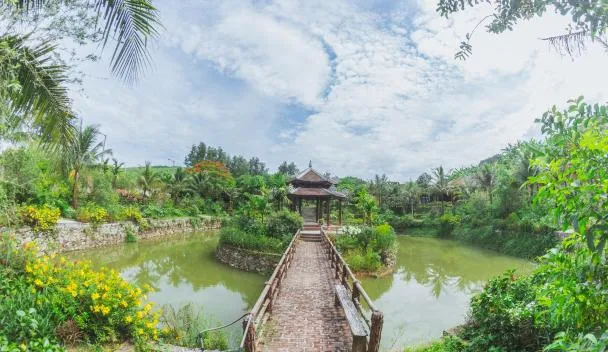
It starts with the rain. Not the kind that ruins plans, but the soft, warm drizzle that makes the Citadel’s ancient walls glisten and fills the air with the scent of wet earth, jasmine, and distant incense. You stand under the shelter of a carved wooden gate, watching droplets trace paths down centuries-old stone, and suddenly the weight of history feels intimate rather than distant. This is Hue, the former imperial capital, a city that doesn’t just show you Vietnam’s royal past — it lets you feel it in your bones.
While beaches and islands draw the crowds, travelers from the US and Europe are increasingly seeking out Hue for its profound cultural depth and slower, more reflective pace. In 2026, it’s quietly emerging as the place where discerning visitors go to understand the heart of Vietnam beyond the postcards.
Stepping Into a Living Dynasty
The Hue Imperial City isn’t a museum frozen in time. It’s a breathing masterpiece of Nguyen Dynasty architecture, where emperors once ruled and where the echoes of courtly life still linger in the gardens, pavilions, and temples. Walk through the Noon Gate as the morning light filters through, and you can almost hear the rustle of silk robes and the measured steps of royal processions.
But the real magic happens when you slow down. Hire a bicycle and pedal along the Perfume River as locals go about their day — women in ao dai cycling gracefully, street vendors balancing baskets of flowers, and elderly men practicing tai chi in the parks. The river itself is central to life here, its gentle flow carrying both daily routines and centuries of stories.
The People Who Carry the Tradition
Hue residents have a reputation for elegance and quiet dignity. Shaped by their city’s royal heritage, there’s a refined politeness mixed with genuine curiosity about visitors. Conversations often drift into poetry, history, or the subtle art of Vietnamese tea ceremonies. You might find yourself invited into a family home for a simple meal, where the grandmother shares tales of how her ancestors served in the imperial court, all while pressing more food onto your plate with that unmistakable warmth.
Local customs emphasize respect, balance, and harmony — values visible in everything from the meticulously maintained ancestral altars in every home to the way festivals blend solemn ritual with joyful celebration.
A Cuisine Fit for Emperors
Hue’s food is legendary for its delicacy and sophistication, often considered the most refined in Vietnam. It was designed to please royal palates, after all.
Sit at a low table in a garden restaurant as the afternoon light fades, and savor dishes that tell stories on the plate:
- Bún bò Huế — a bold, lemongrass-infused beef noodle soup with a fiery kick that warms you from within
- Paper-thin pancakes wrapped around shrimp, pork, and fresh herbs
- Royal steamed dumplings shaped like delicate flowers
- Sweet desserts made from local lotus seeds and coconut
Every meal feels like a ceremony — balanced in flavor, beautiful in presentation, and deeply satisfying.
Hidden Corners That Reward the Adventurous
Beyond the main Citadel, Hue reveals layers most visitors never reach:
- The royal tombs scattered along the riverbanks, where emperors chose peaceful hillsides for their final resting places. Tomb of Tu Duc, with its serene lakes and pine forests, feels like stepping into a watercolor painting.
- Thanh Toan Covered Bridge in a quiet village — an ancient wooden structure where locals still gather, far from the main tourist flow.
- The countryside roads leading to small pagodas and rice fields, where you can join a monk for morning chants or simply sit and absorb the tranquility that defines this region.
These spots offer that precious sense of solitude and discovery, where the only sounds are birdsong, rustling leaves, and your own thoughts.
Practical Beauty for Your Journey
Hue is at its most poetic from February to May, when the weather is mild, the gardens bloom vibrantly, and the river is at its calmest. The light is softer, the air gentler — perfect for long, immersive days.
Fly into Hue’s airport or take the scenic train from Hanoi or Da Nang for views that hug the coastline and mountains. Once here, cycling or walking the compact center is ideal, while private drivers make exploring the wider area effortless and affordable. Stay in restored colonial villas, boutique hotels overlooking the river, or heritage guesthouses where the architecture itself tells a story.
You’ll find the value exceptional — exquisite meals often cost $8-15, and cultural experiences like boat trips or village visits remain wonderfully accessible without sacrificing quality.
Remember to dress modestly at sacred sites, move quietly in temple areas, and embrace the occasional rain — it’s part of Hue’s romantic charm. A smile and basic Vietnamese phrases open doors here more than anywhere else.
The Lasting Impression
Hue doesn’t overwhelm you with spectacle. It seduces you with subtlety — the way incense smoke curls around ancient pillars at dusk, the taste of a perfectly balanced royal dish, the gentle nod from a stranger that makes you feel quietly welcomed into something timeless.
In a country full of dramatic landscapes, Hue offers something rarer: emotional resonance. It’s where you reconnect with the idea that travel can be contemplative, enriching, and deeply human.
You’ll leave with more than memories. You’ll carry a piece of imperial grace, the scent of rain on old stone, and the quiet certainty that you’ve touched Vietnam’s most elegant soul.
If you’re craving a destination that moves you rather than just impresses you, Hue is waiting with open gates and lantern-lit evenings. The Perfume River flows on — shouldn’t you be there to see it?


0 nhận xét:
Post a Comment