Close your eyes and listen. It is not the sound of silence. It is the steady, rhythmic thwack-drip of water hitting ancient stone, echoed through an abyss so massive it creates its own weather system. The air is cool, heavy, and smells of wet moss and prehistoric stone—an aroma untouched by daylight for millions of years. When you finally switch off your headlamp, the darkness isn't just black; it feels physical, a soft weight pressing against your skin, forcing you to slow your breathing to match the slow pulse of the planet.
While the coastal towns and ancient ports of Vietnam have long captured Western wanderlust, a quiet revolution is taking place below the surface. Travelers from New York, London, and Berlin are looking toward Central Vietnam’s Quang Binh province, home to Phong Nha-Ke Bang National Park.
This is not a destination for the casual sightseer. It is a portal into an otherworldly subterranean kingdom that is currently topping international search trends for eco-luxury, extreme adventure, and raw, transformational travel.
The Kingdom of Karst: An Extraterrestrial Oasis on Earth
To understand Phong Nha is to understand that you are walking on a landscape sculpted over 400 million years. This UNESCO World Heritage site protects the oldest karst region in Asia, a vast labyrinth of over 300 caves, underground rivers, and primary rainforests that feel like a living set of Jurassic Park.
What truly separates Phong Nha from any other cave system on Earth is the sheer scale and the pristine ecological systems found inside. This isn't a place of concrete walkways and neon colored lights. Here, you trek through underground jungles, swim through pitch-black subterranean rivers illuminated only by your headlamp, and camp on pristine subterranean sand beaches inside caverns large enough to fit a New York City skyscraper block.
But the wilderness is only half the magic. The true soul of the park rests in its people. The locals—many of whom belong to the Chut and Van Kieu ethnic minorities, or are former illegal loggers turned conservation guides—possess a remarkably resilient, joyful, and protective character. They have shifted from exploiting the jungle to fiercely guarding it.
When you spend a day trekking with a local guide, their hospitality is disarmingly humble. They will effortlessly navigate a vertical limestone cliff, stop to show you a hidden medicinal leaf, and then sit with you by a campfire, sharing stories of how their families used these very caves as shelters during the war, transforming a geological tour into an unforgettable human connection.
Fire-Grilled Wilderness and Cold Mountain Streams
The culinary scene in Phong Nha is entirely distinct from the delicate, sweet profiles of the south or the complex herbs of the north. This is jungle food: rustic, intense, and deeply satisfying after a day of physical exploration.
The undisputed signature dish of the region is Phong Nha Grilled Chicken, served on large banana leaves at local riverside eateries. The chickens are raised free-range on the steep limestone hillsides, making the meat incredibly firm and flavorful. They are slow-roasted over wild wood fires until the skin turns a crackling, golden amber, then generously rubbed with Muoi Cieu—a fiery local condiment made from wild pepper seeds, lime leaves, and salt.
Pair this with a bowl of hot Chao Canh (a thick, rustic noodle soup loaded with fresh river fish and snakehead fish cakes) and a cold local beer, and you will understand how the flavors of smoke, spice, and earth perfectly mirror the landscape around you.
Secrets in the Limestone: Beyond the Tourist Track
While the massive show caves like Paradise Cave draw daytime visitors, the true connoisseur of travel looks for the hidden entryways that require a bit of sweat to unlock.
The Mystical Portal of Tra Ang Cave
For an experience that borders on the spiritual, bypass the main routes and head deep into the primary forest to find Tra Ang Cave. Accessible only via an intense jungle trek and a scramble over sharp limestone boulders, this cave forces you to strip down to your swimwear, strap on a life jacket, and swim over 600 meters into a pitch-black water cavern. Floating silently in the cool, crystal-clear mountain water, watching the stalactites sweep overhead under the beam of your torch, feels less like tourism and more like exploring an uncharted moon.
The Forgotten Serenity of Bong Lai Valley
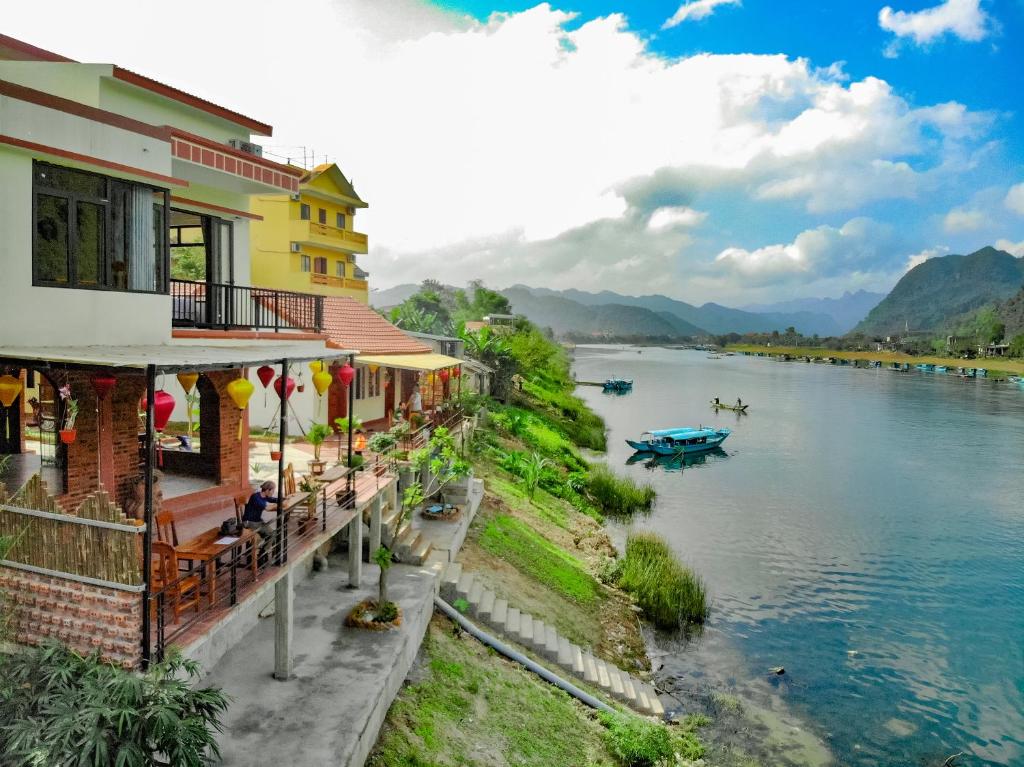
When you emerge from the underworld, rent a bicycle and head east into the Bong Lai Valley. This rural, pastoral paradise is a patchwork of bright green rice fields, grazing water buffaloes, and tiny farming hamlets. Stop by the "Pub with Cold Beer"—a legendary, hyper-local eco-farm where you can pick your own vegetables from the garden and relax in a hammock overlooking the winding Con River as the sun dips behind the purple mountain ridges. It is a slice of idyllic rural Vietnamese life completely untouched by the fast-moving modern world.
The Explorer’s Manual: Practical Wisdom for the Journey
The Environmental Window
Timing is everything in Central Vietnam. The absolute best time to explore Phong Nha is from April to August, when the dry season brings clear skies, warm weather, and low water levels inside the caves, making swimming and trekking highly safe and accessible. Avoid the region completely from October to November, as the heavy monsoon rains cause the underground rivers to swell rapidly, flooding the cave entrances and closing down all expeditions.
Navigating the Pass
Reaching this wilderness is surprisingly smooth. Most international travelers fly into Hanoi or Ho Chi Minh City and catch a short, 1-hour domestic flight to Dong Hoi Airport (VDH). From Dong Hoi, a scenic 45-minute drive through rural villages brings you directly into Phong Nha town. Alternatively, the romantic overnight sleeper train from Hanoi to Dong Hoi offers a nostalgic, slow-travel alternative that lets you watch the Vietnamese countryside wake up through your cabin window.
The Investment in Adventure
While basic entry tickets to the standard caves are inexpensive, the true multi-day expedition treks into deep caves like Hang En or Tiger Cave are tightly regulated to protect the ecosystem. These tours are all-inclusive, providing elite safety gear, porter teams, and environmental guides:
A traditional charcoal-roasted chicken dinner for two: $10 to $14.
A full-day jungle trekking and caving excursion: $60 to $100.
A multi-day, deep-cave camping expedition: $250 to $800 (worth every single penny for a once-in-a-lifetime experience).
A stunning eco-bungalow perched over the river: $45 to $85 per night.
Expedition Etiquette
This is a delicate, living ecosystem. Never touch the stalactites or stalagmites inside the caves, as the oils from human skin can permanently halt their million-year growth. Sturdy, quick-drying trail shoes are an absolute necessity, along with long-sleeved athletic wear to protect against sharp rocks and jungle brush.
The Ultimate Insider Secret: If you truly want to experience the haunting beauty of Phong Nha, don't leave right after the caves close. Hang around the entrance of Phong Nha Cave at dusk. As the sky turns a deep violet, millions of bats erupt from the cave mouth in a massive, swirling black ribbon, twisting across the river toward the jungle canopy for their nightly hunt. Stand completely still on the riverbank, listen to the collective whisper of a million wings beating against the humid air, and feel the raw, untamed heartbeat of the earth. You are no longer just a spectator; you have been initiated into the wild.


0 nhận xét:
Post a Comment