Pages

Tuesday, October 2, 2012

The Emerald Labyrinth: Surrendering to the Limestone Castles and Floating Rhythms of Lan Ha Bay

Close your eyes and let the frantic, neon-drenched kinetic energy of Hanoi melt away completely. Instead, listen to the rhythmic, hypnotic slap of jade-green water against a polished teak hull. Here, tucked into the southern curvature of the Cat Ba Archipelago, the air is thick, warm, and hyper-alive. It is an intoxicating, sensory envelope dominated by the clean, sharp scent of limestone dust, damp sea caves, wild orchids clinging to vertical jungle walls, and the briny, rich aroma of woodfired oysters drifting from a remote stilt village hidden inside a flooded caldera.

Then, open your eyes to the great panoramic horizon. The mountains here don't merely sit on the horizon; they pierce the sky—hundreds of towering, ancient limestone karsts wrapped in thick, emerald-green jungle, exploding directly out of an impossibly calm, glass-flat sea. This is Lan Ha Bay, Vietnam.

Global digital travel metrics reveal a profound, high-intent migration of premium curiosity toward destinations offering raw ecological preservation and geographical isolation. Discerning travelers from North America and Western Europe are moving rapidly away from the heavily congested cruise corridors of neighboring Ha Long Bay. They are searching for a true spatial escape—an unhurried, texturally rich relationship with a landscape that still looks exactly like an unedited, prehistoric watercolor painting. Lan Ha Bay has captured the absolute center of this sustainable luxury travel movement, rising as a dreamlike sanctuary where floating fishing communities and ancient geology exist in perfect, silent harmony.

The Floating Ancestors: Floating Villages and the Law of the Calm Sea

To truly comprehend the real human current of Lan Ha Bay, you must slip past the standard tour-boat channels and navigate a small bamboo skiff through the floating village of Cai Beo. This is one of the oldest coastal fishing settlements in Southeast Asia, a floating world where hundreds of multi-generational families live on wooden houses anchored directly to the limestone walls, floating on blue plastic drums.

The fishing families who inhabit this watery labyrinth possess a quiet, deeply interior resilience and an unhurried, observational grace. Their faces are beautifully sun-browned, cast in deep lines by the reflections of the salt water and the glare of the tropical sun. They navigate their world with an fluid, balanced agility—even small toddlers stand firmly on the edge of rolling wooden rafts with absolute, casual ease.

Their hospitality is anchored in the ancient seafaring code of the Gulf of Tonkin, where mutual protection and respect for the sea gods dictate daily survival. If you drift quietly past a floating home where an elder is repairing a hand-tied monofilament net, he won't yell out a rehearsed sales pitch. But if you nod your head politely and slow your oars, his dark eyes will crinkle with warmth. He might point toward his floating underwater storage cages, pull up a massive, flapping rockfish, and describe how his grandfather taught him to read the change in the tides by watching the behavior of the bay's sea snakes. Through him, you realize that Lan Ha is not just a scenic backdrop; it is an active, living ecosystem where human ancestry remains completely tethered to the pulse of the sea.

The Altar of the Salt Hearth: Woodfired Rock Oysters, Lemongrass Clams, and Wild Geometrid Honey

The gastronomy of the Cat Ba Archipelago is a brilliant expression of maritime isolation and forest foraging, relying on the pristine quality of the bay's tidal waters and the wild plants found on the high limestone peaks.

The Smoky Char of Woodfired Rock Oysters

The definitive culinary encounter of a Lan Ha evening is tasting fresh Hàu Nướng Mỡ Hành (Rock Oysters grilled over open wood embers). Cultivated directly beneath the floating houses of the bay, these oysters are pulled from the clean, moving currents and cracked open within seconds of hitting the iron grill. They are splashed heavily with rendered pork fat, crispy shallots, and a generous handful of crushed peanuts. The first bite is an intense texture explosion: crispy, smoky, beautifully sweet, and bursting with a clean, milky ocean brine that cuts through the rich warmth of the shallot oil.

The Sweet Herbal Balance of Steamed Tu Hai

For a true local delicacy, look for Tu Hài (Geoduck clams), steamed inside heavy clay pots over a bed of bruised lemongrass stalks, wild ginger roots, and fresh chili peppers. The meat is exceptionally crisp and firm, absorbing the bright, citrusy aromatics of the mountain herbs while retaining its natural, sweet oceanic crunch. Paired with a chilled glass of local rice wine or a fresh coconut pulled from the island groves, it is a magnificent masterclass in culinary simplicity.

The Hidden Gates: Sinking Grottoes and the Secret Beach of Ba Trai Dao

While the towering karsts form the structural majesty of the bay, the true emotional magic of Lan Ha belongs to those who drop a fiberglass kayak into the water and slide through the dark, low-roofed sea caves that lead into hidden inner lagoons.

The Bioluminescent Dark of Bright Cave

Navigate your kayak toward the narrow opening of Hang Sáng (Bright Cave) just as the late afternoon shadows begin to stretch. The entrance is a low, limestone archway draped in weeping ferns and ancient stalactites. As you paddle beneath the cold rock roof, the sound of the open sea fades instantly, replaced by a deep, cathedral-like echo. You emerge into a completely enclosed, circular inner lake surrounded on all sides by vertical stone cliffs. There are no engines permitted here. Standing in that quiet stone ring, watching the wild macaques leap through the high jungle canopy while your paddle strokes stir up faint, glowing green swirls of bioluminescent plankton in the dark water, is an unforgettable encounter with pure primordial isolation.

The Fleeting Sanctuary of Ba Trai Dao

To experience absolute geographic luxury, cross the southern border of the bay to the isolated trio of islets known as Ba Trai Dao (The Three Peaches). According to ancient folklore, these islands were created when a heavenly fairy stole three celestial peaches for her mortal lover, turning them into stone to hide them from the Dragon King. At low tide, the receding water reveals a collection of pristine, crescent-shaped white sand beaches hidden completely beneath massive, overhanging limestone arches. These beaches exist for only a few hours a day before the high tide claims them once more. Standing on that empty white sand alone, swimming through clear waters while looking straight up at towering jungle cliffs, provides an overwhelming feeling of absolute, private discovery.

The Lan Ha Compendium: Strategic Intelligence for the Discerning Explorer

The Maritime Seasons

Lan Ha Bay changes its visual personality entirely based on the atmospheric cycles of northern Vietnam. The absolute premier windows for international voyagers seeking clear blue skies, lower humidity, and ideal kayaking conditions are April to May and September to November. The autumn window is particularly spectacular, bringing crisp, cool evening breezes and an exceptionally high horizontal visibility that turns the limestone karsts a deep, dramatic indigo at sunset. Summer (June to August) brings a warm, tropical heat and sudden, short dramatic downpours that fill the mountain waterfalls, while winter brings a haunting, dense white fog that wraps the stone towers in a beautiful, silent mystery.

The Luxury Transfer

Reaching this pristine maritime labyrinth has become remarkably seamless, completely avoiding transit exhaustion. Travelers fly directly into Noi Bai International Airport (HAN) in Hanoi. From the capital, bypass the traditional public buses and book a private, luxury limousine van via the modern highway directly to Got Ferry Terminal in Hai Phong or Tuan Chau Harbor. The smooth 2-hour overland journey brings you straight to the water's edge, where a private speedboat awaits to transport you into the quiet heart of the bay within fifteen minutes.

The Economics of the Bay

Because Lan Ha Bay prioritizes low-impact, sustainable luxury boutique cruises and community-led eco-exploration over mass-market commercial ships, your travel budget directly preserves the fragile marine ecosystem:

  • A traditional woodfired oyster and rockfish lunch for two on a floating platform: $25.00 to $40.00.

  • A private, full-day customized kayaking exploration led by an expert local skipper: $45.00 to $70.00.

  • A bottle of rare, raw wild honey harvested from the Cat Ba jungle cliffs: $20.00 to $35.00.

  • An all-inclusive night inside an executive suite featuring a private balcony on a luxury boutique cruise ship: $220 to $450 per night.

Practical Tips and Lagoon Etiquette

  • Marine Preservation: Lan Ha Bay is home to some of the rarest marine life and primates in the world, including the critically endangered Cat Ba Langur. Never throw plastic or trash into the water, and ensure your tour operator strictly adheres to a zero-waste policy.

  • The Tidal Window: The low-hanging sea caves (Grottoes) can fill completely with water during high tides, making navigation dangerous. Always consult the local tide charts or travel with a native guide who understands the shifting currents of the inner lagoons.

  • Trekking Footwear: If you choose to land on Cat Ba Island to explore the high mountain passes, abandon thin sneakers or open sandals. The limestone paths are exceptionally sharp, rugged, and can become incredibly slick after a light morning mist; pack professional hiking shoes with advanced rubber lug soles.

  • Sun and Salt Shield: The tropical sun reflects heavily off the green water, intensifying the UV exposure from every direction. Bring high-factor reef-safe sunblock, a wide-brimmed hat, and a durable stainless steel canteen to stay continuously hydrated during long kayaking sessions.

The Ultimate Insider Secret: If you book a luxury overnight cruise, coordinate with your captain to step onto the topmost teak deck at precisely 11:45 PM. Turn off all personal devices and let your eyes adjust to the darkness. At this hour, the day-trippers are long gone, the ship's generators drop to a quiet hum, and the bay settles into a deep, historic silence. Watch the moon slide between the massive silhouettes of the limestone towers, casting long, silver ripples across the jade water. Listen to the gentle lap of the tide against the hull, accompanied by the distant, soft call of a forest owl echoing from a high jungle cliff. In that immense, cosmic stillness, with the cool sea breeze brushing against your face, you will realize you aren't looking at a view—you have stepped completely outside of modern time to stand inside a living, breathing eternity of stone and water.

Monday, October 1, 2012

Udaipur: India’s City of Lakes Where Romance and Royalty Still Reign

The first light of dawn filters through the arched windows of your heritage hotel, casting a soft glow over Lake Pichola. In the distance, the City Palace emerges like a floating mirage, its intricate marble and sandstone reflecting perfectly on the still water. A gentle breeze carries the faint scent of jasmine and incense, while the distant sound of a temple bell echoes across the lake. You sip your morning chai on the terrace, and suddenly the rest of the world feels very far away. This is Udaipur — Rajasthan’s most romantic city — and it has a way of making every moment feel like a scene from a royal legend.

Once known primarily to Indian travelers and a handful of honeymooners, Udaipur has been steadily rising on international radars in 2026. American and European visitors are discovering its perfect blend of opulent palaces, serene lakes, vibrant arts scene, and a new wave of thoughtful luxury that honors its royal heritage while offering modern comfort.

A City Built for Dreamers

Udaipur earns its nickname as the “Venice of the East” for good reason. The interconnected lakes create a serene backdrop that changes mood with the light — soft and ethereal at dawn, dramatic and golden at sunset. A sunset boat ride on Lake Pichola, gliding past the iconic Lake Palace (now a luxury hotel), delivers one of those pinch-me moments where reality feels more beautiful than any postcard.

The City Palace complex is a must, with its museums, courtyards, and breathtaking views. But the real joy comes from simply wandering the old city’s winding streets, where colorful havelis, bustling markets, and quiet ghats reveal layers of history and everyday Rajasthani life.

A Living Royal Heritage

The people of Udaipur carry themselves with a graceful dignity rooted in their city’s royal past as the capital of Mewar. There’s a warmth and pride here — locals are often eager to share stories of legendary kings, epic battles, and the enduring spirit of Rajasthan. You might find yourself chatting with an artisan in a workshop, watching them create intricate miniature paintings using techniques passed down for centuries.

Festivals bring the city to life with vibrant processions, folk music, and traditional dance. Even on ordinary days, the rhythm feels special: morning aarti ceremonies at lakeside temples, the clinking of bangles in the markets, and the easy hospitality that defines Rajasthani culture.

Flavors Fit for Royalty

Udaipur’s cuisine is rich, aromatic, and proudly Rajasthani. After a day exploring, settle into a palace restaurant or a quiet lakeside café and savor:

  • Laal maas — tender mutton in a fiery red chili gravy
  • Ker sangri — a unique desert bean and berry dish
  • Freshly made dal baati churma, served with ghee and love
  • Sweet malpua soaked in saffron syrup

Don’t miss the local street snacks or a traditional thali that showcases the region’s diversity in one colorful plate. Meals here are generous, flavorful, and often accompanied by warm conversation.

Hidden Gems Beyond the Palaces

While the main lakes and palaces attract attention, Udaipur offers quieter treasures:

  • Sajjangarh Palace (Monsoon Palace) perched on a hill with panoramic views, especially magical during or after rain.
  • The serene Bagore Ki Haveli for evening cultural performances that feel intimate and authentic.
  • Nearby countryside drives to villages and lesser-known lakes where life moves at a slower, more peaceful pace.

These spots deliver that satisfying feeling of having discovered Udaipur’s more personal, contemplative side.

When to Visit and How to Experience It

The most enchanting periods are October to March, when the weather is pleasant and the lakes are at their most beautiful. The festive season around Diwali brings extra magic with lights and celebrations.

Udaipur is well-connected by flights to Maharana Pratap Airport or a scenic drive from Jodhpur or Jaipur. Once there, walking the old city, cycling around the lakes, or hiring a private driver for day trips offers the best flexibility. Stay in a restored royal palace or heritage haveli for an immersive experience — many have been beautifully converted into boutique hotels with stunning views. Costs provide excellent value for the royal treatment you receive.

A few thoughtful notes: Dress modestly at religious sites, respect local customs, and support independent artisans and family-run businesses to help preserve Udaipur’s rich cultural heritage.

The City That Captures Your Heart

Udaipur doesn’t just show you beauty. It surrounds you with it — the gentle lap of water against ancient ghats, the taste of saffron-infused sweets, the warmth of a local smile as they share a piece of their city’s proud history, and the profound peace that settles over the lakes at dusk.

In a world that often moves too fast, Udaipur offers something rarer: a place where romance, history, and serenity still exist in perfect balance. It’s the kind of destination that makes you slow down, look closer, and fall a little in love with the art of living well.

You’ll leave with the reflection of palace lights still dancing in your memory, a heart warmed by genuine connections, and an irresistible desire to return to this lakeside jewel of Rajasthan.

The sun is setting over the water. The palace lights are beginning to glow. And that unforgettable Udaipur evening — where time feels suspended and the world feels right — is waiting for you.

This might just be the Indian experience that redefines romance and wonder for you. The City of Lakes is calling. Will you answer?

Sunday, September 30, 2012

Why Tübingen Might Be Europe’s Most Enchanting Surprise of 2026

There are places you plan to visit.

And then there are places that quietly take hold of your imagination long before you arrive.

Tübingen belongs to the second category.

At a time when travelers are increasingly searching for destinations that feel authentic, walkable, culturally rich, and refreshingly free from overtourism, this medieval university town in southern Germany has emerged as one of Europe's most captivating hidden gems.

Yet what makes Tübingen special isn't simply what it has.

It's what it makes you feel.

The Moment You Realize This Place Is Different

Most visitors arrive expecting a pleasant German town.

What they find instead feels almost cinematic.

The first thing you notice is the color.

Pastel-painted houses lean gently over narrow cobbled streets. Flower boxes spill from medieval windows. Church bells echo through alleyways that have witnessed centuries of history. The Neckar River glides quietly through the town, reflecting towers, bridges, and rooftops that seem untouched by time.

Unlike many historic European cities, much of Tübingen survived the devastation of the twentieth century intact. As a result, wandering through the old town feels remarkably authentic. There is no sense of reconstruction. The atmosphere is real, lived-in, and beautifully preserved.

You don't explore Tübingen with a checklist.

You simply wander.

And that is precisely the point.

Drifting Along the Neckar River

Every destination has a signature experience.

In Tübingen, it happens on the water.

Long wooden boats known as Stocherkähne glide along the Neckar River, propelled by standing boatmen using long poles. The scene resembles Oxford or Cambridge, yet feels more intimate and less crowded.

As your boat moves beneath willow trees and stone bridges, students laugh from the riverbanks. Locals picnic on the grass. Swans drift alongside the boat.

The entire town seems to slow down.

There are few travel experiences in Europe that feel this effortlessly romantic.

No engines.

No crowds.

Just the sound of water touching wood and the occasional church bell ringing in the distance.

A Town Built on Curiosity

Tübingen is home to one of Germany's oldest universities.

For centuries, scholars, philosophers, scientists, and poets have walked these streets.

The youthful energy is impossible to miss.

One-third of the town's population consists of students, creating a rare combination of intellectual culture and medieval beauty. Historic buildings house independent bookstores. Tiny cafés overflow onto ancient squares. Conversations about literature, politics, science, and art fill outdoor terraces late into the evening.

Unlike destinations that preserve history behind museum glass, Tübingen feels alive.

Its history is not displayed.

It is still being written.

The Hidden Corners Most Visitors Miss

While the old town receives deserved attention, some of Tübingen's most memorable moments happen away from the main streets.

Wake up early and climb toward the quieter residential hills above town. The morning mist often hangs over the river valley while church spires emerge from the fog.

Explore hidden courtyards tucked behind medieval gateways.

Visit small neighborhood bakeries before sunrise, where locals gather for coffee and fresh bread long before tourists appear.

Take riverside paths beyond the historic center and discover peaceful stretches where the only sounds are birdsong and bicycle bells.

These aren't attractions.

They're experiences.

And they are often what travelers remember most.

The Food That Tells the Story of the Region

Travelers increasingly seek destinations through flavor.

Tübingen delivers.

One of the local specialties is Maultaschen, often described as Germany's answer to stuffed pasta. Filled with meat, spinach, herbs, and spices, it represents generations of regional tradition.

Then there is Käsespätzle — soft egg noodles layered with melted cheese and caramelized onions.

Pair either dish with a glass of local wine from the surrounding countryside and you'll understand why food here feels deeply connected to place.

The dining culture is relaxed and social.

Meals stretch longer.

Conversations linger.

Nobody seems to be in a hurry.

The Character of the People

Ask travelers what they remember most about Germany and many will mention efficiency.

Ask travelers about Tübingen specifically, and they often mention kindness.

Locals tend to be welcoming, educated, environmentally conscious, and surprisingly approachable.

Many speak excellent English, making communication easy for international visitors.

Yet despite the town's growing popularity, residents have maintained a strong sense of local identity. Visitors are welcomed not as spectators but as temporary participants in daily life.

That distinction matters.

You don't feel like you're observing Tübingen.

You feel invited into it.

When to Visit

Late spring through early autumn is arguably the most magical period.

From May through September, outdoor cafés fill with life, river activities reach their peak, and the surrounding countryside glows green.

Summer evenings are particularly memorable. Daylight lingers well into the evening, creating golden reflections across the Neckar River and turning simple walks into unforgettable experiences.

Autumn brings a completely different mood.

The hills surrounding town burst into shades of gold and copper, creating one of Germany's most underrated seasonal landscapes.

What Does a Trip Cost?

Compared with Europe's most famous cities, Tübingen remains surprisingly accessible.

Many visitors can comfortably enjoy quality accommodations, excellent dining, and local experiences without the premium prices associated with destinations such as Paris, London, or Venice.

Budget-conscious travelers can often spend between $80 and $150 per day excluding international flights, while those seeking boutique hotels and fine dining may choose to spend more.

The value-to-experience ratio remains one of the town's greatest advantages.

Questions Travelers Frequently Ask

Is Tübingen crowded?

Not compared to Europe's major tourist centers. Even during peak season, the atmosphere remains relatively relaxed.

How many days should I stay?

Two to four days allows enough time to absorb the town's atmosphere while exploring surrounding areas.

Can I visit without speaking German?

Absolutely. English is widely understood, especially among younger residents and those working in tourism.

Is it suitable for solo travelers?

Exceptionally so. The town is walkable, safe, and filled with welcoming public spaces.

Why Travelers Are Falling in Love With Places Like This

Travel has changed.

People increasingly want stories rather than selfies.

Meaning rather than crowds.

Atmosphere rather than checklists.

Tübingen offers something increasingly rare in modern tourism: authenticity without sacrifice.

It is beautiful without trying to impress.

Historic without feeling frozen.

Sophisticated without being intimidating.

By the time you leave, you may struggle to explain exactly why it affected you so deeply.

Perhaps it's the river.

Perhaps it's the medieval streets.

Perhaps it's the feeling that you've stumbled upon a version of Europe that many travelers have forgotten still exists.

Whatever the reason, one thought tends to linger long after the journey ends:

I need to experience this place for myself.

Saturday, September 29, 2012

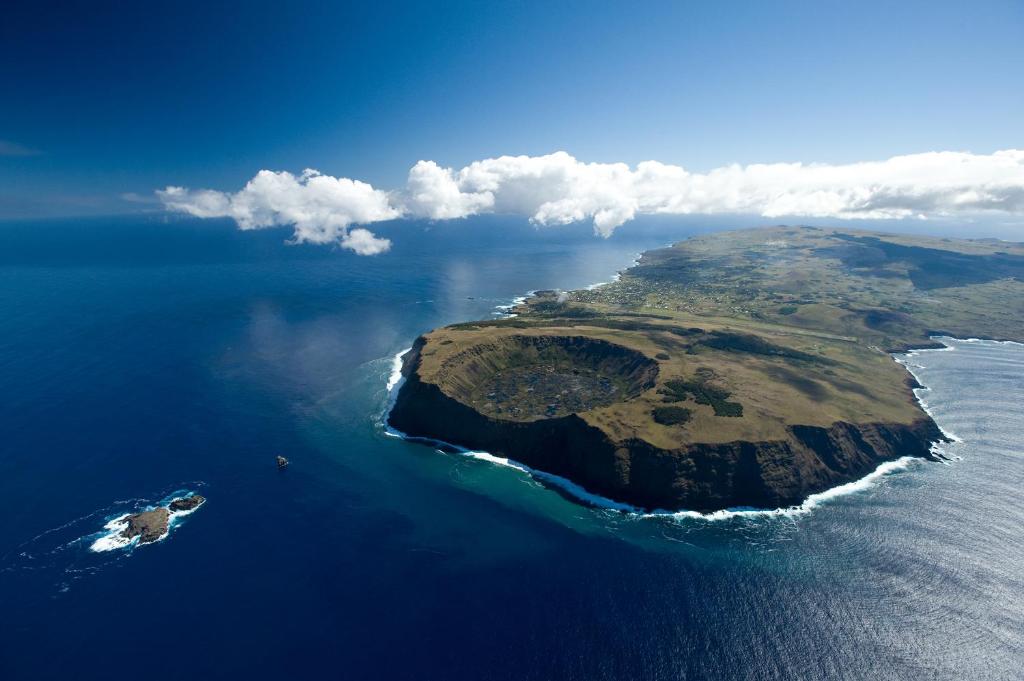
The Whispering Monoliths: Unveiling the Volcanic Tuff Giants and Ocean Mysticism of Rapa Nui

Close your eyes and listen to the rhythmic, brutal crash of the South Pacific. Here on the most isolated inhabited coastline on our planet, thousands of miles from the nearest continental landmass, the air smells completely primal. It is a sensory envelope dominated by heavy salt spray colliding with jagged black basalt cliffs, damp volcanic soil heated by a subtropical sun, and the sweet, herbaceous aroma of wild guava and dry pasture grass blowing across open volcanic plains.

When you stand on the crater rim of Rano Raraku, the physical world changes shape. Towering figures carve themselves out of the landscape—colossal stone faces with heavy brows, prominent noses, and elongated ears, staring silently across the grass toward an infinite blue horizon. This is Rapa Nui, known globally as Easter Island.

Global search patterns indicate an unprecedented migration of luxury adventure intent toward extreme geographic isolation and deep anthropological riddles. Discerning travelers from North America and Western Europe are moving rapidly away from manicured eco-resorts and predictable island destinations. Instead, they are seeking raw existential scale, historical depth, and cultural preservation untouched by modern commercialism. Rapa Nui has surged to the absolute apex of this international curiosity, acting as a living portal to an era when seafaring Polynesian navigators crossed thousands of leagues of open water guided only by the stars and the ocean currents.

The Carvers of the Mana: Polynesian Lineage and the Law of Respect

To feel the true spiritual current of Rapa Nui, you must abandon the central harbor of Hanga Roa and trace the dirt tracks with a native Rapanui guide. The indigenous Polynesian residents possess a beautifully reserved, fiercely proud, and deeply dignified character. They do not view themselves merely as residents of a Chilean territory; they are the living descendants of a sovereign seafaring lineage that engineered one of the greatest megalithic cultures in human history.

Their hospitality is anchored in the traditional concept of Uka, a deep-seated code of mutual respect, environmental stewardship, and ancestral reverence.

If you sit near an active archaeological excavation where an elder is observing the stabilization of a collapsed platform (ahu), he will not offer a standard tourist greeting. But if you walk with quiet footsteps and respect the boundary stones, his gaze will soften. He might point toward the stone pukao (topknots) resting in the grass and speak softly of Mana—the spiritual power and protective energy that flows from the ancestors through the stone statues (moai). Through his presence, you understand that these monoliths are not ancient statues; they are the literal faces of their grandfathers, designed to cast a protective gaze over the living clans.

The Fire of the Earth: Umukai Feasts, Wild Sweet Potatoes, and Ocean Ceviche

The gastronomy of Rapa Nui is an extraordinary testament to isolation, fusing traditional Polynesian earth-oven techniques with the hyper-fresh bounty of the deepest parts of the Pacific Ocean.

The Earth-Baked Soul of the Umukai

The definitive culinary encounter of a Rapanui night is sharing an Umukai, the traditional communal earth oven feast. A deep pit is dug into the volcanic soil and lined with volcanic stones heated by a hard-wood fire. Layers of local taro root, wild sweet potatoes (kumara), plantains, pork, and freshly caught local fish are wrapped in broad green banana leaves and laid over the glowing rocks. The pit is sealed completely with earth and left to steam for hours. When the dirt is cleared away, the food emerges perfectly tender, smoky, and infused with the sweet, tropical moisture of the banana leaves—a rustic, ceremonial flavor that connects you straight to the ancient earth.

The Briny Sharpness of Rapanui Ceviche

For a completely different sensory texture, look for a small, wooden shack overlooking the crashing surf at Hanga Piko to try the local Ceviche. Freshly caught yellowfin tuna or swordfish is diced into firm cubes within minutes of leaving the fisherman's boat. It is tossed simply with lime juice, green onions, and fresh coconut milk pressed by hand from wild trees. The texture is magnificent—creamy, cold, beautifully sweet, and carrying a sharp, oceanic freshness that cuts through the heat of a long coastal trek.

The Sacred Platforms: Red Scoria Caps and the Birdman Cliffs

While the iconic rows of statues draw the initial camera lens, the true emotional gravity of Rapa Nui reveals itself when you stand at the edge of the volcanic rifts where the island's legendary spiritual cults were born.

The Giant Alignment of Ahu Tongariki

Stand before Ahu Tongariki precisely forty minutes before dawn. This is the largest megalithic structure in Polynesia: a sweeping stone platform supporting fifteen massive moai statues standing shoulder-to-shoulder, their backs to the roaring Pacific waves. As the first orange light of the sun breaks over the ocean horizon, it passes directly between the stone columns, casting immense, towering shadows across the green grass. Standing in that silent, monumental dawn, with the spray of the ocean hitting your face, is a humbling experience of pure human ambition.

The Vertical Theater of Orongo

To experience a moment of profound, sweeping scale, ascend the steep slopes of the Rano Kau volcano to the ancient stone village of Orongo. Perched precariously on a narrow ridge between a deep, watery volcanic crater lake and a sheer 1,000-foot drop into the ocean, this was the epicenter of the Tangata Manu (Birdman) cult. Look closely at the basalt boulders to find intricate petroglyphs detailing the half-man, half-bird deity. Standing on this windy cliff edge, looking out at the isolated rocky islets below where young warriors once swam through shark-infested waters to retrieve the first egg of the sooty tern, provides a staggering sense of historical drama.

The Rapa Nui Compendium: Operational Strategy for the Pacific Voyager

The Subtropical Calendar

Rapa Nui sits isolated in the southern hemisphere, creating a humid, subtropical climate moderated by continuous oceanic breezes. The absolute premier window for international travelers seeking ideal trekking conditions and vibrant cultural immersion is February, when the island hosts the legendary Tapati Rapa Nui festival—a massive, two-week celebration of traditional sports, dance, and ancestral wood-carving. Alternatively, the shoulder months of October to November and April to May offer beautifully clear, crisp skies, lower humidity, and empty archaeological paths.

The Oceanic Approach

Reaching this remote volcanic dot requires deliberate planning. The exclusive entry route for international voyagers is to fly into Santiago International Airport (SCL) in Chile, followed by a 5.5-hour flight across the open ocean to Mataveri International Airport (IPC) in Hanga Roa. Because the island maintains a strict conservation ceiling, all travelers must register online for a Rapa Nui Entry Form (FUI) before boarding and present a confirmed booking at a licensed accommodation.

The Value of Isolation

Because the island heavily prioritizes indigenous land ownership, strict visitor quotas, and community-led eco-lodges over corporate hotel chains, your travel budget directly funds the preservation of the stone monuments and native language:

  • A traditional Umukai earth feast and cultural performance for two: $60.00 to $90.00.

  • The mandatory National Park Pass (valid for 10 days of unlimited monument access): $80.00.

  • A private, full-day custom exploration led by an expert Rapanui guide-archaeologist: $120.00 to $180.00.

  • A luxury eco-suite built from local volcanic stone overlooking the ocean cliffs: $250 to $500 per night.

Practical Tips and Island Protocols

  • The National Park Mandate: By strict local environmental law, international travelers are not permitted to enter any archaeological site without a certified local guide. Secure your private Rapanui guide well in advance of your flight to ensure access to key locations like Rano Raraku and Anakena.

  • The Sacred Borders: Never, under any circumstances, step onto an ahu (stone platform) or touch a moai statue. These structures are profoundly sacred and legally protected; stepping past the stone boundary markers carries severe international fines and cultural disrespect.

  • Trekking Footwear: The island surface is composed of sharp, weathered volcanic basalt hidden beneath thick pasture grass. Abandon thin sneakers or sandals; pack high-performance, waterproof hiking shoes with advanced ankle support and high-traction soles.

  • Solar Discipline: The oceanic breeze can make the air feel deceptively cool, but the UV index on this isolated island is exceptionally intense. Pack high-factor reef-safe sunblock, a wide-brimmed hat, and a sturdy stainless steel canteen to stay hydrated during long coastal walks.

The Ultimate Insider Secret: If you explore the island, coordinate with your guide to stand on the high cliffs of Ahu Akivi at precisely 6:15 PM during the autumn equinox. This is the unique inland platform where seven moai face directly out toward the setting sun. Sit completely still on the grass as the sun approaches the horizon line. At this precise hour, the day-tourists have returned to the harbor restaurants, and the open country falls into an immense silence. Watch the golden light illuminate the faces of the seven stone explorers, their eyes tracing the path of the sun across the empty ocean. Listen to the wind whispering through the wild guava trees behind you. In that immense, cosmic stillness, you will realize you aren't looking at a view—you are standing on the beautiful, mysterious edge of the human world.

Friday, September 28, 2012

Beyond the Crowds: Why Kyoto Is Captivating Travelers More Than Ever

Some cities impress you.

Others stay with you long after you've returned home.

Kyoto belongs firmly in the second category.

At a time when travelers are searching for destinations that offer something deeper than landmarks and photo opportunities, Kyoto has emerged as one of the world's most sought-after cultural escapes. Search interest continues to rise among international travelers, not because Kyoto is new, but because it offers something increasingly rare in modern travel: authenticity.

This is a city where ancient traditions are not preserved for tourists. They are simply part of everyday life.

You can spend the morning walking through a thousand-year-old temple, enjoy lunch prepared according to culinary techniques perfected over centuries, and end the evening watching lanterns illuminate narrow stone streets where geisha still move quietly between appointments.

Kyoto is not a destination you visit.

It is a destination you experience.

The Magic Begins Before Sunrise

The most beautiful moment in Kyoto arrives before most visitors wake up.

As dawn slowly spreads across the city, temple bells echo through the cool morning air. The streets remain almost silent. Mist drifts between wooden buildings. A faint scent of incense escapes from temple gates that have witnessed generations of worshippers.

This is the Kyoto that locals know.

A city that feels suspended between centuries.

Standing beneath the towering vermilion gates of Fushimi Inari before sunrise, you can walk for long stretches without seeing another traveler. The famous pathways seem almost sacred in the soft morning light.

The experience feels less like sightseeing and more like stepping into another world.

A City Built on Beauty

Kyoto served as Japan's imperial capital for more than a thousand years, and traces of that history appear everywhere.

The city was designed with harmony in mind.

Temples blend into forests.

Gardens frame mountains.

Traditional houses sit quietly beside modern cafés.

Nothing feels accidental.

Even the changing seasons appear choreographed.

Spring transforms the city into a sea of cherry blossoms.

Summer brings vibrant festivals and glowing lanterns.

Autumn covers temple grounds in brilliant red and gold leaves.

Winter blankets ancient rooftops with snow, creating scenes that seem lifted from a painting.

Many travelers return repeatedly simply to experience Kyoto during different seasons.

Each visit feels like discovering an entirely new city.

The Bamboo Forest Everyone Knows—And the One Most People Miss

The Bamboo Grove in Arashiyama is one of Kyoto's most photographed locations.

And yes, it is beautiful.

But the true magic lies beyond the famous pathway.

Continue walking deeper into the surrounding hills and you'll discover quiet temples hidden among forests, peaceful gardens overlooked by most visitors, and walking trails where the sounds of the city disappear completely.

One of Kyoto's greatest strengths is its ability to reward curiosity.

The farther you wander from the obvious attractions, the more remarkable the city becomes.

Tiny shrines appear unexpectedly between residential streets.

Family-run tea houses welcome travelers with genuine warmth.

Ancient stone stairways lead to viewpoints few guidebooks mention.

These hidden discoveries often become the most memorable moments of a trip.

The Art of Slowing Down

Modern travel often feels rushed.

Kyoto encourages the opposite.

Tea ceremonies are a perfect example.

What appears simple from the outside reveals an entire philosophy centered on mindfulness, respect, and presence.

Every movement has meaning.

Every gesture carries intention.

Every silence serves a purpose.

Visitors accustomed to constant stimulation frequently describe these experiences as unexpectedly moving.

For a brief moment, time seems to slow down.

And in a world increasingly defined by speed, that may be Kyoto's greatest luxury.

The Neighborhood That Feels Frozen in Time

As evening approaches, the historic district of Gion begins to glow.

Wooden buildings line narrow streets illuminated by soft lantern light.

Restaurant doors slide open.

The aroma of grilled seafood and simmering broths drifts into the night air.

Elegant figures dressed in traditional kimono move gracefully through the shadows.

Contrary to popular myths, Kyoto's geisha culture remains alive today.

Known locally as geiko and maiko, these highly trained artists continue traditions that have survived for centuries.

The neighborhood possesses a quiet elegance that few destinations can match.

Walking through Gion after sunset feels like stepping into a living piece of history.

A Culinary Journey Through the Seasons

Kyoto's cuisine reflects the same attention to detail found throughout the city.

Seasonality matters here.

Ingredients are chosen not only for flavor but for their connection to the time of year.

Spring menus celebrate mountain vegetables and delicate blossoms.

Summer highlights fresh river fish and cooling dishes.

Autumn showcases mushrooms and seasonal harvests.

Winter focuses on warming broths and comforting flavors.

One of Kyoto's most famous specialties is kaiseki, a multi-course dining experience that transforms food into art.

Each dish is carefully crafted to reflect the season, local culture, and natural beauty of the region.

Yet some of the city's most memorable meals come from much simpler places.

Tiny noodle shops.

Family-owned bakeries.

Traditional sweet stores tucked into quiet alleys.

Kyoto rewards those willing to explore beyond the obvious.

The People Behind the City

Kyoto residents are often described as reserved.

In reality, they tend to be thoughtful and deeply respectful.

Conversations may begin quietly, but genuine curiosity and kindness often emerge once connections are made.

Many locals take pride in preserving traditions while welcoming visitors who show appreciation for the culture.

Simple gestures matter.

Patience matters.

Respect matters.

Travelers who embrace these values frequently discover a side of Kyoto that remains invisible to hurried tourists.

When Should You Visit?

Autumn is often considered Kyoto's most spectacular season.

From late October through November, fiery maple leaves transform temple grounds into extraordinary landscapes.

Spring, particularly during cherry blossom season, remains equally popular.

For fewer crowds and a more relaxed atmosphere, early summer and winter offer unique rewards.

Each season reveals a different personality.

There is no wrong time to visit.

Only different versions of Kyoto waiting to be discovered.

Practical Travel Insights

Kyoto is easily reached by high-speed rail from major Japanese cities, including Tokyo and Osaka.

Accommodation options range from luxury hotels to traditional ryokan inns.

Mid-range travelers can expect daily expenses between $100 and $250 depending on accommodation choices and dining preferences.

Comfortable walking shoes are essential.

Many of Kyoto's greatest treasures reveal themselves only to those willing to explore on foot.

Visitors should also remember that temples and sacred sites remain active places of worship.

Respectful behavior is always appreciated.

Why Kyoto Feels Different

Many destinations promise unforgettable experiences.

Kyoto rarely makes promises.

Instead, it quietly delivers moments that stay with you forever.

A temple bell echoing across a misty valley.

A cup of matcha enjoyed in complete silence.

A hidden garden discovered by accident.

The glow of lanterns reflecting on rain-soaked stone streets.

The scent of cedar wood drifting from an ancient shrine.

These are not attractions.

They are memories waiting to happen.

And perhaps that is why Kyoto continues to captivate travelers from every corner of the world.

Not because it demands attention.

But because it rewards those willing to slow down, look closer, and truly experience it.

Long after your journey ends, you'll remember how Kyoto made you feel.

And somewhere, perhaps while looking through old photographs years later, you'll find yourself thinking the same thing countless travelers think after leaving:

"I need to go back."

Tuesday, September 25, 2012

The Whispering Sands of Wadi Rum: Deciphering the Bedouin Hearth and Crimson Canyons of Jordan’s Desert Wilderness

Slide your hand along a wind-sculpted sandstone wall in the southern wilderness of Jordan just as the late afternoon sun surrenders to a deep, cooling amethyst shade. Before the desert freeze settles over the vast open country, you are greeted by an olfactory signature found nowhere else on earth. It is an ancient, grounding scent—a rich blend of crushed sage leaves drying on parched earth, bitter cardamom-infused coffee simmering over wild desert brushwood, old camel leather, and the clean, silent dust of an unchanging landscape.

Then, open your eyes to the great panoramic horizon. The mountains here don't merely sit on the land; they explode out of the pink-and-crimson desert floor like towering, melting melting castles of iron-rich stone. This is Wadi Rum, also known as the Valley of the Moon.

Global search algorithm data tracks a major, highly specific evolution in luxury adventure travel. Discriminating travelers from North America and Western Europe are moving rapidly away from manicured mountain resorts and predictable coastal paths. Instead, they are searching for profound spatial isolation, historical epicenters, and authentic human wisdom that remains unedited by the digital era. Wadi Rum has captured the absolute peak of this international curiosity, drawing independent travelers into a vast, red-sand wilderness where geological time and nomadic culture have existed in absolute harmony for thousands of years.

The Guardians of the Fire: Bedouin Kinship and the Unhurried Law of Welcome

To touch the real human current of Wadi Rum, you must leave the main eco-camp compounds behind and venture into the deeper, trackless valleys with a local Bedouin guide from the Zalabia or Zweihi tribes. These nomadic communities have navigated this maze of stone and sand for centuries, reading the dunes like a modern sailor reads the open water.

The Bedouin people possess a quiet, intensely dignified hospitality known as Diyafa. It is not a performative courtesy; it is an foundational survival law of the desert, where a traveler’s life historically depended on the shelter of strangers.

The locals approach the world with a calm, deeply observational gaze. If you sit on a thick woven camel-hair rug inside a traditional black-and-white striped tent, your host won't overwhelm you with rehearsed historical timelines. Instead, he will silently stoke the small fire, pick up a small brass pot, and pour you three precise thimbles of hot, bitter coffee spiced with fresh cardamom pods. Through this wordless ritual, he signals that you are no longer an outsider; you are a protected guest under his roof, permitted to slow down and listen to the soft pop of burning desert tamarisk while the desert wind rattles the canvas walls.

The Altar of the Underground Fire: Smoked Zarb Feast and Sage Tea Aromas

The gastronomy of Wadi Rum is an extraordinary study in landscape integration. In a high-desert environment where nothing grows without a fight, the culinary tradition relies on slow woodfires, underground earth ovens, and simple, intensely concentrated spices.

The Earth-Baked Magic of the Zarb

The definitive sensory highlight of a desert night is unearthing the Zarb. This traditional Bedouin subterranean barbecue is prepared by digging a deep pit into the crimson sand, lining it with hot charcoal, and placing a multi-tiered metal rack filled with marinated lamb, chicken, whole potatoes, and sweet onions inside. The pit is sealed completely with heavy blankets and buried beneath the sand, allowing the meats to slow-roast for hours in their own natural juices. When the sand is brushed away and the lid is lifted at midnight, the meat falls entirely off the bone—beautifully smoky, wonderfully tender, and carrying a rich, fire-roasted glaze that tastes exactly like the rugged valleys that cooked it.

The Grounding Comfort of Shai Bedouin

When the desert stars begin to sharpen against the black sky, seek out the warmth of the fire for a small glass of Shai Bedouin. This is a strong, sweet black tea brewed directly on the glowing embers, infused heavily with fresh wild sage or mountain mint gathered from the crevices of the cliffs. The combination of the sweet, piping-hot liquid and the refreshing herbal undertone provides an immediate physical comfort that completely counteracts the sudden drop in desert temperature.

The Canyons of Antiquity: Petroglyphs and the Silent Red Sea of Sand

While the vast open flats of the central valley draw the initial eye, the true, emotional gravity of Wadi Rum rewards those who head toward the narrow, labyrinthine gorges where the sandstone has fractured into spectacular natural monuments.

The Ancient Ledger of Khazali Canyon

For an unforgettable encounter with human history, slide through the narrow, towering fissure of Khazali Canyon. The interior of this deep rock split is cool and shaded, its walls carved smoothly by thousands of years of winter flash floods. Look closely at the eye-level sandstone faces to find remarkable Thamudic, Nabataean, and Kufic petroglyphs dating back over two thousand years. Seeing carved figures of humans, long-necked camels, and wild mountain goats etched into the cold rock walls reveals that you are walking along the exact same migration paths that prehistoric hunters used to survive the ancient wilderness.

The Floating Balance of the Burdah Rock Bridge

To experience absolute scale, lace up your boots and ascend the rugged mountain paths to the spectacular Burdah Rock Bridge. Suspended over a hundred feet above the valley floor, this massive, naturally formed stone arch stretches between two jagged yellow sandstone peaks. Standing on the high, narrow crest of this ancient rock bridge alone, with the howling desert wind as your only companion and looking down across an endless sea of ripples and jagged monolithic massifs, provides an overwhelming sensation of deep time and planetary power.

The Desert Manifesto: Operational Strategy for the Nomadic Interior

The Celestial Seasons

Wadi Rum completely changes its physical personality based on the seasonal cycles of the Middle East. The absolute premier windows for international voyagers seeking clear blue skies, comfortable trekking temperatures, and pristine stargazing conditions are March to May (the spring season, when rare desert wildflowers bloom briefly in the sand valleys) and October to November (the autumn window, when the air is beautifully crisp). Summer brings an intense, dry heat that can push past 105°F, making midday exploration demanding, while winter nights drop into a biting chill that requires serious thermal insulation.

The Overland Approach

Reaching this pristine wilderness is a scenic and straightforward journey. Travelers typically fly into Queen Alia International Airport (AMM) in Amman or King Hussein International Airport (AQJ) in Aqaba. From Aqaba, it is a brief, 1-hour private vehicle transfer north into the desert; from Amman, the journey takes roughly 4 hours along the spectacular Desert Highway. To preserve the fragile ecosystem, all standard civilian vehicles must stop at the Wadi Rum Visitor Center, where you will transfer your gear into an authorized open-air 4x4 pickup truck operated by your private Bedouin guide.

The Economics of Isolation

Because Wadi Rum heavily prioritizes indigenous tribal land sovereignty and local guide ownership over large-scale corporate commercial hotels, your travel budget directly supports the preservation of the desert communities:

  • A traditional underground Zarb feast and breakfast for two: Included in your private luxury camp stay.

  • An original, hand-spun wool tribal scarf purchased directly from a family tent: $20.00 to $40.00.

  • A private, full-day custom 4x4 desert exploration with an experienced Bedouin driver: $80.00 to $130.00.

  • A luxury, clear-roofed "Martian Dome" tent offering panoramic night-sky views: $180 to $350 per night.

Practical Tips and Desert Protocols

  • The Footwear Law: The sand grains of Wadi Rum are exceptionally fine and iron-rich, absorbing heat rapidly during the day and shifting constantly beneath your weight. Abandon thin sneakers or open sandals; pack high-cut, breathable hiking boots with advanced dust seals and excellent ankle support for navigating loose scree slopes.

  • Hydration Discipline: The desert air is incredibly arid, pulling moisture from your body almost instantly without visible sweat. Carry a high-capacity insulated water canteen at all times, sip continuously even if you do not feel thirsty, and protect your skin with high-factor mineral sunblock and protective lip balm.

  • Cultural Boundaries: Bedouin communities are deeply traditional and family-oriented. Dress modestly when visiting local camps or the main village; both men and women should keep shoulders and knees fully covered. Always accept a cup of tea or coffee with your right hand, as using the left hand is considered culturally impolite.

  • Leave No Trace: The desert ecosystem is incredibly fragile; a piece of trash can blow across miles of pristine dunes, harming local wildlife and camels. Pack out every single item you pack in, and never disturb or touch ancient petroglyphs on the canyon walls.

The Ultimate Insider Secret: If you choose to stay the night deep within the red sands, coordinate with your guide to walk out to the absolute center of the Um Frouth valley at precisely 11:45 PM. Sit down directly onto the cooling crimson sand and turn off your phone entirely. At this altitude, completely free from light pollution and modern noise, the night sky looks like an absolute sea of glittering diamond dust. Listen to the profound, echoing silence of the canyon walls while the distant, hollow cry of a desert owl carries across the dunes. In that immense, cosmic stillness, with the cold desert wind brushing against your face and the ancient stars illuminating the sandstone castles around you, you will realize you aren't just looking at a beautiful wilderness—you have stepped completely off the modern map to stand inside the timeless morning of the earth.

Monday, September 24, 2012

Sardinia: Italy’s Wild Mediterranean Soul Where Ancient Traditions Meet Untamed Beauty

The wind carries the scent of myrtle and salt as your boat rounds a jagged granite cliff, revealing a hidden cove of impossibly turquoise water. You drop anchor in the shallows, the sand beneath your feet soft and white, while the rugged interior mountains loom in the distance like silent guardians. In Sardinia, the Mediterranean doesn’t just sparkle — it sings with a raw, untamed energy that feels worlds away from mainland Italy’s more polished charm.

This rugged island in the heart of the Mediterranean has surged onto the radars of American and European travelers in 2026, drawn by its pristine beaches, fascinating Nuragic heritage, exceptional food culture, and a slower, more authentic way of life that stands in beautiful contrast to busier Italian destinations.

A Landscape of Contrasts

Sardinia’s coastline is legendary for a reason. The Costa Smeralda offers glamorous stretches of emerald water, but the real magic lies in the wilder spots. Drive along the dramatic SS125 coastal road and you’ll discover secluded bays accessible only by foot or boat, where the only sounds are waves lapping against pink granite rocks and the occasional cry of seabirds.

Inland, the island reveals a different face — rolling hills covered in cork oak forests, ancient stone nuraghi towers rising from the landscape like prehistoric sentinels, and mountains perfect for hiking. The contrast between the dazzling coast and the wild, windswept interior creates a profound sense of discovery at every turn.

People Who Live With Quiet Pride

Sardinians are known for their independent spirit and deep-rooted hospitality. Shaped by centuries of invasions yet fiercely protective of their unique identity, they welcome visitors with genuine warmth once trust is earned. You might share a glass of Cannonau wine with a shepherd in the mountains or watch elderly women in traditional costume prepare bread in a village bakery using recipes passed down for generations.

Their customs emphasize family, respect for the land, and vibrant festivals. The island’s long history as a crossroads of civilizations is alive in local music, dance, and storytelling traditions that still thrive today.

Flavors That Tell Sardinia’s Story

Sardinian cuisine is bold, simple, and deeply connected to both land and sea. After a day exploring hidden coves, settle into a seaside trattoria or mountain agriturismo and savor:

  • Porceddu — tender suckling pig roasted over aromatic herbs until the skin crackles
  • Bottarga (salted mullet roe) grated over fresh pasta
  • Seafood stew rich with local lobster and delicate fish
  • Seadas — fried pastries filled with cheese and drizzled with bitter honey

Pair it all with robust local wines like Cannonau (one of the world’s oldest grape varieties) or Vermentino, crisp and perfect with seafood. Meals here are long, generous, and often shared with new friends.

Hidden Corners That Feel Like Yours

While popular spots like Cala Luna and Cagliari draw attention, Sardinia rewards those who venture off the beaten path:

  • The ancient Nuraghe Su Nuraxi, a UNESCO site offering a powerful glimpse into Bronze Age civilization.
  • Remote beaches in the southwest like Porto Pino, with its vast dunes and pine forests.
  • Mountain villages in the interior where time seems to slow and you can experience traditional shepherd culture.

These places deliver that intoxicating feeling of having uncovered the island’s more intimate, authentic side.

When to Visit and How to Make It Seamless

The sweetest months are May to June and September to October, when the weather is warm but not overwhelming and the crowds are lighter. Summers are vibrant and perfect for beach days, while spring brings wildflowers across the hills.

Sardinia is easily reached by direct flights to Cagliari, Olbia, or Alghero from many European cities, with increasing connections from further afield. Renting a car is essential for exploring the island’s diverse landscapes at your own pace. Accommodations range from luxury resorts on the Costa Smeralda to charming agriturismi (working farms) in the interior and boutique hotels in historic towns. Costs remain reasonable for the quality, especially outside peak summer.

A few thoughtful notes: Respect the fragile coastal environment, drive carefully on winding mountain roads, and embrace the slower island rhythm — it’s part of what makes Sardinia special.

The Island That Awakens Your Sense of Wonder

Sardinia doesn’t just offer beautiful scenery. It creates lasting sensations — the warmth of sun-baked granite under your hands, the taste of honeyed cheese still warm from the fire, the sound of waves echoing in a hidden cove, and the easy laughter shared with locals who treat you like a welcomed guest rather than just another tourist.

In a Mediterranean crowded with options, Sardinia stands apart as Italy’s wild, proud, and deeply soulful sister — where ancient stones whisper stories and nature still feels untamed.

You’ll leave with salt in your hair, a deeper appreciation for simple pleasures, and a quiet promise to return to this island that feels both timeless and entirely alive.

The turquoise waters are waiting. The nuraghi are standing guard. And that perfect Sardinian moment — where the sea meets the soul — has been patiently holding space for you.

This might just be the Italian island escape that redefines what you thought paradise could be. The only real question is: when will you let it?