Pages

Sunday, February 21, 2016

Cat Ba cliffs and rock-climbing enthusiasts, a heavenly match

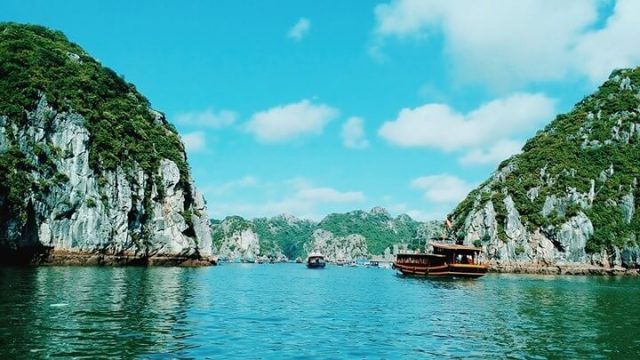
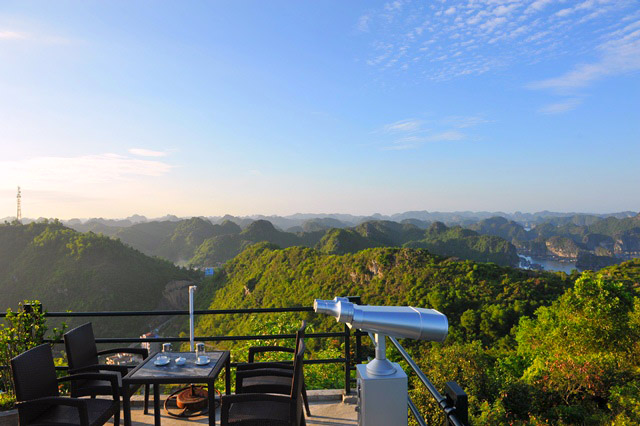
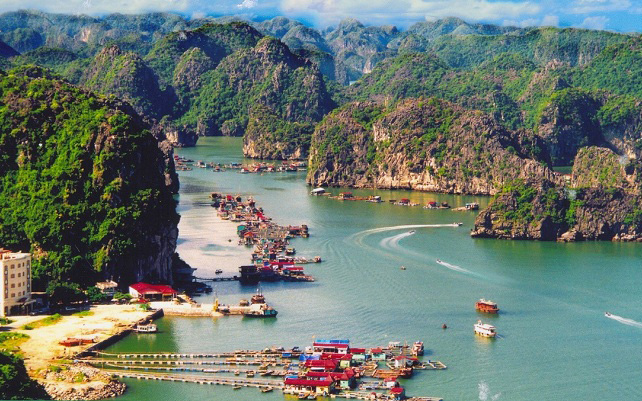
Phong cảnh hiên nhiên hùng vĩ của Cát Bà (Ảnh: ST)

The lure of rock-climbing has been bringing several local and foreign visitors to Cat Ba in recent times. It is an ideal place for those who love adventure sports to indulge in their hobby. 
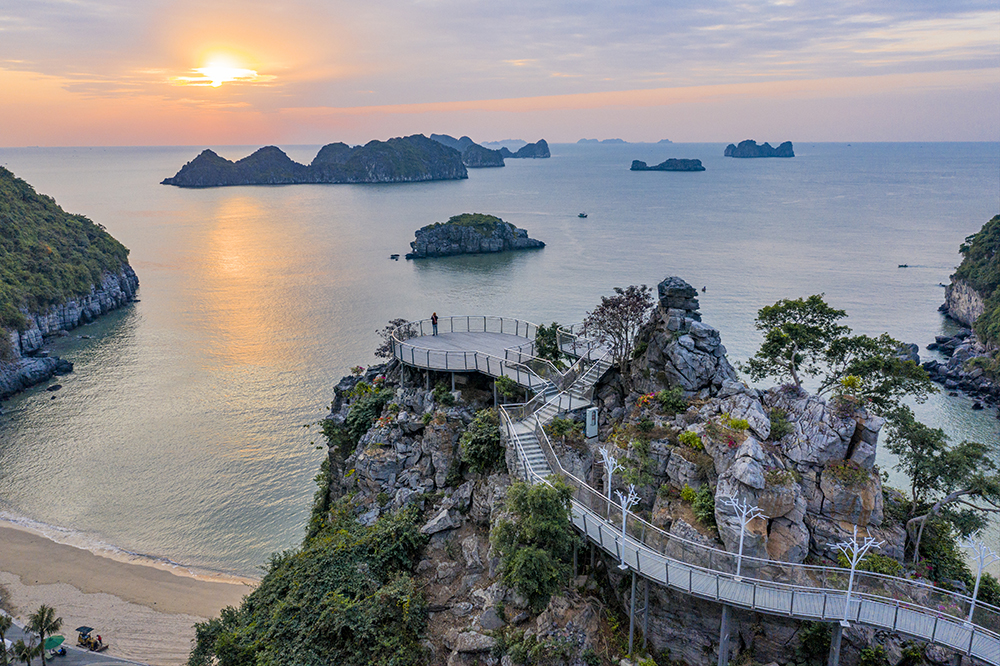
Có một Cát Bà rất khác qua ống kính S Việt Nam - Ảnh 3.
Du lịch Cát Bà
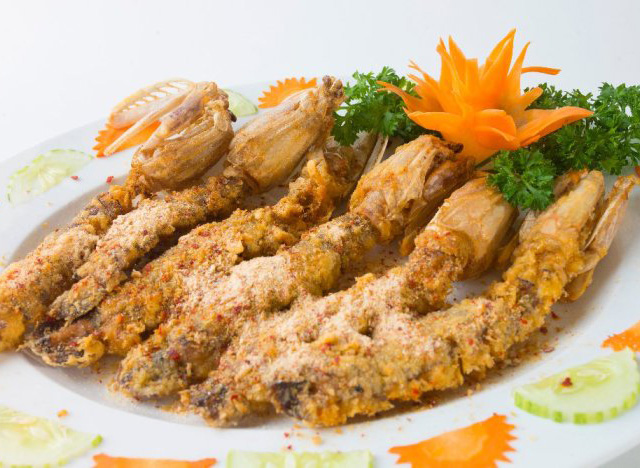
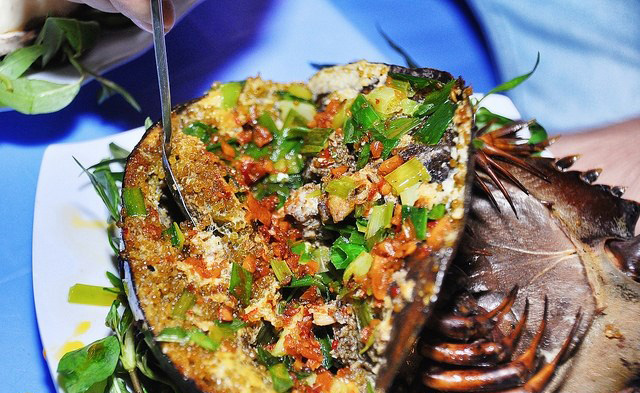
Bề bề rang muối (Ảnh: ST)
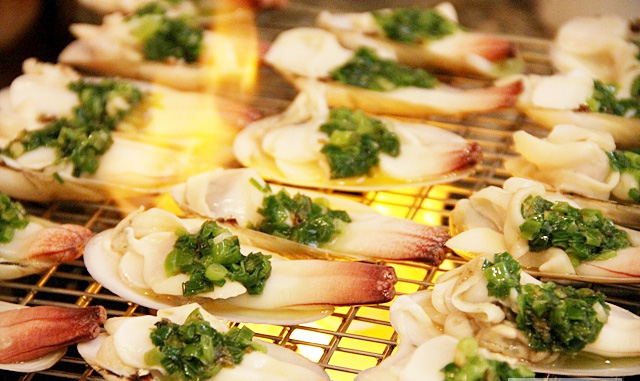
Món tu hài nướng với hương vị khó quên (Ảnh: ST)

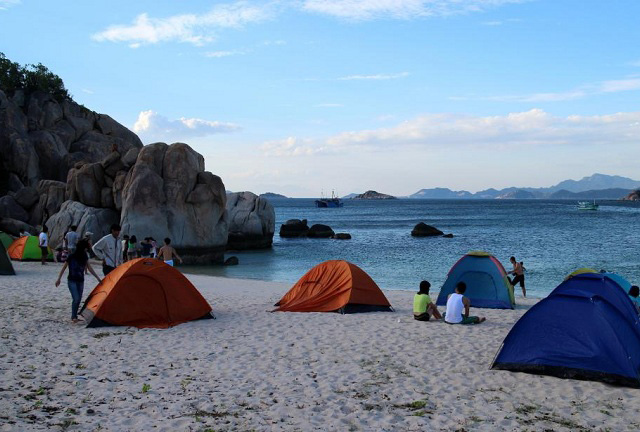
Cat Ba is an archipelago of 367 islands of various sizes. The main island, Cat Ba, is roughly 30km from the northern port city of Hai Phong. Cat Ba Island is linked to Ha Long Bay by a fascinating complex of islands and caves. 

There are many beautiful cliffs in Lan Ha Bay, Dau Be and Van Boi Island and the Fish Cave, which are tourist highlights here. They are beautiful, romantic and not so challenging for beginners. 

Beo Wharf, one of the main ports of Cat Ba Island, is the starting point of the ship that takes tourists to Lan Ha, adjacent to Cat Ba town. There are five rock-climbing routes here. The quality of the cliff is very good, but it's difficult to climb in summer when it becomes slippery. 

FIND MORE INFORMATION ON BOOKING.COM

OR

FIND MORE INFORMATION ON GOOGLE.COM


Dau Be is a small island in Ha Long Bay, about two hours by ship from Cat Ba. It has cliffs that are as steep as walls, and act as barriers to the large waves that pour into the gulf from the east. The mountains on the island are covered with greenery, create interesting scenery. Safety pitons are needed for climbing here. 

Van Boi is located on the small island of Lan Ha, with challenging climbing points. One can use climbing ropes here. 

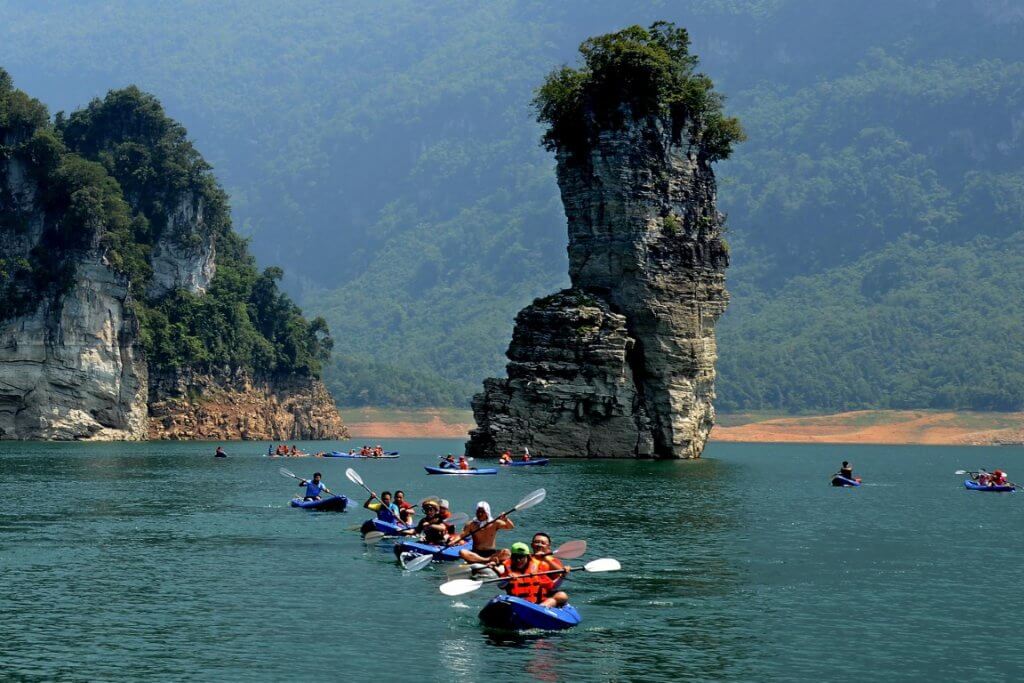
Another popular mountain climbing site is the Fish Cave, also in Lan Ha Bay. It is well known for its three hidden lagoons where people can paddle around in kayaks. Fish Cave is an ideal compromise for a mixed group of climbers and non-climbers. The latter will enjoy kayaking in the lagoons. The routes are near the entrance and the exit of the first lagoon. There are five routes that can be accessed during low tide. 
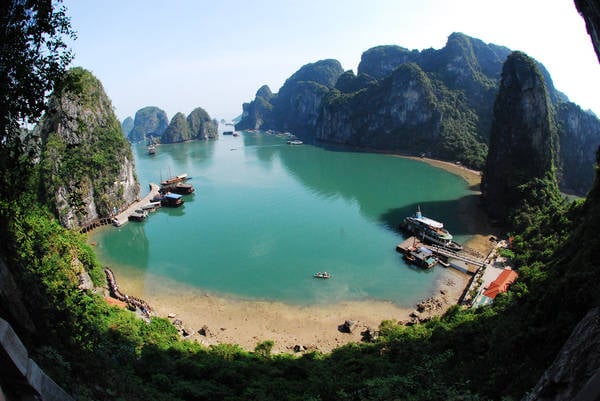
The favourite spot of climbers is possibly Tien Ong Island in Lan Ha Bay. It is a small island cave, along with rocks and large stalactites. This is an ideal spot to climb as there are low cliffs, and the climbing routes are simple and suitable for people who are afraid of adventure sports.

"I've often thought that ‘you are not special' is a terrible thing to say to someone as it trivialises the human experience. But staring up at 30m of the raw Cat Ba Island mountain that you are expected to climb is a humbling experience, one that could make the most rock-strong of our brethren feel a bit trivial or even ‘unspecial'," Matt Bender, a climber, said on wordhcmc.com. 

He said Butterfly Valley, a 20-minute motorbike ride from Cat Ba town, was the easiest place for experienced climbers (going with a trail guide) to venture out to. His favourite are the roots, rock and reggae routes, where the climber can move between the criss-crossing roots of an old tree and thick, palm-sized slabs of limestone. 

Hanoian climber Viet Anh, who took part in a tour to explore the Fish Cave, said visitors needed to learn some mountaineering skills, prepare climbing equipment and hire a guide to explore the mountains. They could face risks if they tried to explore it themselves. 

"I have trained in indoor rock-climbing for a long time, and so I feel confident and have all skills for outdoor climbing. But I and my friends still hire a tour guide to ensure safety. Adventure climbing needs a good guide. This makes your trip safer," Anh said. 

"You should test yourself and get the feeling of overcoming difficulties and steep cliffs, and then you can relax seeing the sunset. It's wonderful," he said. 

Anh said adventure climbing was very different from indoor climbing, especially in terms of psychology. If you really want to discover the mountains in Cat Ba, you should try indoor climbing first. With the skills gained from conquering artificial cliffs, you will be ready to conquer the real ones. 
The trip to conquer the cliffs in Cat Ba always creates strong feelings and helps visitors experience the challenges and improve their health. Moreover, climbing makes visitors feel the romantic and extraordinary nature of the trip. 

Some Outstanding Landscapes
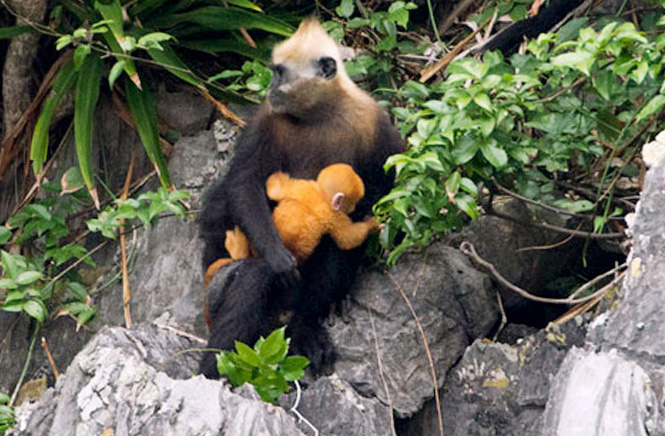
Đảo Khỉ với trải nghiệm khiến bạn bất ngờ (Ảnh: ST)
Bãi Cát Cò với làn nước trong xanh (Ảnh: ST)
Pháo đài thần công tại Cát Bà (Ảnh: ST)
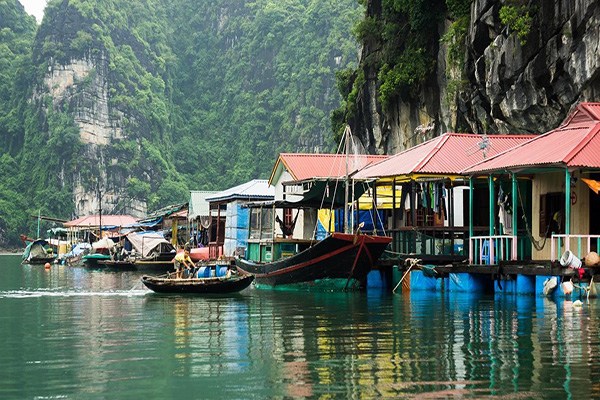
Khu làng cổ lớn nhất Việt Nam (Ảnh: ST)
Bề bề rang muối (Ảnh: ST)
Món tu hài nướng với hương vị khó quên (Ảnh: ST)
Sam trứng nướng lạ miệng và hấp dẫn (Ảnh: ST)


FIND MORE INFORMATION ON BOOKING.COM

Google Keywords: Cat Ba, a heavenly match, cliffs and rock-climbing enthusiasts ,

Search Information by Google

Na Nua Vestige Complex

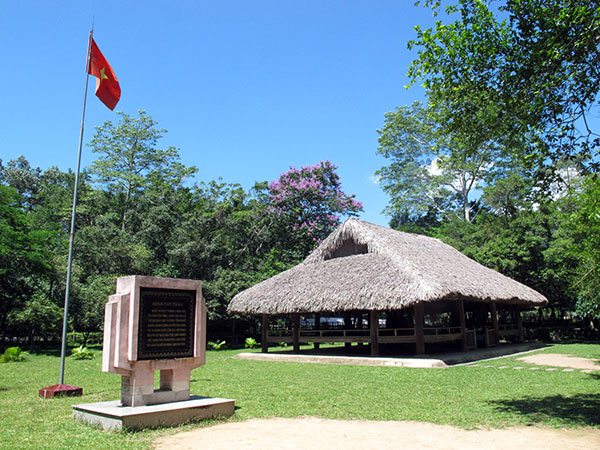
Located in the area of Tan Trao Special National Relic (Son Duong District, Tuyen Quang Province), Na Nua Vestige Complex include Na Nua Hut, Guards’ Hut, Dong Minh (Ally) Hut, Dien Dai (Radio Transmitter) Hut and meeting hut of the Party’s nationwide officials.

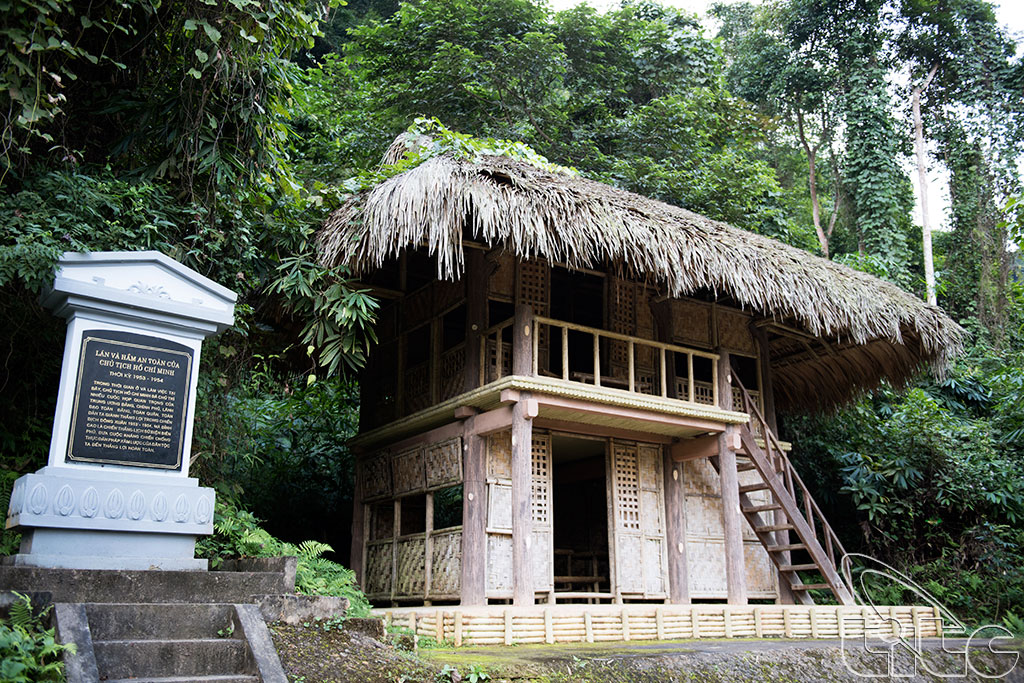
Na Nua Hut


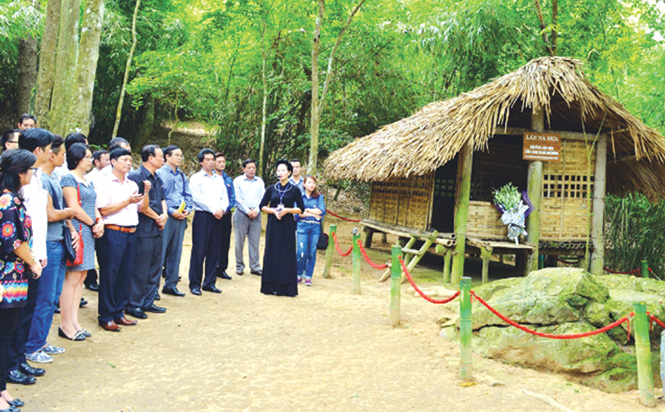
Na Nua Hut (Na Lua Hut) where President Ho Chi Minh lived and worked from late May to 22 August 1945 to prepare for the General Uprising in August 1945 is situated on the slope of Na Nua Mountain, about 500m to the east of Tan Lap Village. The hut built according to stilt-house style of mountainous people is hidden under the dense trees, adjacent to the source of water and inhabitants, far from highways, easy to attack as well as withdraw.
At Na Nua Hut, President Ho Chi Minh wrote many documents, instructions and plans for the August Revolution in 1945. On 4 June 1945, also at the hut, President Ho Chi Minh convened a meeting of the whole area officers in order to consolidate revolutionary base, establish liberated zone, unify armed forces into liberation army and prepare for conference of the Party’s nationwide officials and National People’s Congress.
On 22 August 1945, Uncle Ho leaved Na Nua Hut for Ha Noi on the roads of Deo Khe, Cu Van (Thai Nguyen Province) while a number of people staying in Tan Trao to command the resistance war, included Pham Van Dong, Le Gian, Hoang Van Thai, Tran Thi Minh Chau...

Guards’ Hut

Guards’ Hut was built about 20m to the east of Na Nua Hut to ensure security of Uncle Ho. Besides there are a range of secret guardrooms surrounding the living and working area of Uncle Ho.
The guard force was divided into some squads with the mission of controlling security, ensuring absolute safety for Uncle Ho and Central Committee of the Party, guiding for the delegates attending in the conference of the Party’s nationwide officials and the National People's Congress

Dong Minh (Ally) Hut

As agreement, on 16 July 1945, one group of Dong Minh Army (in Kunming, China) with secret name of “Deer” parachuted into Tan Trao. The guards built a small hut about 60m from Na Nua Hut for Dong Minh soldiers to live and work. Here Dong Minh Army supplied some weapons for Viet Minh Army, directly trained liberation troops to use mortar, submachine gun, grenade... Dong Minh Hut mark the cooperation between Viet Minh and Dong Minh fronts, express flexible diplomatic policy of President Ho Chi Minh.

Dien dai (Radio transmitter) Hut

Dien dai Hut was a communication place between Viet Minh and Dong Minh fronts. The presence of Dong Minh Army in Tan Trao facilitated Viet Minh Army to update important information about world situation. The hut shows ingenious foreign ability of President Ho Chi Minh, the Central Committee of the Party in taking advantage of Dong Minh Army’s support to conduct the General Uprising in August 1945.

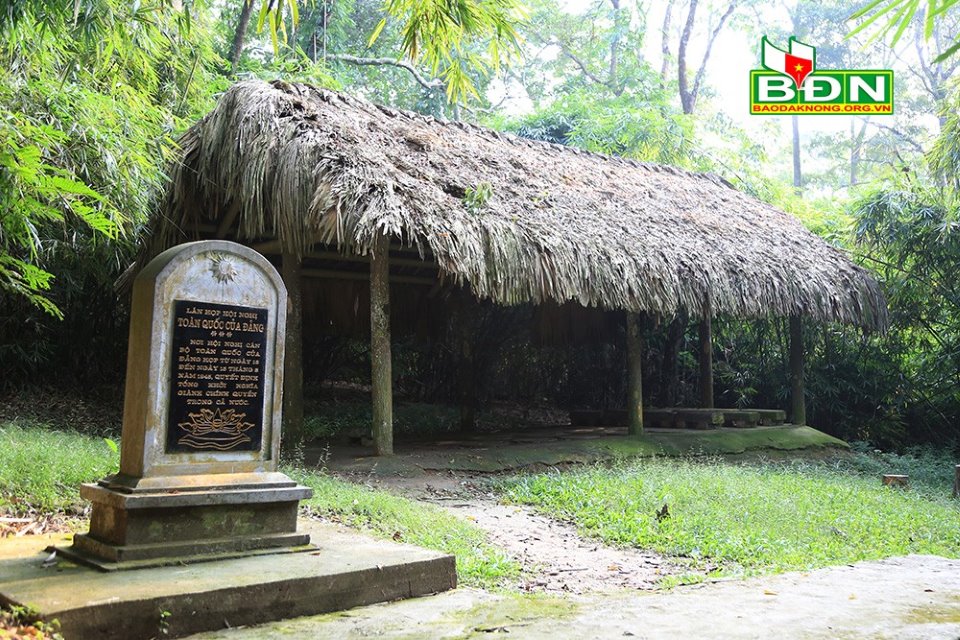
Meeting hut of the Party’s nationwide officials.

According to the instruction of President Ho Chi Minh, a conference of the Party’s nationwide officials was organized in Na Nua forest from August 13-15, 1945. At the conference, a decision of launching the whole people to uprise was given.
To ensure victory of the General Uprising, three principles defined included focus on main problems; unity of all aspects; and timely action. At the conference, Nationwide Uprising Committee was established. The committee promulgrated the Military Order No.1 which commanded the General Uprising nationwide.

Some outstanding landscapes


Google Keywords: Tuyen Quang, Tan Trao, Na Nua Hut, Na Lua Hut, President Ho Chi Minh, General Uprisin,

Search Information by Google
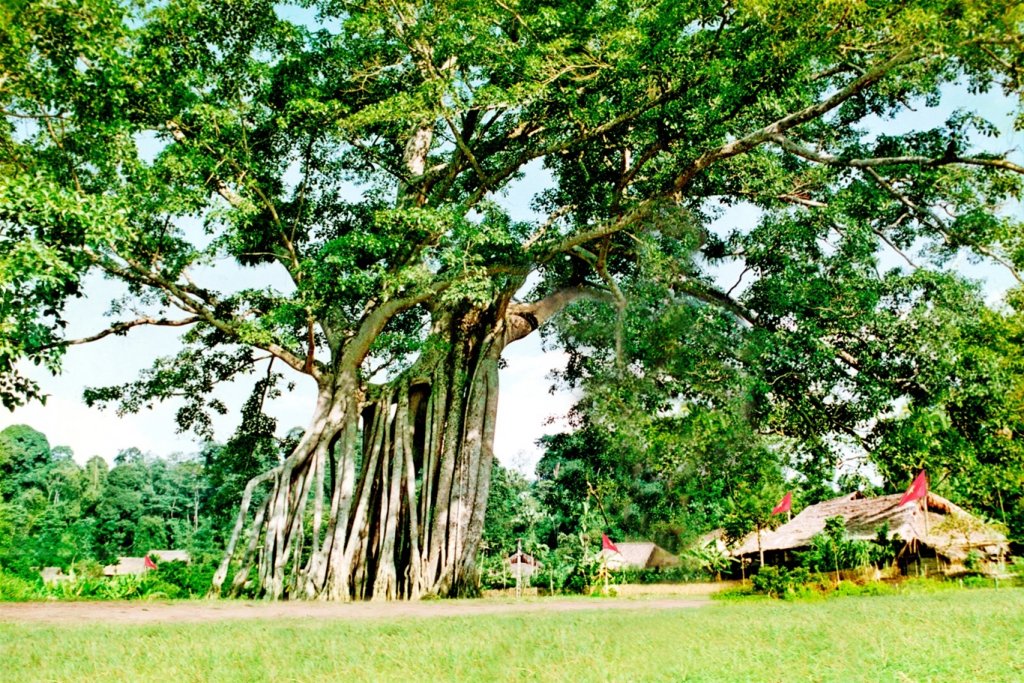
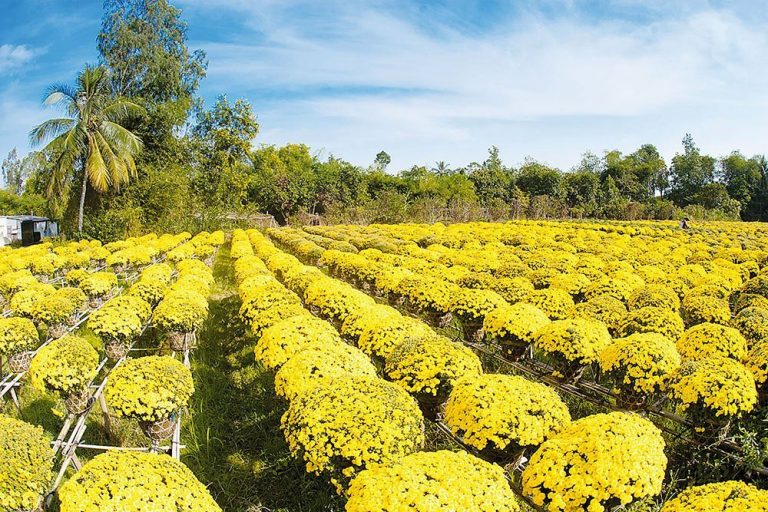
Tour of flower fields launched in Dong Thap


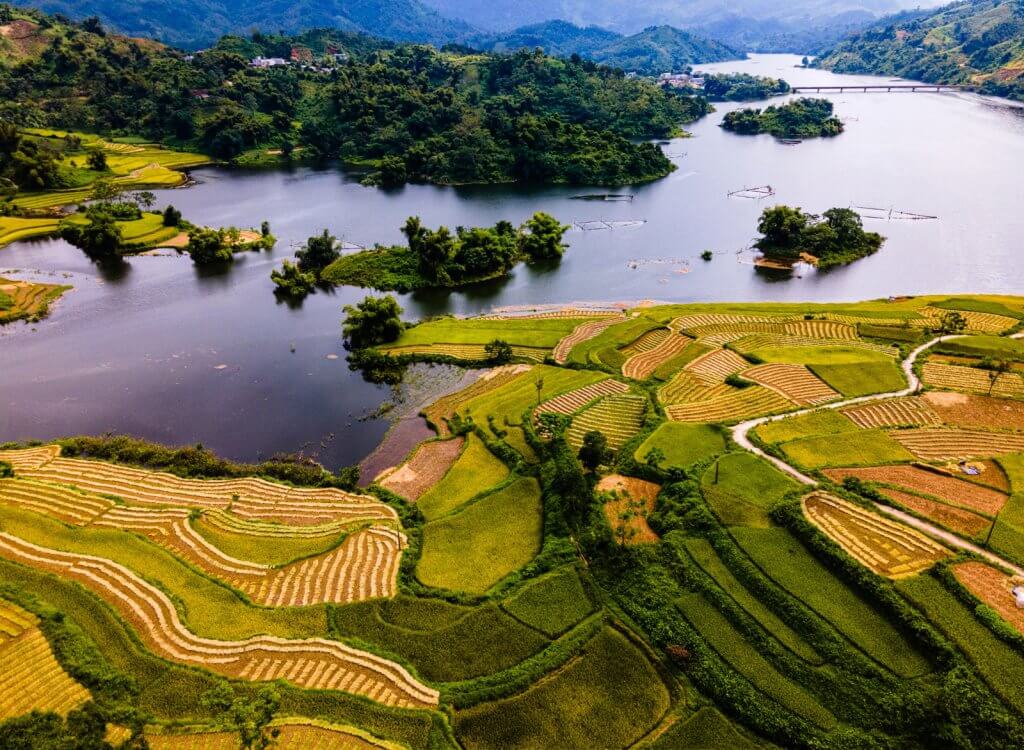
A tour of yellow-eyed grass fields, a natural attraction in Dong Thap Muoi (plain of reeds) during the flood season, has been launched to attract more visitors during spring.

Le Hoang Long, General Director of the Tourism and Environmental Education Centre in Tram Chim National Park, said the centre would run the tour till the end of February. The tour leaves at 8am, 9am and 10am every weekday.

Yellow-eyed grass, also known as golden blue-eyed grass or golden-eyed-grass, grows naturally over 10ha in Tram Chim National Park.

Its bright yellow flowers blossom only during sunny weather from 8am to 12am, and then their petals close for the day. Though they have no scent, the flowers still attract many insects from the forest when they bloom. Yellow-eyed grasses grow naturally after the water level goes down.

Some outstanding landscapes


Search Information by Google
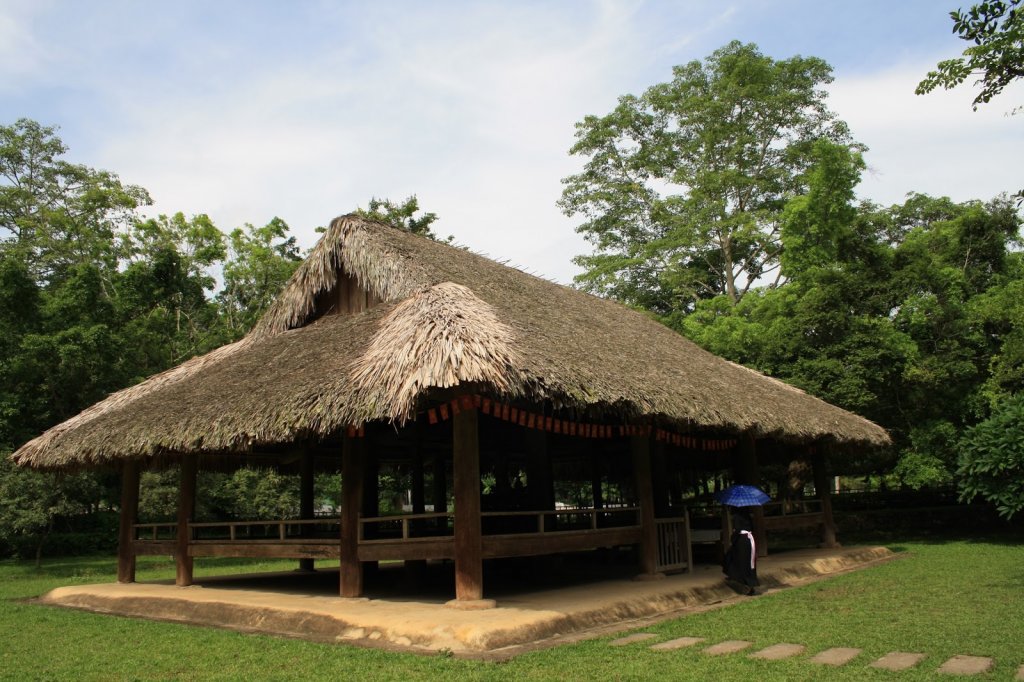
Fireworks to be set off at Tran Temple festival

Low-range fireworks will be set off at the opening ceremony of the Tran Temple Festival in Tien Duc commune, Hung Ha District, Thai Binh Province on February 20.

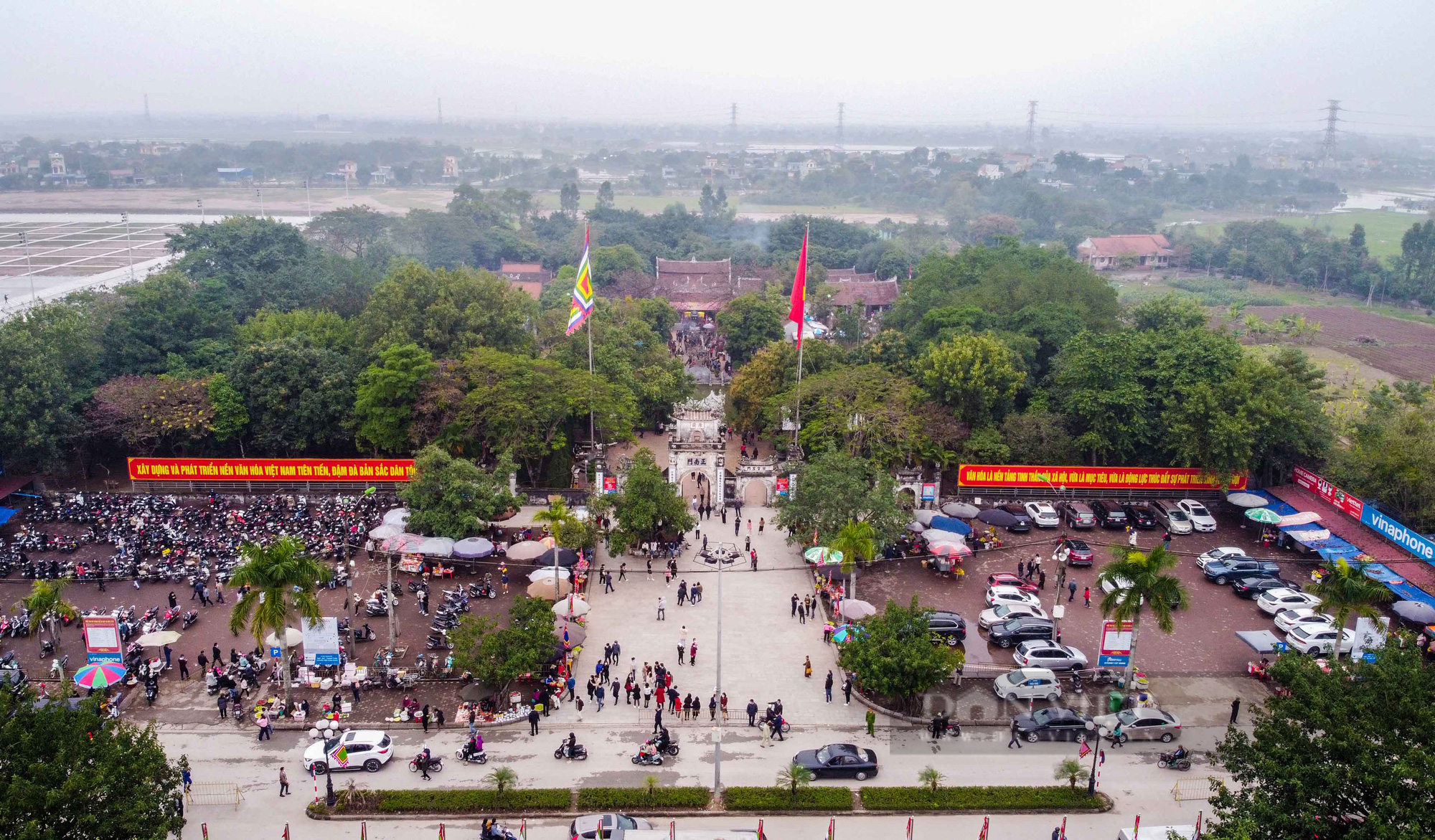
Hàng nghìn du khách thập phương tấp nập đến đền Trần du xuân đầu năm mới - Ảnh 1.
A procession at the 2014 Tran Temple festival

The opening ceremony will feature incense offering at the Tran Kings’ tombs, the gate opening rituals at Den Thanh (Thanh Temple), Den Mau (Mother Temple) and the Tran Kings’ shrines, and a palanquin procession.

A 60-minute performance recounting an epic titled ‘Forever Shining Dynasty’ will also be staged at the opening.
Visitors to the five-day event can learn more about local traditional practices, such as a fish cooking contest, a rice cooking challenge, and clay firecrackers.

The festival is held annually from the thirteenth to the eighteenth days of the first lunar month at the national historical complex of the Tran Kings’ shrines and tombs to pay tribute to the Tran Dynasty (1225-1440) in the country’s history of construction and defence, promoting national traditions, patriotism and revolution among people.

The festival was recognised as a national intangible heritage in 2014 by the Ministry of Culture, Sports and Tourism. The historical complex of the Tran Kings’ shrines and tombs was acknowledged as a special national cultural relic, according to a decision signed by the Prime Minister last year.

Search Information by Google
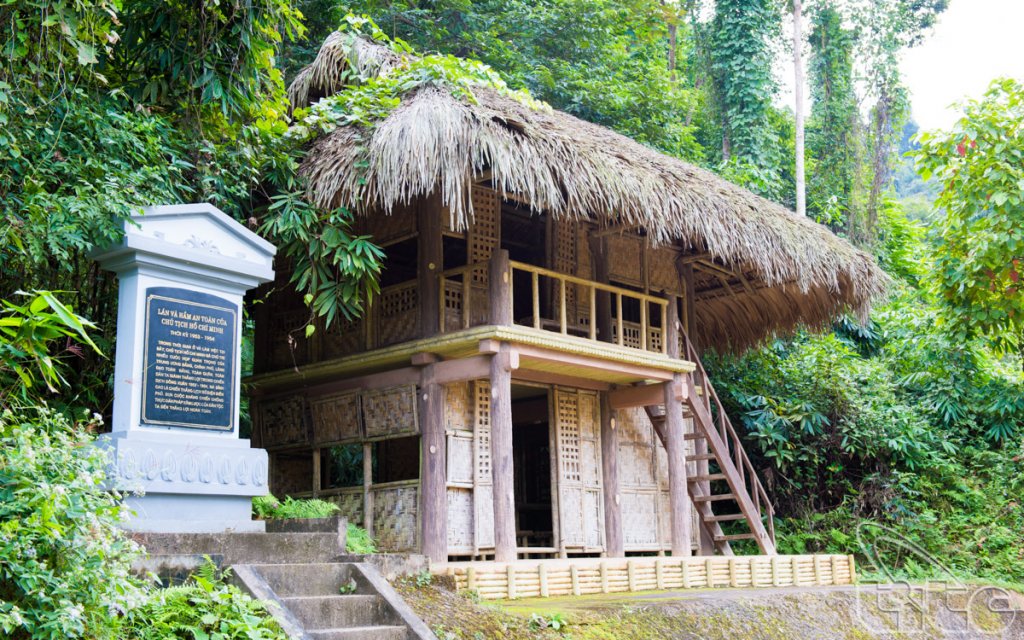
Phu Quoc set to become special economic zone

Phu Quoc island district in the Mekong Delta province of Kien Giang is set to become a special economic zone and the locality’s growth driver between 2016-2020.


An aerial view of Phu Quoc island district
The province also aims to turn Phu Quoc into a large tourism and service centre, focusing on entertainment and leisure, financial services and its maritime economy.

Kien Giang will continue to adjust policies to attract major investors, said Pham Vu Hong, chairman of the provincial People’s Committee.

Efforts will be centred on developing comprehensive infrastructure, facilitating the operation of investors, strengthening local authorities at district and communal levels and increasing the capacity of the management board of the Phu Quoc Economic Zone.

In the short term, Phu Quoc’s tourism sector is expected to play as the spearhead, Hong noted.

To meet this goal, the province will work to diversify tourism products, combine tourism with the protection of historical and cultural relic sites, the environment and special ecological systems.


At the same time, Kien Giang will focus more on communication efforts and professional tourism promotions to lure investors and visitors, while removing difficulties facing travel companies.
Phu Quoc has been given a facelift, Hong said, citing the completion of various transport, aviation and power facilities and the implementation of tourism and service projects.
Expanded aviation services have facilitated the arrival of people from all walks of life and investors, he added.

According to Doan Van Tien, vice chairman of the Phu Quoc People’s Committee, the district posted economic growth of 32.36 percent in 2015.

Last year, Phu Quoc’s GDP per capita hit 5,469 USD, representing a three-fold increase against 2010.

The island district welcomed more than 873,600 visitors, of whom over 151,700 were foreigners. It earned over 3.1 trillion VND (139.5 million USD) from the tourism sector, up 6.8 fold compared to 2010.

Tien said the poverty rate has also dropped to 1.2 percent.

By mid-January 2016, 230 projects had registered to invest in Phu Quoc. Of them, 164 have received investment licences with a total capital of over 183 trillion VND (8.2 billion USD), focusing on infrastructure, urban area development, the maritime economy, tourism, trade and services.

A number of the projects have been put into service such as Phu Quoc International Airport, An Thoi International Seaport, the 110 kV Ha Tien-Phu Quoc undersea cable system and the Vinpearl Phu Quoc resort complex, among others, the official said.

Google:
Phu Quoc, Kien Giang, special economic zone,

Monday, January 25, 2016

Noi Bai International Airport (Hanoi) - Travel And Local Information Guide

Arrivals

Upon disembarking from your plane you walk down a short corridor to the Immigration area. If you need to pick up your Visa on Arrival head to the VOA desk, fill in the form and hand them your passport. You shouldn’t have to wait more than 15 minutes to get your passport back with the visa stamped inside however it may be a little chaotic if there are a lot of people. Through immigration, the baggage claim is just a few metres away. Here there is a duty-free shop should you wish to pick up some items.
Customs clearance is just on your right. It is important to note that after you collect your baggage you will need to present the remaining portion of your baggage stub, which is attached to your airline ticket, to the attendant to prove you have your correct luggage.
After passing the customs clearance there will be ATMs and a currency exchange booth on the right-hand side just out of the passenger zone. It is a good idea to get some local currency at this point in order to pay for your transportation.

Departures

When you arrive at Noi Bai International Airport you enter through the first floor domestic terminal. Here your luggage will be screened before you head to the international check in counters. After checking in, go through to the Immigration area on the left. After passport control there is one more security check point before you enter the Departures Lounge.

Transport Options

Noi Bai International Airport is located approximately 45km north of Hanoi. The journey takes around 40 minutes and there are a few ways to reach the city.
The Hanoi city bus services 07 and 17 depart from the bus stop located just outside the arrivals terminal from 5am to 10pm. The trip costs 5,000 VND and will take about an hour. If you have oversized luggage you may not be permitted on the bus. The number 07 bus takes you to Kim Ma bus station and the number 17 goes to the Long Bien bus station.
Airport taxis charge a fixed price of 250,000 VND to travel in to the city this is including toll fees. The taxi ride takes about 40 minutes and it is advised that you always use an official taxi i.e. one with their photo, name and license number clearly displayed. Taxis are located right in front of the Arrivals exit gate.
The airport minibuses cost 30,000 VND and leave from right outside the Arrivals exit gate however you may have to wait until the bus is full before it departs.
Travellers flying with Vietnam Airlines have the option of using the free shuttle bus service which connects passengers with downtown Hanoi.

Eating & Drinking

There are cafeterias located on all floors of the terminal building both street side and airside. As with most airports these eateries can be a little expensive and the meals are rather basic. If you are in need of some hearty food you had better eat before you leave Hanoi however if you would like a light meal, cold beer or hot cup of coffee you will find the airport cafes and restaurants quite adequate.

Entertainment/Activities/Facilities

The cafeterias on the second and forth floors have Internet access and wireless internet access is available throughout the departures lounge. Apart from this and the usual bank of TVs showing international news and local television programmes there is little in the way of entertainment at Noi Bai International Airport.
The departures area has a First Aid centre and pharmacy on the first floor located close to an Information and Help Desk. The first floor also houses an ATM, currency exchange and bank.

Shopping and Duty Free

There are quite a few souvenir shops, duty free shops and smaller ‘department’ stores within the airport. Prices can be a little steep and you need to be wary about exchange rates as often prices are quoted in VND but charged in US dollars. There is a good selection of regular duty free items including alcohol, perfumes and cosmetics, chocolates and some electronic goods.