Most destinations impress you.
A few change you.
Greenland does something rarer.
It makes you feel small in the best possible way.
Imagine standing alone on a rocky coastline at midnight. The sun still hangs above the horizon. An iceberg the size of a skyscraper drifts silently through a fjord. There is no traffic. No crowds. No billboards competing for your attention.
Only wind, ice, water, and a sense that you have arrived at the edge of the known world.
For decades, Greenland remained a destination reserved for polar explorers, scientists, and the most adventurous travelers. Today, it is rapidly becoming one of the most sought-after places on Earth among travelers searching for authenticity, untouched nature, and experiences that cannot be replicated anywhere else.
In a world where many destinations feel increasingly crowded and commercialized, Greenland offers something that has become surprisingly rare:
Genuine discovery.
A Place That Feels Larger Than Imagination
Looking at Greenland on a map does not prepare you for the reality.
The world's largest island stretches across an immense landscape dominated by glaciers, mountains, fjords, and Arctic wilderness.
More than eighty percent of the country is covered by ice.
Entire regions remain accessible only by boat, helicopter, dog sled, or small aircraft.
Yet despite its vast size, Greenland feels deeply personal.
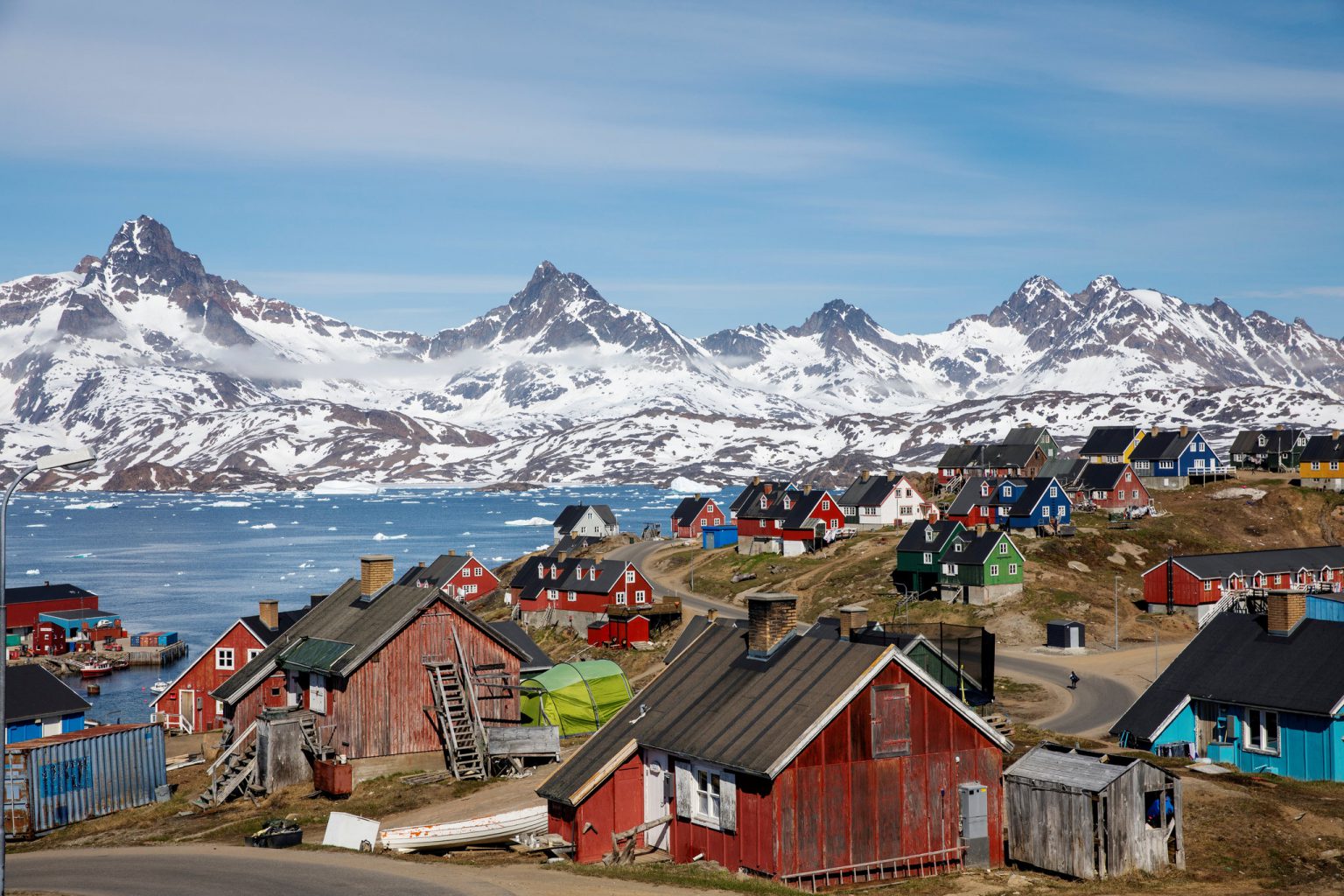
Small settlements cling to dramatic coastlines. Colorful wooden houses stand against snowy peaks. Fishing boats return each morning with fresh catches from icy waters.
Here, nature is not scenery.
Nature is life itself.
And visitors quickly discover that every day in Greenland feels different from the last.
The Sound of an Iceberg Breaking
There is a sound many travelers remember long after they leave Greenland.
It begins with a deep crack.
Then another.
Moments later, a section of an iceberg collapses into the sea.
The thunder echoes across the fjord.
Locals call this phenomenon "calving," but witnessing it in person feels almost prehistoric.
One of the most spectacular places to experience this is Ilulissat Icefjord.
Massive icebergs drift through the bay in endless procession, creating one of the most dramatic landscapes on the planet.
At sunset, the ice glows gold, pink, and blue.
Photographs capture the beauty.
They cannot capture the silence.
Or the feeling that you are watching the Earth itself being sculpted before your eyes.
Where Summer Refuses to End
Many people associate Greenland with darkness and endless winter.
The reality is far more fascinating.
During summer, much of Greenland experiences the Midnight Sun.
The sun simply refuses to set.
At midnight, mountains glow orange.
Fjords shimmer beneath golden light.
Hikers continue exploring long after traditional evening hours.
Children play outdoors while the clock insists it is nighttime.
The effect is strangely liberating.
Without darkness, time feels different.
Meals happen later.
Conversations last longer.
Adventures stretch into what would normally be the middle of the night.
Visitors often describe losing track of time entirely.
And somehow, that becomes part of the magic.
The Hidden Villages Few Travelers Ever Reach
The true soul of Greenland is often found far from its most famous attractions.
In remote settlements scattered along the coastline, life moves according to rhythms that have remained largely unchanged for generations.
Places like Uummannaq and Ittoqqortoormiit feel like living museums of Arctic culture.
Dogs sleep beside fishing boats.
Families gather to share stories passed down through centuries.
Hunters still possess knowledge of the sea ice that cannot be learned from books.
Travelers who venture into these communities often discover the most memorable moments of their journey.
Not because of what they see.
But because of who they meet.
Greenlanders are often remarkably resilient, practical, and welcoming.
Life in the Arctic demands cooperation, and that spirit remains deeply woven into local culture.
The Arctic Cuisine You Never Expected
Greenland's culinary scene surprises almost everyone.
The harsh environment has inspired a cuisine built around freshness, sustainability, and deep respect for nature.
Arctic char is among the country's most celebrated delicacies.
Freshly caught and prepared simply, its flavor reflects the purity of Greenland's waters.
Snow crab, musk ox, reindeer, and Greenlandic shrimp appear on menus throughout the country.
In summer, wild berries blanket parts of the landscape, adding bursts of color and sweetness to Arctic dishes.
Many restaurants blend traditional Inuit ingredients with contemporary Nordic techniques, creating dining experiences unlike anywhere else.
Meals here are more than food.
They are stories of survival, adaptation, and connection to the land.
Chasing the Northern Lights
While summer belongs to the Midnight Sun, winter unveils an entirely different spectacle.
As darkness returns, the Arctic sky comes alive.
Green curtains of light ripple across the heavens.
Purple waves dance above frozen landscapes.
Stars shine with astonishing clarity.
The Northern Lights are visible in many parts of Greenland, often without the crowds found in more famous viewing destinations.
Some travelers spend hours standing silently in the snow, watching the sky perform a show that feels almost supernatural.
No photograph fully prepares you for the experience.
And no two displays are ever exactly the same.
Adventures Found Nowhere Else
Greenland is not a destination for passive tourism.
It invites participation.
You can kayak between icebergs in waters once explored by Inuit hunters.
You can hike remote mountain trails where reindeer roam freely.
You can join a whale-watching excursion and encounter humpbacks emerging beside your boat.
In winter, dog sledding remains one of the most authentic experiences available anywhere in the Arctic.
The bond between mushers and their dogs reflects traditions stretching back centuries.
The silence of a dog sled journey is unforgettable.
No engines.
No distractions.
Only the sound of runners gliding across snow.
What Travelers Need to Know
The best time to visit depends entirely on the experience you seek.
Summer, from June through August, offers milder temperatures, hiking opportunities, whale watching, and the Midnight Sun.
Autumn introduces vibrant colors and early Northern Lights displays.
Winter brings dog sledding, snow-covered landscapes, and peak aurora season.
Spring combines snowy scenery with increasing daylight and excellent outdoor conditions.
Travel costs are generally higher than many mainstream destinations due to Greenland's remote location. However, many travelers consider the experience exceptional value given its uniqueness.
Most visitors arrive via Iceland or Denmark before connecting to Greenland's growing network of regional airports.
The Story You Will Tell for the Rest of Your Life
Years after visiting Greenland, travelers rarely begin their stories with statistics.
They talk about moments.
The iceberg that drifted silently past their hotel window.
The local fisherman who shared stories over coffee.
The whale that surfaced unexpectedly beside their boat.
The midnight hike beneath a sun that refused to disappear.
The Northern Lights that seemed to transform the entire sky into living art.
Greenland does not compete with Paris, Tokyo, Bali, or New York.
It offers something entirely different.
It reminds you that there are still places on Earth capable of making you feel like an explorer.
And in an age where almost everything has been photographed, reviewed, ranked, and shared online, that feeling may be the most valuable travel experience of all.
You don't leave Greenland with a checklist completed.
You leave with a renewed sense of wonder.
And once you've experienced that, ordinary destinations become much harder to satisfy.


0 nhận xét:
Post a Comment